
Flowers
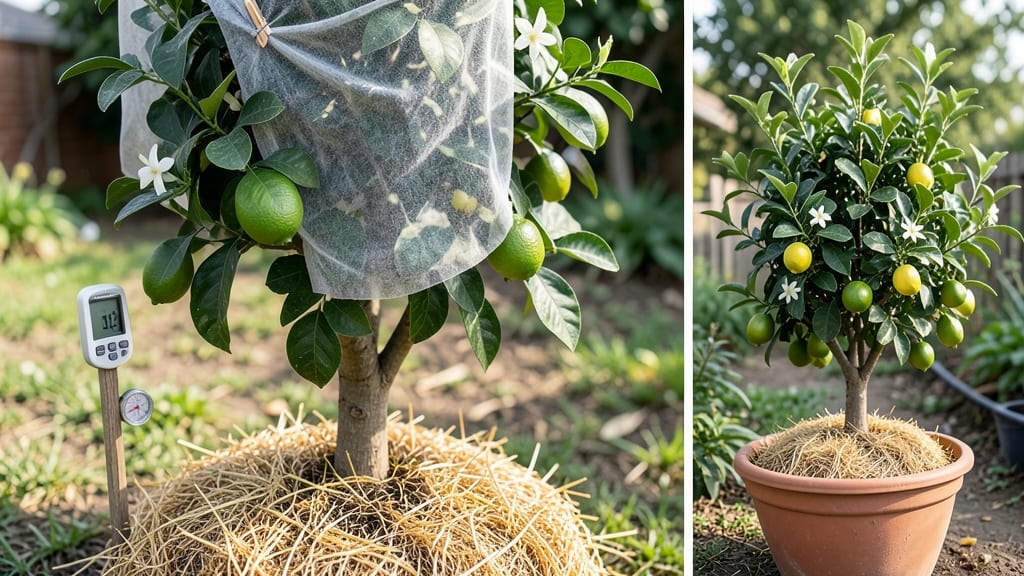
Your lemon tree can handle low temperatures with the right variety and care—some even survive brief freezes down to 15°F.
Cold winters don’t have to mean the end of your 🍋 dreams—some citrus varieties thrive in chilly climates with the right care, even surviving light freezes. Whether you’re in Zone 6 or pushing the limits of Zone 8, the key is choosing the right type and preparing for frost.
In this guide, I’ll walk you through the top cold-hardy lemon varieties that won’t wilt in winter, plus step-by-step protection methods like mulching, covering, and indoor relocation. You’ll also learn how to spot frost damage early and recover your tree before it’s too late.
By the end, you’ll know exactly how to keep your lemon tree healthy through winter—no matter where you live.
Top 5 cold-hardy lemon tree varieties for freeze-prone climates
If you love lemons but live in a freeze-prone climate, don’t give up hope! Some citrus varieties are bred to withstand temperatures as low as 15°F (-9°C), making them perfect for gardeners in USDA Zones 6-8.
These cold-hardy lemons may not thrive like tropical cousins, but with the right care, they’ll reward you with juicy fruit and fragrant blooms.
When selecting a lemon tree for cold climates, prioritize varieties with thick bark, smaller leaves, and dwarf growth habits. These traits help them retain heat and recover faster after frost.
Below, I’ve rounded up the top 5 cold-hardy lemon trees that consistently deliver fruit in chilly regions, along with their unique strengths and care requirements.
Why cold-hardy lemons? Unlike traditional lemons, these varieties enter dormancy in winter, shedding leaves to conserve energy. They’ll regrow foliage in spring, often producing fruit by late summer or fall. Some even bear fruit in their first year with proper care!
Comparison-table below breaks down each variety’s cold tolerance, fruit yield, and ideal growing zones so you can choose the best fit for your garden.
| Variety | Cold Hardiness (Low Temp) | Fruit Yield | Mature Size | Best For | Key Feature |
|---|---|---|---|---|---|
| Meyer Lemon | 15°F (-9°C) | Moderate (50-100 lemons/year) | 6-10 ft (dwarf) | Containers, small gardens | Sweet-tart fruit, early bloomer |
| Ponderosa Lemon | 20°F (-6°C) | High (100+ lemons/year) | 12-15 ft (semi-dwarf) | Large gardens, outdoor planting | Giant fruit (3x standard size) |
| Improved Meyer Lemon | 15°F (-9°C) | Moderate-High (80-150 lemons/year) | 8-12 ft (dwarf) | Cold snaps, urban patios | Disease-resistant, reliable |
| Eureka Lemon | 25°F (-4°C) | Very High (150+ lemons/year) | 10-15 ft (standard) | Commercial growers, warm microclimates | Classic lemon flavor, year-round harvest |
| Lisbon Lemon | 20°F (-6°C) | High (100-120 lemons/year) | 10-12 ft (semi-dwarf) | Greenhouse growing, frost pockets | Thick skin, long shelf life |
The Meyer Lemon and Improved Meyer Lemon top the list for Zone 6 gardeners due to their exceptional cold tolerance. Both handle 15°F (-9°C) temperatures, making them ideal for container growing or protected outdoor beds. Their sweet-tart flavor also makes them perfect for baking and cocktails!
For those in Zones 7-8, the Ponderosa Lemon is a showstopper. Its giant fruit (up to 3 inches wide!) and high yield make it a favorite for landscaping and fruit production. Just be prepared to prune aggressively to manage its size.
If you’re aiming for a commercial harvest, the Eureka Lemon delivers year-round fruit in milder climates. While it’s less cold-hardy (25°F/-4°C), its consistent production and classic lemon taste justify the extra winter protection.
All these varieties benefit from winter mulching (4-6 inches of straw or wood chips) and windbreaks. For extreme cold, move potted trees to a garage or insulated shed before temperatures drop below 20°F (-6°C).
Pro tip: Plant in full sun and avoid overwatering in winter. Lemon trees in cold climates are more susceptible to root rot when soil stays soggy. Use drip irrigation or soaker hoses to keep roots moist but not waterlogged.
Ready to grow your own cold-hardy lemons? Start with Meyer or Improved Meyer for foolproof results, or go bold with Ponderosa for a statement tree. With the right variety and winter care, you’ll be harvesting homegrown lemons in no time!
How to protect lemon trees from frost: step-by-step winter care guide
Frost can devastate your lemon tree, but with the right preparation, you can shield it from winter’s worst. Even in Zone 6 or colder, citrus trees can survive light freezes with proactive care. The key is creating a protective barrier around the roots and insulating vulnerable parts.
Start by understanding your tree’s cold tolerance limits—most lemons die below 20°F (-6°C), but some hardy varieties handle 15°F (-9°C) with protection.
Your first defense is mulching. A thick layer of organic mulch—like straw or wood chips—insulates roots from freezing temperatures. Pair this with container insulation if your tree is potted, and you’ll give it a fighting chance against frost.
For extreme cold snaps, emergency frost blankets can save the day by trapping warmth around the tree’s canopy.
🌱 Step-by-Step Frost Protection for Lemon Trees
-
Step 1: Mulch the Base
Apply a 4–6 inch layer of straw or wood chips around the tree’s drip line. Avoid piling mulch against the trunk to prevent rot. -
Step 2: Wrap the Trunk
Use burlap or tree wrap to shield the trunk from wind and cracking. Secure it tightly but loosely enough to allow airflow. -
Step 3: Insulate Containers
Move potted trees to a garage or insulated box filled with straw. Cover with a frost blanket secured with clips. -
Step 4: Create a Microclimate
Group trees together and surround them with evergreen shrubs or windbreaks to trap heat and reduce cold air exposure. -
Step 5: Emergency Frost Blanket
Drape a frost blanket over the tree when temps drop below 30°F (-1°C). Secure edges with bricks or stakes to prevent wind damage. -
Step 6: Water Before Freeze
Deep-water the tree 24 hours before frost to hydrate roots. Avoid wet foliage, which can freeze and damage leaves.
Don’t forget to monitor weather forecasts and act quickly when frost is predicted. A frost blanket can raise temperatures by 5–10°F, making all the difference. For container-grown trees, move them indoors if possible—even a cool garage can provide temporary refuge.
Once spring arrives, remove protective layers gradually to avoid shocking the tree.
With these steps, your lemon tree can brave winter and reward you with juicy fruit next season. Start prepping in late fall before the first frost hits, and your tree will thank you with vibrant growth and sweet lemons. 🍋