
Trees
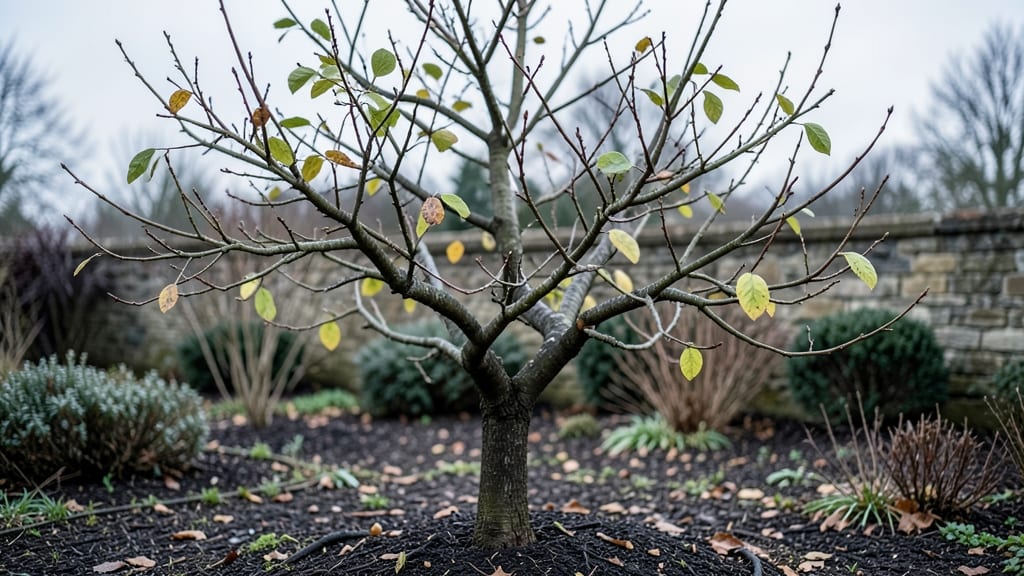
Your lemon tree losing leaves in winter isn’t always a disaster—it’s often just dormancy in action. 🌿 I’ve watched my Meyer lemon tree shed nearly half its leaves every December, only to burst back into growth by spring.
The key is telling normal shedding from stress caused by cold, overwatering, or pests.
Start by checking leaf color and timing: healthy dormancy means gradual, yellowing leaf drop, while stress causes sudden browning or black spots. Adjust watering (lemon trees hate soggy roots in winter), move potted trees indoors if temps dip below 25°F, and prune dead branches to encourage fresh growth.
With these 3 tweaks, your tree will bounce back stronger than ever.
📚 In This Guide
- What you need
- Instructions
- Tips and common mistakes
- Wrapping up and next steps
What you need
- ● Pruning shears – Clean, sharp shears (sterilize with rubbing alcohol to prevent disease spread).
- ● Gloves – Durable gardening gloves (to protect against thorns and sap).
- ● Watering can or hose – With a gentle spray nozzle (for hydration checks).
- ● pH testing kit – Digital or liquid test kit (to check soil acidity).
- ● Organic mulch – 2–3 inches of shredded bark or straw (for insulation).
- ● Fertilizer – Balanced citrus fertilizer (e.g., 6-6-6 NPK ratio) or compost (for nutrient boost).
- ● Spray bottle – With water and mild dish soap (1 tsp soap per gallon) (for pest inspection).
- ○ Thermometer (optional but helpful) – Outdoor or soil probe (to monitor temperature extremes).
- ● Root stimulator – Like mycorrhizal fungi or seaweed extract (to encourage root health).
- ● Anti-desiccant spray – Wax-based coating (to reduce moisture loss in cold snaps).
- ● Grow lights or frost cloth – For indoor lemon trees (if temps drop below 40°F/4°C).
- ● Journal or camera – To track progress (note leaf drop patterns and responses).
How to revive a lemon tree losing leaves in winter
Winter stress causes lemon trees to drop leaves—but these three practical steps bring them back strong.
🌿 Step 1: Adjust Watering to Prevent Root Stress
Lemon trees need less water in winter because their growth slows dramatically. Overwatering during dormancy suffocates roots and triggers leaf drop. Water only when the top 2-3 inches of soil feel completely dry—stick your finger in to check. If the soil is still damp, wait another week.
I use a moisture meter for accuracy, but if you don’t have one, lift the pot slightly—if it feels heavy, it’s too wet. Reduce watering by 50% compared to summer, and always use room-temperature water to avoid shocking the roots. Dormant trees can’t process cold water efficiently.
☀️ Step 2: Provide Bright, Indirect Light to Maintain Health
Lemon trees need 6+ hours of bright, indirect light daily even in winter. Move your tree within 3 feet of a south-facing window or supplement with a grow light on a 12-hour timer. Without enough light, leaves yellow and drop as the tree conserves energy.
Watch for these signs: if new growth appears pale or leggy, your light is insufficient. Rotate the pot a quarter turn weekly so the tree grows evenly. Avoid cold drafts from windows or doors—temperatures below 50°F accelerate leaf loss.
🪴 Step 3: Check for Pests and Adjust Humidity
Winter indoor air is often too dry, which stresses lemon trees. Increase humidity by placing the pot on a pebble tray filled with water or using a small humidifier nearby. Aim for 40-50% humidity—if leaves feel crispy to touch, it’s too dry.
Inspect the tree for pests like spider mites or scale, which thrive in dry conditions. Wipe leaves gently with a damp cloth to remove dust, which blocks sunlight. If you spot pests, treat with neem oil spray (1 tsp per quart of water) and repeat weekly for 2-3 weeks.
⏰ Step 4: Fertilize Lightly to Support Recovery
Hold off on fertilizer until late winter when you see new growth budding. Use a balanced citrus fertilizer (6-6-6) at half strength—over-fertilizing in winter burns roots. Mix the fertilizer with water and apply only when you water the tree.
Look for tiny green buds at leaf nodes as your signal to fertilize. These buds indicate the tree is breaking dormancy and ready for gentle nutrient support. Avoid high-nitrogen fertilizers—they encourage leafy growth but weaken the tree’s resilience.
Tips & tricks for reviving your lemon tree in winter
Here's what I've learned after helping lemon trees bounce back from winter stress—these small adjustments make all the difference.
Soil Test Tip: The finger test in Step 1 works, but I've found that checking soil moisture in the morning (before watering) gives the most accurate reading. Lemon trees in dormancy can't process excess water, so if you're unsure, wait one more day—better safe than sorry. The top 2-3 inches should feel completely dry before watering again.
Light Positioning: For Step 2, if you don't have a south-facing window, try placing your lemon tree near an east-facing window first thing in the morning. Morning light is gentler and provides that crucial 6+ hours of brightness. I've seen trees recover faster with this morning exposure because it mimics natural sunlight patterns.
Pest Prevention: In Step 3, I've found that adding a few drops of neem oil to your weekly leaf wipe (even when no pests are visible) acts as a preventative measure. The oil creates a protective barrier that pests dislike. Just mix 2-3 drops with your damp cloth—it's a simple way to keep your tree healthy during dry winter air.
Fertilizer Timing: For Step 4, I recommend waiting until you see those tiny green buds appear at the leaf nodes before fertilizing. This usually happens around late February in most climates. The buds are your tree's way of telling you it's ready for that gentle nutrient boost—don't fertilize before you see them, as the tree isn't actively growing yet.
Pro Tips for Lemon Tree Losing Leaves In Winter
- Here's what I've learned after helping lemon trees bounce back from winter stress—these small adjustments make all the difference.
- Soil Test Tip: The finger test in Step 1 works, but I've found that checking soil moisture in the morning (before watering) gives the most accurate reading.
- Light Positioning: For Step 2, if you don't have a south-facing window, try placing your lemon tree near an east-facing window first thing in the morning.
Frequently asked questions
Got questions about your lemon tree’s winter leaf drop? You’re not alone! Here are answers to the most common concerns—plus quick fixes to keep your citrus happy until spring.
Is it normal for lemon trees to lose leaves in winter?
Yes! Lemon trees (Citrus × limon) are evergreen, but they may shed leaves in cold weather (below 50°F/10°C) as a survival tactic. This is dormancy, not disease. If your tree is otherwise healthy (no pests, wilted stems, or yellowing leaves), it’s likely just resting.
How cold is too cold for a lemon tree?
Lemon trees thrive in USDA zones 9–11. Prolonged temps below 30°F (-1°C) can cause leaf drop or even damage. If you’re in a colder zone, protect your tree with:
- Frost cloth or blankets
- Moving pots indoors (if potted)
- Mulching the base with straw or bark
Why are my lemon tree’s leaves turning yellow and falling off?
Yellowing + leaf drop could signal overwatering, root rot, or nutrient deficiency. Check these first:
- Soil moisture: Stick your finger 2” deep—if soggy, reduce watering.
- Pests: Inspect leaves for aphids, mites, or scale (wipe with soapy water if found).
- Fertilizer: Winter is not the time to feed—resume in early spring.
Will my lemon tree regrow leaves in spring?
Healthy lemon trees always regrow leaves when temps warm (above 60°F/15°C). To speed up recovery:
- Place in bright, indirect light (south-facing windows or grow lights).
- Water deeply but less frequently—overwatering stresses new growth.
- Prune dead branches in late winter to encourage fresh shoots.
Can I keep a lemon tree indoors during winter?
Yes! Potted lemon trees adapt well to indoor wintering. Follow these tips:
Factor
Indoor Setup
Light
6+ hours of sunlight daily (supplement with LED grow lights if needed).
Temperature
Keep between 60–75°F (15–24°C)—avoid drafts or heat vents.
Humidity
Mist leaves or use a pebble tray to combat dry indoor air.
Wrapping up and next steps
Don’t let winter stress dim your lemon tree’s potential—with the right care, it’ll bounce back stronger than ever! 🌱 The key takeaways? Adjust watering, protect from cold drafts, and prune wisely to support its natural dormancy. Remember, patience is key; your tree is simply conserving energy for spring’s vibrant growth.
Ready to take action? Start by inspecting your tree’s roots and adjusting care routines this week. Small steps now will reward you with lush, leafy branches—and maybe even a few winter lemons! 🍋✨