
Pruning
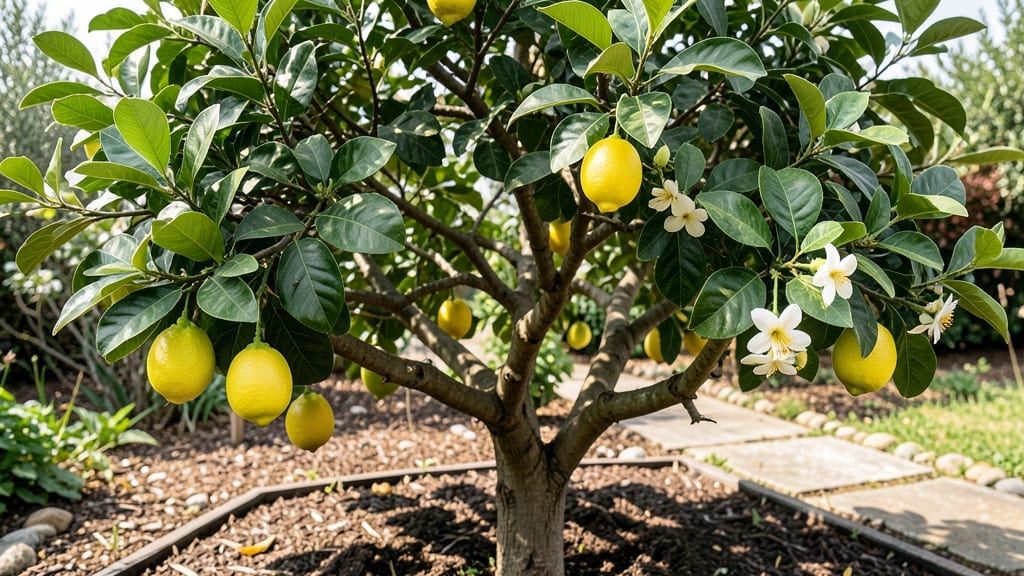
A large lemon tree 🍋 can reach 25 feet tall if left unchecked, but with smart pruning and care, you can keep it compact enough for even the smallest backyard.
Dreaming of a bountiful lemon harvest but worried your space can’t handle a towering citrus giant? Large lemon trees aren’t just for orchards—with the right techniques, they thrive in containers, patios, or small yards while staying manageable.
In this guide, you’ll learn how to control their height naturally, when and how to prune for shape and fruit, and the best space-saving methods for your climate.
Whether you’re starting from a seedling or working with a mature tree, these tips will help you enjoy fresh lemons without sacrificing space.
From dwarf varieties to pruning schedules, we’ll cover everything you need to grow a productive, space-friendly lemon tree that fits your garden—no matter how small.
How tall do large lemon trees grow naturally & how to control their size
Large lemon trees are stunning additions to any garden, but their natural mature height can be intimidating. Without intervention, varieties like Eureka and Lisbon can reach 15-25 feet tall, while Meyer lemon trees typically stay slightly shorter at 10-15 feet.
The good news? With strategic pruning, root restriction, and dwarfing techniques, you can keep them manageable even in small spaces.
Understanding each variety’s growth potential helps you plan. For example, a standard lemon tree in a backyard may need 15+ feet of vertical space, while a dwarf rootstock can be kept under 6-12 feet.
The key is balancing fruit production with space constraints—because even compact trees can yield hundreds of lemons annually if cared for properly.
Here’s a quick comparison of popular varieties and their natural height ranges:
If your space is limited, pruning is your best tool to control height. I recommend structural pruning in late winter to remove suckers and overlapping branches, followed by light shaping in spring.
Always use sterilized pruners to prevent disease, and never cut more than 25% of the canopy in one session to avoid stressing the tree.
For even more control, consider root restriction techniques like growing in large containers (20+ gallons) or using above-ground planters. Root-bound trees grow slower and stay smaller, though you’ll need to repot every 2–3 years to refresh the soil.
Add a drainage layer and citrus-specific potting mix to prevent root rot—a common issue with restricted roots.
Another effective method is dwarfing rootstock. Grafting your desired lemon variety onto a dwarfing rootstock like Swingle citrumelo or Cleopatra mandarin can reduce height by 30–50%.
While this requires some horticultural skill, the results are worth it for small gardens. Just ensure the rootstock is compatible with your lemon variety to avoid graft failure.
Light espalier training is perfect for vertical spaces like fences or trellises. By guiding branches horizontally, you can keep the tree’s width under 3 feet while maintaining a 6–10 foot height.
This method also improves air circulation, reducing the risk of fungal diseases like citrus canker. Start training young trees to avoid damaging mature wood.
Remember, consistent care is key to managing size without sacrificing fruit. Provide 6+ hours of sunlight, well-draining soil (pH 6.0–7.0), and regular watering (deep soaks every 3–5 days). Overwatering or poor drainage can stunt growth and lead to root diseases, so always check the soil moisture before watering.
With these techniques, you can enjoy a bountiful lemon harvest without your tree becoming a backyard giant. Whether you choose pruning, container growing, or dwarf rootstock, the right approach will keep your lemon tree both productive and picturesque.
🌱✂️🍋
Step-by-step pruning guide to keep your large lemon tree compact
Pruning your large lemon tree isn’t just about keeping it small—it’s about promoting health, airflow, and fruit production. Without proper pruning, your tree can become overgrown, disease-prone, and less productive. The key is timing, technique, and knowing which branches to keep and which to remove.
I’ll walk you through a seasonal pruning schedule that works for both spring and winter, plus the tools and angles you’ll need for clean cuts.
Start by gathering your tools: a sharp bypass pruner for small branches, loppers for thicker stems, and a pruning saw for large limbs. Disinfect your tools with rubbing alcohol to prevent spreading disease.
Always make cuts at a 45-degree angle, just above a bud or branch collar, to encourage faster healing and reduce water pooling. Avoid cutting too close to the trunk, as this can damage the tree’s vascular system.
🌱 Step-by-Step Pruning Guide for Large Lemon Trees
- 1 Spring Pruning (Late February - Early April)
- 2 Remove Dead or Diseased Branches – Cut back to the branch collar to prevent spread.
- 3 Thin Out Crowded Branches – Aim for 6-8 inches between branches to improve air circulation.
- 4 Shape the Tree – Prune to create an open-center shape for sunlight penetration.
- 5 Winter Pruning (Late November - Early January) – Focus on structural pruning to control size.
- 6 Prune for Airflow – Remove crossing branches and those growing inward to reduce humidity buildup.
- 7 Preserve Fruit-Bearing Branches – Leave mature branches with lemons unless they’re overcrowded.
When pruning, always prioritize removing suckers—those shoots growing from the trunk or root area—as they drain energy from fruit production. In spring, focus on light pruning to encourage new growth, while winter pruning should be more aggressive to shape the tree for the next season.
Avoid heavy pruning in summer, as this can stress the tree and reduce lemon production.
After pruning, apply a wound dressing to larger cuts to protect against pests and disease. Water the tree deeply to help it recover, and monitor for new growth in the following weeks. With consistent pruning, your large lemon tree will stay compact, healthy, and bursting with lemons year after year.
Remember, pruning is an ongoing process, not a one-time task. Check your tree every few months and adjust as needed. The goal is to balance size, shape, and fruit production—so don’t be afraid to get hands-on with your citrus giant!