
Container Gardens
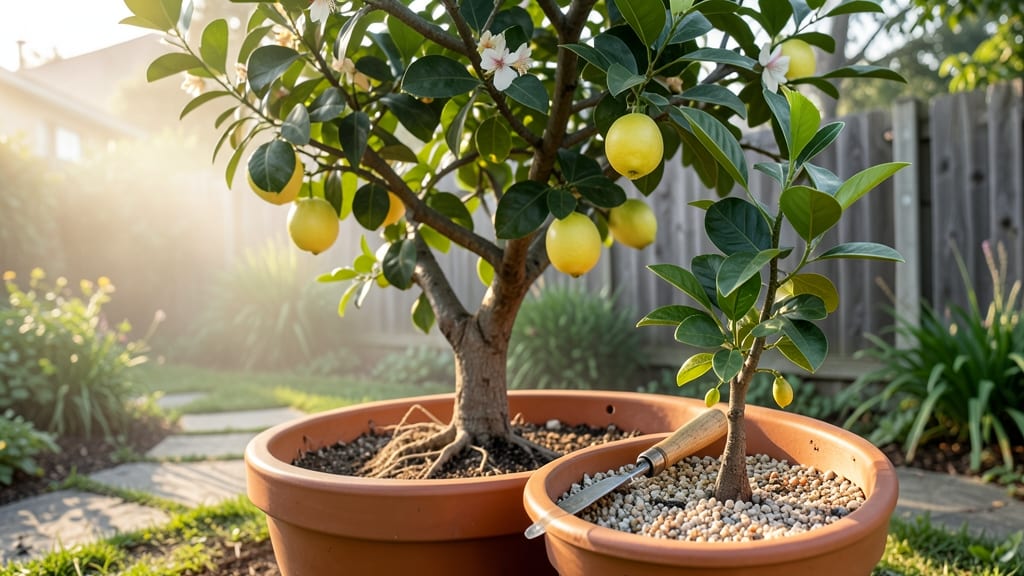
Planting a Meyer lemon tree in a pot lets you grow sunshine in your kitchen—even if your balcony is smaller than a postcard. 🌿 The key is getting the container, soil, and light right from day one, or you'll end up with a sad, leggy plant that never bears fruit.
I've had mine thriving for three years by following these exact steps, and the first harvest of those sweet, fragrant lemons made every detail worth it.
You'll need a pot at least 12 inches wide with drainage holes (citrus roots hate soggy feet), a mix of fast-draining potting soil (never garden soil), and a sunny spot that gets 6-8 hours of light daily.
Most beginners overlook the drainage or use the wrong soil—both lead to root rot and stunted growth. The right setup means your tree will grow 1-2 feet per year and start flowering within 2-3 years with proper care.
After planting, keep the soil consistently moist but never soggy—citrus trees wilt fast when thirsty but also hate sitting in water. In winter, move your pot indoors near a south-facing window or under grow lights to prevent leaf drop.
With the right care, you'll see bright green leaves, occasional white flowers, and eventually those prized lemons—all while your neighbors wonder how you fit a tree in such a tiny space.
Repot every 2-3 years into a slightly larger container, and prune leggy branches to encourage bushier growth. The first year is about establishing roots; by year two, you'll be harvesting enough lemons for homemade preserves—if you can resist eating them straight off the tree.
Here's how to make it happen without the common pitfalls.
📚 In This Guide
- What you need
- Instructions
- Tips and common mistakes
- Wrapping up and next steps
What you need
- ● Meyer lemon tree: A healthy, 1- to 3-gallon container-grown sapling (ensure it’s labeled as Meyer lemon for that sweet-tart twist!).
- ● Container: A pot with drainage holes, at least 12-15 inches in diameter and depth (larger pots = more growth potential!).
- ● Potting mix: A well-draining citrus-specific mix (or blend 50% potting soil with 50% perlite/pumice for aeration). 5-10 gallons per pot.
- ● Drainage layer: 2-3 inches of small gravel, pebbles, or broken pottery pieces (placed at the pot’s bottom).
- ● Slow-release fertilizer: A citrus-specific formula (e.g., 8-3-9 or 10-10-10 NPK ratio) or organic options like citrus compost. Follow package instructions for dosage.
- ● Watering can or hose: With a gentle spray nozzle to avoid disturbing the soil.
- ● Pruning shears: Small, sharp shears for trimming (sterilize with rubbing alcohol before use!).
- ○ Support stake (optional but helpful): A 3-4 foot bamboo or metal stake to secure young trees as they grow.
- ● Mulch: A 1-inch layer of organic mulch (like bark chips) to retain moisture and regulate soil temp.
- ● Citrus food supplements: Liquid iron or magnesium supplements if your tree shows yellowing leaves.
- ● Pot feet or casters: To protect floors and improve mobility (especially for larger pots!).
- ● Grow lights (indoor growers): A full-spectrum LED light for 12-14 hours/day if natural light is limited.
Step-by-step instructions for planting a Meyer lemon tree in a pot
Here's how I grow thriving Meyer lemon trees in containers—no greenhouse needed.
🪴 Step 1: Choose the Right Pot and Drainage System
Start with a container at least 18 inches wide and deep—Meyer lemons need room for roots to spread. I use unglazed terra cotta because it breathes and prevents root rot, but any pot with drainage holes works. If yours lacks holes, drill 3-4 ½-inch holes in the bottom.
Line the bottom with 3-4 inches of coarse gravel or broken pottery shards—this creates a drainage layer that prevents waterlogging. The roots should never sit in soggy soil, or the tree will develop fungal diseases. I like to add a layer of landscape fabric over the gravel to keep it in place while still allowing water to flow freely.
🌱 Step 2: Prepare the Soil Mix for Optimal Growth
Meyer lemons thrive in well-draining, slightly acidic soil. Mix 2 parts potting soil with 1 part perlite or coarse sand and 1 part compost to create a light, airy medium. I avoid garden soil—it compacts in pots and suffocates roots. Fill the pot ⅔ full with this blend, leaving space at the top for the tree.
Add a handful of slow-release citrus fertilizer to the soil mix—this gives your tree a nutrient boost right from planting. Gently fluff the soil with your fingers to remove any large air pockets while keeping it loose enough for roots to penetrate easily. The goal is a mix that holds moisture but drains freely.
☀️ Step 3: Plant the Tree and Position for Success
Remove the Meyer lemon tree from its nursery pot and gently loosen the roots if they're circling tightly. Place it in the center of your prepared pot so the top of the root ball sits 1 inch below the rim. This allows room for watering without spilling soil out. Fill the remaining space with your soil mix, pressing lightly to eliminate air gaps.
Water the tree deeply until water runs out the drainage holes—this helps settle the soil and removes air pockets around the roots. Position your pot in a spot with 6-8 hours of direct sunlight daily. A south- or west-facing window works well, but if you're using grow lights, keep them 12-18 inches above the tree for 12-14 hours daily. Lack of light causes leggy growth and poor fruit production.
💧 Step 4: Water and Fertilize for Year-Round Health
Water your Meyer lemon tree when the top 1-2 inches of soil feel dry to the touch. I check this by sticking my finger into the soil—if it's dry at that depth, it's time to water. Overwatering is the #1 killer of potted citrus, so always let excess water drain away completely. In winter, reduce watering to every 7-10 days as growth slows.
Feed your tree monthly during spring and summer with a balanced citrus fertilizer, following package instructions. In fall and winter, cut back to every 6-8 weeks. I also give my tree a mid-winter boost with Epsom salt (1 tablespoon per gallon of water)
Prune your Meyer lemon tree in late winter or early spring to shape the canopy and encourage fruit production. Remove any dead, diseased, or crossing branches with clean, sharp pruners. I also trim back any leggy growth to maintain a compact shape—this helps the tree focus energy on fruit rather than excessive foliage. Never remove more than ⅓ of the tree's foliage at once. Dust the leaves occasionally with a damp cloth to keep them free of pests. Watch for spider mites or scale insects—early signs include yellowing leaves or sticky residue on the branches. If you spot pests, treat with neem oil or insecticidal soap. With proper care, your Meyer lemon tree will reward you with fragrant blossoms and sweet fruit within 2-3 years.✂️ Step 5: Prune and Maintain for Fruit Production
Tips & tricks for planting a Meyer lemon tree in a pot
Here's what I wish I knew before my first Meyer lemon tree—these tricks make all the difference for container-grown citrus.
Pot Size Matters: That 18-inch minimum isn't just a suggestion—Meyer lemons grow surprisingly fast in containers. If you're dreaming of fruit, go for a 20-24 inch pot from the start. I've seen trees outgrow their pots in just 2 years, leading to root-bound stress. The extra space also means you can wait longer between repottings, which citrus trees hate.
Drainage Layer Secrets: Don't just eyeball that 3-4 inches of gravel—measure it! Use a ruler to ensure consistent depth around the entire pot bottom. I've found that broken terracotta pots work better than smooth gravel because they create more air pockets. Pro tip: Add a layer of coffee grounds (from organic coffee) to the gravel mix—it helps prevent mold and adds trace nutrients as it breaks down.
Sunlight Strategy: Those 6-8 hours of sunlight? Think of them as non-negotiable. If your window doesn't get that much direct light, supplement with a full-spectrum LED grow light for 4-6 hours daily. I place mine 12 inches above the tree and use it during cloudy days too. The key is consistency—Meyer lemons won't tolerate erratic light conditions, which can cause bud drop and poor fruit set.
Winter Care: When temperatures dip below 40°F, move your pot indoors near a sunny window or under grow lights. I've seen trees suffer from cold shock when left outside too long. If you must keep it outside, wrap the pot in bubble wrap (yes, really!) to protect roots from temperature swings. The 7-10 day winter watering schedule is crucial—citrus trees go dormant, and overwatering is just as deadly in winter as it is in summer.
Pro Tips for Plant A Meyer Lemon Tree In A Pot
- Here's what I wish I knew before my first Meyer lemon tree—these tricks make all the difference for container-grown citrus.
- Pot Size Matters: That 18-inch minimum isn't just a suggestion—Meyer lemons grow surprisingly fast in containers.
- Drainage Layer Secrets: Don't just eyeball that 3-4 inches of gravel—measure it!
Frequently asked questions
Got questions?
Growing a Meyer lemon tree in a pot is rewarding, but it’s natural to wonder about care, timing, and troubleshooting. Here are answers to the most common queries to help you grow a thriving citrus tree with confidence!
When is the best time to plant a Meyer lemon tree in a pot?
The ideal time to plant is early spring after the last frost, when temperatures are consistently above 50°F (10°C). This gives your tree time to establish roots before summer heat. If you’re in a warm climate, fall planting (September–October) also works well. Avoid planting in winter or extreme heat—root stress can stunt growth.
How often should I water my potted Meyer lemon tree?
Water your tree when the top 1–2 inches of soil feel dry (about once a week in summer, less in winter). Overwatering is a common issue—yellow leaves or root rot are red flags! Use well-draining soil and a pot with drainage holes. In hot months, check soil moisture daily and adjust as needed.
Why aren’t my Meyer lemon leaves turning green, and what can I fix?
Yellow or pale leaves often signal nutrient deficiencies (like nitrogen or iron) or overwatering. Try these fixes:
- Fertilize with a citrus-specific fertilizer every 4–6 weeks in growing season.
- Flush the soil with water to prevent salt buildup.
- Move the pot to bright, indirect light (south-facing windows or grow lights).
Can I grow a Meyer lemon tree indoors year-round, and will it produce fruit?
Yes! With proper light (6+ hours of sunlight daily) and care, your potted Meyer lemon can thrive indoors and even bear fruit in 3–5 years. Place it near a sunny window or supplement with a grow light. For better fruiting, ensure the tree gets cool nights (50–60°F/10–15°C) and humidity (mist leaves or use a pebble tray).
What size pot do I need, and can I use a decorative container without drainage?
Start with a 5–7 gallon pot for young trees, upgrading to 10+ gallons as the tree matures. Drainage is non-negotiable—root rot kills potted citrus! If your decorative pot lacks holes, nestle it inside a plastic grow pot with drainage (like a cache pot). Avoid glazed or sealed containers unless you’re willing to monitor soil moisture obsessively!
How do I prevent pests like aphids or spider mites on my Meyer lemon tree?
Pests love tender citrus leaves! Prevent them with:
- Regularly inspecting leaves (especially undersides) for sticky residue or webs.
- Spraying leaves with neem oil (mix 1 tsp per quart of water) every 2 weeks.
- Encouraging beneficial insects like ladybugs to munch on pests.
Wrapping up and next steps
Growing a Meyer lemon tree in a pot is a rewarding journey that brings fresh citrus to your doorstep—literally! 🌱 With the right container, soil, sunlight, and care, you’ll enjoy fragrant blooms and juicy lemons year-round.
Start small, stay patient, and soon you’ll be harvesting homegrown lemons for everything from zesty cocktails to homemade preserves.
Now that you’re ready to plant, take the next step: research seasonal care tips or explore creative ways to use your future harvest. Happy growing—your kitchen (and taste buds) will thank you! 🍋✨