
Pruning
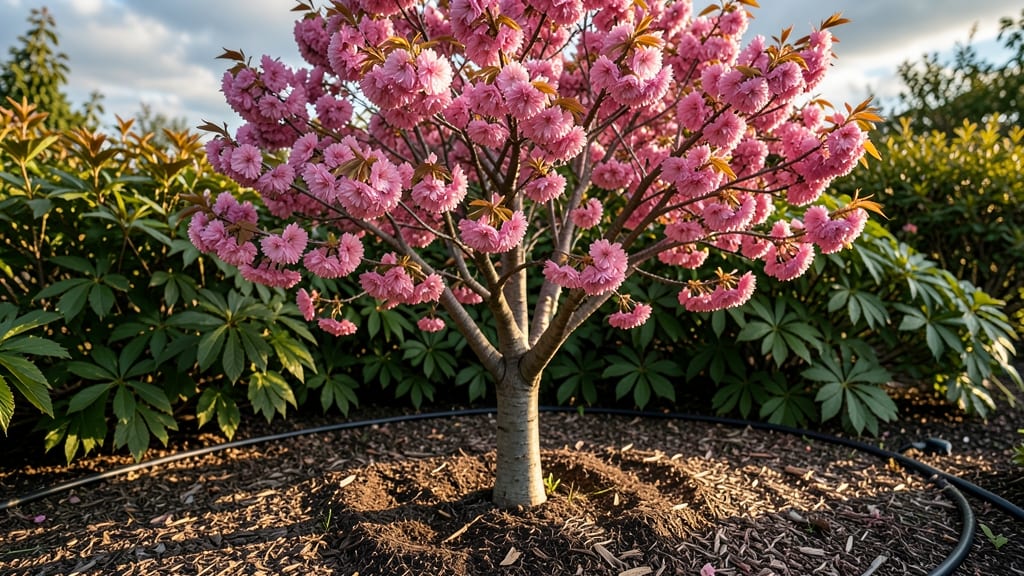
The care of your kwanzan cherry tree could be the secret to making it the star of your spring landscape—but only if you prune it right. 🌸 This pink-blooming beauty needs careful year-round maintenance to stay healthy and produce those stunning, cascading flowers every season.
I’ve pruned mine for five years, and the difference between a well-shaped tree and a tangled mess is all in the timing and technique.
The secret starts with selecting the perfect spot: full sun (at least 6 hours daily) and well-draining soil. Overwatering is the #1 killer, so amend heavy clay with compost. Feed lightly in early spring with a balanced fertilizer, but avoid heavy nitrogen—it’ll boost leaves over blooms.
Pruning isn’t just about shaping; it’s about encouraging next year’s flowers by cutting back old wood after blooming.
By summer’s end, you’ll see the payoff: a tree bursting with hundreds of pink blossoms and a sturdy structure that supports them. The key is thinning out crowded branches in late winter (before buds swell) to improve airflow and reduce disease risk.
With this routine, your Kwanzan will reward you with show-stopping spring color for decades.
Works in zones 5-8, but adapt pruning slightly for wetter climates (prune earlier to prevent fungal issues). The same principles apply whether you’re shaping a young tree or rejuvenating an older one. Here’s how to do it step by step—no guesswork, just results.
📚 In This Guide
- What you need
- Instructions
- Tips and common mistakes
- Wrapping up and next steps
What you need
- ● Pruning shears: Bypass pruners (sharp, clean, and sterilized with rubbing alcohol or bleach solution). Quantity: 1 pair.
- ● Loppers: For thicker branches (1.5"–2" diameter). Quantity: 1 pair.
- ● Pruning saw: For larger branches (2"+ diameter). Quantity: 1.
- ● Gloves: Heavy-duty gardening gloves (cut-resistant for safety). Quantity: 1 pair.
- ○ Disposable pruning bags: For collecting debris (optional but helpful!). Quantity: 2-3.
- ● Rubbing alcohol or bleach solution (1 part bleach to 9 parts water): For sterilizing tools.
- ○ Pruning sealant (optional): For larger cuts (e.g., Tanglefoot Tree Wound Pruning Seal).
- ● Ladder or step stool: For reaching higher branches (ensure it’s stable!).
- ○ Marking twine or flags (optional): To tag branches for removal or special attention.
- ● Knowledge of basic pruning techniques: Familiarize yourself with heading back, thinning, and cleaning cuts to avoid damaging the tree.
- ● Weather check: Prune on a dry, cool day (avoid extreme heat or frost).
- ● Tree health assessment: Inspect the tree for diseases (e.g., powdery mildew, canker) or pests (e.g., borers, aphids) before pruning.
- ● Safety gear: Safety glasses (to protect from debris) and long sleeves/pants (to avoid scratches).
- ● Water source: A hose or bucket of water to clean tools and rinse off sap.
- ● 🔥 Sterilize tools between cuts: Prevents spreading disease from one branch to another.
- ● ✨ Use sharp tools: Dull blades tear wood, inviting infections. Sharpen or replace blades as needed.
- ● 🌡️ Prune at the right time: Late winter/early spring (before buds swell) is ideal for Kwanzan cherry trees.
- ● 🎯 Dispose of debris properly: Remove pruned branches from the garden to reduce disease risk.
Year-round pruning guide for a thriving Kwanzan cherry tree
Here’s how I keep my Kwanzan cherry tree blooming beautifully while avoiding common mistakes that weaken the tree.
✂️ Step 1: Late Winter Pruning for Structure
Prune your Kwanzan cherry tree in late winter (just before buds swell) to shape it and remove dead wood. I use clean, sharp pruners to make cuts at a 45-degree angle, about ¼ inch above a bud facing outward. This encourages new growth in the right direction and prevents disease from entering the tree.
Focus on removing crossing branches and suckers (shoots growing from the base). These compete for energy and weaken the tree’s ability to produce vibrant blooms. I also thin out overcrowded branches to improve airflow—this reduces the risk of fungal diseases like powdery mildew, which can ruin spring flowers.
🌿 Step 2: Light Summer Pruning After Blooming
After the spring blooms fade (around late May or June), do a light pruning to remove any dead, diseased, or broken branches. Kwanzan cherries bloom on old wood, so avoid heavy pruning now—you’ll cut off next year’s flowers. Instead, just trim back any overly vigorous growth that’s spoiling the tree’s shape.
Watch for water sprouts (fast-growing vertical shoots) and prune them back to a side branch. These sap-suckers drain energy from the tree. I also remove any branches rubbing against each other—they’ll eventually create wounds that invite pests. Keep cuts small and clean to minimize stress on the tree.
⏰ Step 3: Fall Cleanup Before Dormancy
In late fall (after leaves drop but before hard frost), do a final cleanup to remove any fallen debris and weak growth. Rake up leaves and dispose of them—cherry trees are prone to leaf spot diseases, and leaving wet leaves on the ground spreads spores. I also check for cankers (sunken, dead areas on branches) and prune them out with sterilized tools.
This is also the time to sanitize your tools with rubbing alcohol to prevent spreading disease. If you notice mushroom-like growths at the base of the tree, it’s a sign of root rot—prune away infected wood immediately and improve drainage in that area. A healthy fall cleanup sets the stage for strong blooms next spring.
☀️ Step 4: Year-Round Maintenance for Health
Beyond seasonal pruning, water deeply but infrequently (about 1 inch per week in dry spells) to encourage deep root growth. Mulch around the base with 2-3 inches of organic mulch (like wood chips) to retain moisture and regulate soil temperature. Keep mulch 6 inches away from the trunk to prevent rot.
Fertilize lightly in early spring with a balanced 10-10-10 fertilizer—too much nitrogen encourages leafy growth at the expense of flowers. I also monitor for aphids or scale insects, which love cherry trees. A strong spray of water often dislodges them, but for stubborn infestations, use neem oil (follow label instructions).
Tips & tricks for perfect Kwanzan cherry tree care
Between us, these little details make all the difference when it comes to keeping your Kwanzan cherry tree thriving for years of stunning spring blooms.
Timing is Everything: That late winter pruning window is critical—aim for just before buds swell, but don't wait until spring. I've learned this the hard way after seeing buds form only to be damaged by late pruning cuts. If you miss the window, wait until summer's light pruning instead of forcing winter cuts. The tree's healing process works best when it's not actively growing.
Tool Sanitation: I can't stress this enough—sterilize your pruners with rubbing alcohol between every cut, especially when dealing with cankers or diseased branches. I keep a small bottle of 70% isopropyl alcohol in my gardening toolbox for this exact purpose. Unsterilized tools can spread fungal spores faster than you can say "powdery mildew."
Visual Pruning Cues: When removing crossing branches in Step 1, look for the branch that's growing more vertically—this is the one to keep. The horizontal branch will naturally grow outward more beautifully. For suckers at the base, they're easy to spot—they grow straight up like little tree poles while the main trunk grows at an angle.
Mulch Placement Matters: That 2-3 inch layer of organic mulch should stay 6 inches away from the trunk to prevent rot. I use wood chips because they break down slowly and improve soil structure over time. Pro tip: Refresh the mulch every spring—old mulch compacts and loses its moisture-retaining properties.
Pro Tips for Kwanzan Cherry Tree Care
- Between us, these little details make all the difference when it comes to keeping your Kwanzan cherry tree thriving for years of stunning spring blooms.
- Timing is Everything: That late winter pruning window is critical—aim for just before buds swell, but don't wait until spring.
- Tool Sanitation: I can't stress this enough—sterilize your pruners with rubbing alcohol between every cut, especially when dealing with cankers or diseased branches.
Frequently asked questions
Got questions about keeping your Kwanzan cherry tree thriving?
Here are answers to the most common concerns—from pruning timing to troubleshooting—so you can enjoy stunning blooms year after year.
When is the best time to prune a Kwanzan cherry tree?
Prune your Kwanzan cherry tree late winter or early spring (before buds swell), ideally between February and March. This timing ensures minimal stress while promoting healthy growth. Avoid pruning in fall or during bloom season, as it can harm the tree’s ability to flower. Light shaping can be done after blooms fade, but major pruning should wait until dormancy.
Can I prune a Kwanzan cherry tree in winter?
Yes, but with caution! Prune only when the tree is fully dormant (typically January–February in most climates). Cold temperatures help prevent disease, but avoid pruning during extreme freezes. If winter is mild, wait until late winter to reduce stress. Always use clean, sharp tools to minimize damage and infection risk.
Why aren’t my Kwanzan cherry tree blooms as abundant as last year?
Several factors can reduce blooms: over-pruning, nutrient deficiencies, poor drainage, or environmental stress (like drought or heat). Focus on light pruning, balanced fertilization (high in phosphorus), and consistent watering. If blooms are sparse, check for pests or disease, and adjust care accordingly.
Is it okay to prune a Kwanzan cherry tree after it blooms?
You can do light pruning after blooms fade (late spring) to shape the tree, but avoid heavy cuts. Major pruning post-bloom can reduce next year’s flowers. If you must prune, keep it minimal—focus on removing dead wood or crossing branches. Always prioritize dormant-season pruning for best results.
Are there alternatives to Kwanzan cherry trees for low-maintenance blooms?
If Kwanzan cherry trees feel high-maintenance, consider these low-maintenance alternatives:
- Yoshino cherry (Prunus × yedoensis): Similar blooms, slightly more disease-resistant.
- Double Flowering Crabapple (Malus): Vibrant blooms with less fuss.
- Japanese Snowbell (Styrax japonicus): Fragrant white flowers, thrives in shade.
- Korean Dogwood (Cornus kousa): Stunning blooms and minimal pruning needs.
Wrapping up and next steps
Caring for your Kwanzan cherry tree is a rewarding journey that brings stunning blooms and lasting health to your landscape. By mastering year-round pruning—whether shaping in late winter, thinning in early spring, or maintaining health through summer and fall—you’ll ensure vibrant flowers and strong growth.
With the right tools, timing, and techniques, your tree will thrive for decades to come! 🌸✨
Ready to take the next step? Start small: pick one season’s pruning tasks to practice, then gradually expand your skills. Soon, your Kwanzan cherry will be the showstopper of your garden—and you’ll be the proud gardener behind it! 🌿💚