
Pruning
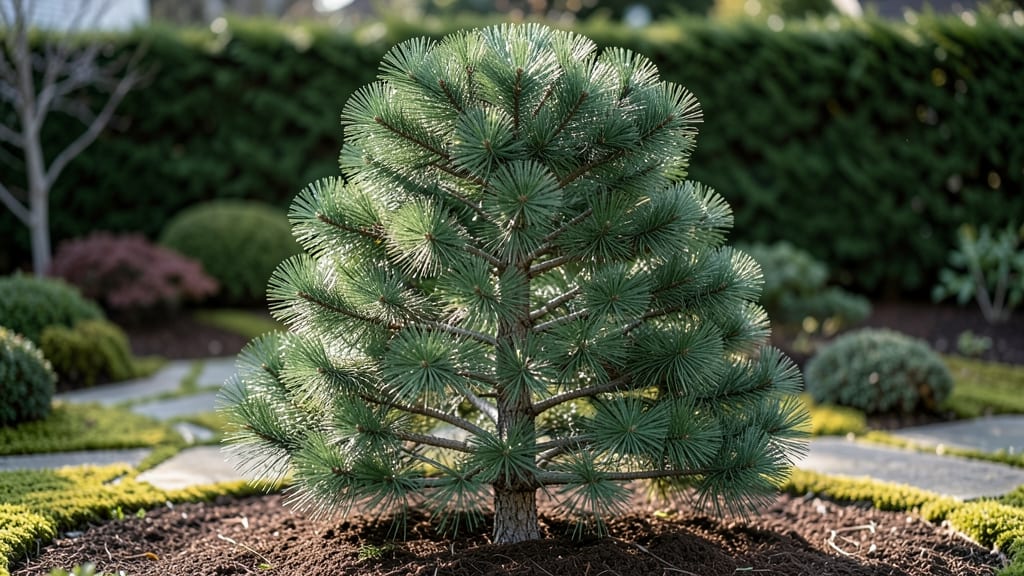
Your Korean fir tree could become the star of every holiday season—and stay lush year-round. 🌲 This elegant evergreen isn't just a Christmas tree; it's a living centerpiece that thrives with the right pruning care, transforming from seasonal showstopper to permanent garden treasure.
I've learned the hard way that Korean firs need light annual pruning to maintain their dense, symmetrical shape. The key is removing only the innermost branches that crowd the trunk while keeping the outer branches full.
This creates that classic Christmas tree silhouette while encouraging new growth at the tips—exactly what you want for that perfect holiday shape.
With proper pruning, you'll end up with a tree that looks fresh and full even in winter, its silvery-blue needles contrasting beautifully against snow. The best part? It keeps its shape naturally, so you won't spend hours wrestling with branches to achieve that perfect conical form.
Works equally well as a holiday centerpiece or as a year-round ornamental, adapting to both formal gardens and rustic landscapes. Let's get your Korean fir looking its best for every season—starting with the right cuts.
📚 In This Guide
- What you need
- Instructions
- Tips and common mistakes
- Wrapping up and next steps
What you need
- ● Pruning shears: Bypass pruners (sharp, clean, and sterilized with rubbing alcohol to prevent disease).
- ● Loppers: For thicker branches (1.5"–2" diameter) – avoid dull blades!
- ● Hand saw: For stubborn, larger branches (8"–10" blade, fine-tooth for clean cuts).
- ● Ladder: Extendable (12–16 ft) or sturdy step stool (if tree is <6 ft tall).
- ● Garden gloves: Heavy-duty (cut-resistant) to protect hands from sap and splinters.
- ● Disposable pruning bags: 2–3 medium-sized (1–2 gallon) to collect clippings.
- ● Rubbing alcohol (70%+) or bleach solution: (1 part bleach : 9 parts water) for sterilizing tools between cuts.
- ○ Tree stand or support: Optional but helpful for tall trees (e.g., a tripod stand for stability).
- ● Pruning sealant: (e.g., tree wound paint) – only use on large cuts (>0.5" diameter) to prevent pests.
- ● Extension pole: With a hook or basket for collecting high branches without a ladder.
- ● Spray bottle with water: To dampen tools and reduce sawdust when cutting.
- ● Notebook & pencil: To sketch a pruning plan before you start (trust us, it helps!).
- ● Safety goggles: To shield eyes from flying debris.
- ● Know your tree: Confirm it’s a Korean fir (Abies koreana) – check for silvery-blue needles and upright growth habit.
- ● Timing: Prune in late winter or early spring (before new growth) for best results.
- ● Weather: Choose a dry, overcast day (avoid pruning in extreme heat or wind).
- ● Safety first: Wear closed-toe shoes and avoid pruning near power lines!
Instructions for pruning your Korean fir tree for year-round beauty
Here’s how to transform your Korean fir into a lush, evergreen centerpiece that thrives beyond the holidays.
✂️ Step 1: Assess the Tree’s Structure and Identify Growth Zones
Start by examining your Korean fir’s branches from all angles—look for areas where growth is uneven, crowded, or sparse. Korean firs (Abies koreana) grow in dense, layered whorls, so focus on the outer third of the tree where new growth emerges. Use your fingers to gently trace the branch structure: healthy branches should feel firm with a slight springiness, while weak or dead branches will snap easily.
Mark the primary branches (those extending from the trunk) with a small piece of twine or a pencil—these are your guideposts for pruning. Avoid cutting into the inner core of the tree, as this can expose the trunk to sunburn and pests. The goal is to open up the canopy while maintaining that signature conical shape. I always prune in early spring (just as new growth begins) or late fall to avoid stressing the tree during dormancy.
✂️ Step 2: Remove Dead, Diseased, or Crossing Branches
Using clean, sharp pruning shears, start by cutting back any branches that are brown, brittle, or devoid of needles—these are dead and won’t regenerate. Korean firs are particularly susceptible to needle blight, so remove any branches with yellowing or discolored needles immediately. Cut just outside the branch collar (the swollen area where the branch meets the trunk) at a 45-degree angle to promote faster healing.
Next, target crossing branches—where two limbs grow toward each other—by removing the smaller or weaker of the two. This prevents future rubbing and damage. If a branch is growing inward toward the trunk, trim it back to the nearest outward-facing bud. Here’s the thing: Korean firs are slow to recover, so never remove more than 25% of the foliage in a single session. You’ll see the most dramatic improvement over 2-3 years of gradual pruning.
✂️ Step 3: Thin Out the Canopy for Light Penetration
Step back and visualize the tree’s shape—your goal is to create an open, airy structure that allows sunlight to reach the inner branches. Focus on the outer third of the tree, where new growth is most active. Using your shears, selectively trim back the longest branches by about one-third of their length, cutting just above a healthy bud that faces outward. This encourages bushier, denser growth in the future.
For a Christmas-tree silhouette, prioritize branches on the lower third of the tree—these should be slightly longer to create that classic tapered look. Avoid "lion-tailing" (cutting all branches to the same length), as this can leave the tree looking unnatural. Instead, aim for a gradual transition from fuller at the base to more open at the top. Water the tree deeply after pruning to reduce stress—Korean firs are drought-sensitive, and pruning can temporarily disrupt their moisture balance.
🪴 Step 4: Shape and Maintain Year-Round Health
Once the major branches are addressed, use your shears to soften the tree’s edges by trimming back any overly aggressive or straggly growth. Korean firs respond well to light, frequent pruning rather than heavy annual cuts. After shaping, apply a balanced, slow-release fertilizer (like a 10-10-10 formula) to support new growth. I like to fertilize in early spring and again in mid-summer, but avoid fertilizing in the fall, as this can encourage tender new growth that won’t survive winter.
Finally, mulch around the base with 2-3 inches of organic mulch (like pine bark or shredded leaves) to retain moisture and protect roots from temperature fluctuations. Korean firs thrive in partial shade to full sun, but their roots prefer consistent moisture—so water 1-2 times per week during dry spells, aiming for 1-1.5 gallons per watering. You’ll know you’re doing it right when the tree maintains vibrant green needles even in the hottest months.
⏰ Step 5: Schedule Ongoing Maintenance for Long-Term Lushness
Prune your Korean fir once a year (early spring or late fall) to keep it looking its best. Over time, you’ll develop a rhythm: light shaping in spring to encourage new growth and minor touch-ups in fall to prepare for winter. Watch for new shoots at the base of the tree—these are your signal to prune back any that grow too close to the trunk, as they can compete with the main structure.
Real talk: Korean firs are low-maintenance once established, but they reward patience. If you notice needle drop (especially in late summer), it’s often a sign of overwatering or poor drainage—adjust your watering schedule and ensure the soil is well-draining. With consistent care, your tree will stay dense, symmetrical, and festive-looking year-round, not just during the holidays. That’s the magic of pruning with purpose!
Tips & tricks for perfect Korean fir tree pruning
Here’s how to elevate your Korean fir pruning game—because a little strategic trimming makes all the difference for that showstopping year-round silhouette.
Branch Health Check: In Step 1, when assessing branches, don’t just look—touch! Healthy Korean fir branches should feel firm with a slight springiness. If a branch snaps easily or has dry, brittle needles, it’s time to remove it completely. Confession: I skipped this step for years and wondered why my tree’s lower branches kept dying. The key is to act early—needle blight spreads fast in these evergreens, so remove any suspicious branches immediately using clean, sharp pruning shears.
The 25% Rule: During Step 2, remember that Korean firs are slow to recover, so never remove more than 25% of the foliage in a single session. This isn’t just a suggestion—it’s a survival strategy. I learned this the hard way after pruning too aggressively one spring and watching my tree struggle for two years to bounce back. Think of it as a haircut: you wouldn’t shave off half your head in one visit, would you?
Canopy Lighting Strategy: When thinning in Step 3, focus on creating an open, airy structure that lets sunlight reach the inner branches. The outer third is your sweet spot for trimming—this is where new growth emerges. Here’s what nobody tells you: cut branches back by about one-third of their length, but always above a healthy, outward-facing bud. This might seem counterintuitive, but it’s how you encourage that lush, bushy growth you’re after. I always visualize the tree’s final shape before making cuts—it’s like sculpting with nature!
Seasonal Timing: The instructions mention early spring or late fall, but here’s the pro move: if you live in a region with mild winters, late fall pruning is ideal. It gives the tree time to heal before winter stresses set in. In Step 5, when scheduling maintenance, mark your calendar for these windows—your tree’s health depends on it. And trust me on this: a well-timed prune in spring will set you up for that perfect Christmas tree silhouette by holiday season.
Pro Tips for Korean Fir Tree Christmas Tree
- Here’s how to elevate your Korean fir pruning game—because a little strategic trimming makes all the difference for t...
- Branch Health Check: In Step 1, when assessing branches, don’t just look—touch! Healthy Korean fir branches should fe...
- The 25% Rule: During Step 2, remember that Korean firs are slow to recover, so never remove more than 25% of the foli...
Frequently asked questions
Got questions about keeping your Korean fir tree looking fresh year-round? We’ve got answers! Whether you’re a first-time pruner or a seasoned holiday decorator, these FAQs will help you avoid common pitfalls and keep your tree thriving—inside or out.
How often should I prune my Korean fir tree for Christmas?
For a showstopping Christmas tree, prune lightly in late winter or early spring (before new growth starts) to shape it. If using it as a holiday centerpiece, trim branches 2–3 weeks before bringing it indoors to encourage freshness. Avoid heavy pruning mid-season—it stresses the tree!
Can I reuse my Korean fir tree after Christmas?
With proper care, your tree can thrive for years. After the holidays, prune damaged branches, move it to a shady spot, and water deeply. In spring, fertilize and prune again to encourage new growth. Just avoid overwatering—Korean firs hate soggy roots!
What’s the best way to prune a Korean fir tree for indoor use?
Use sharp, clean pruners to cut at a 45-degree angle just above a bud or branch collar. Remove only 10–20% of the tree’s foliage to maintain its shape. Focus on inner branches that block light or look sparse. Never prune more than a third at once!
Why are my Korean fir branches turning brown after pruning?
Brown tips or needles usually mean over-pruning, stress, or dehydration. If it happens post-Christmas, your tree may need more humidity (mist lightly) or a cool, shaded spot. For outdoor trees, check for pests (like spider mites) or fungus—treat with neem oil if needed.
Are there alternatives to Korean fir for a long-lasting Christmas tree?
Yes! If Korean fir isn’t available, try Douglas fir, Fraser fir, or Nordmann fir—they’re all great for indoor use. For year-round outdoor trees, Blue Spruce or Eastern White Pine are hardier. Just remember: Evergreens like Korean fir handle indoor conditions best due to their dense foliage!
Wrapping up and next steps
Transforming your Korean fir tree into a stunning year-round Christmas tree is totally doable with the right pruning techniques! By following our step-by-step guide, you’ll keep its branches lush, its shape symmetrical, and its holiday spirit alive—even after the decorations come down. 🎄✨
Ready to take action? Grab your pruning shears and schedule your first session this weekend. A little effort now means a healthier, more beautiful tree for seasons to come—and who doesn’t love a tree that’s always ready for the holidays? Happy pruning!