
Pruning
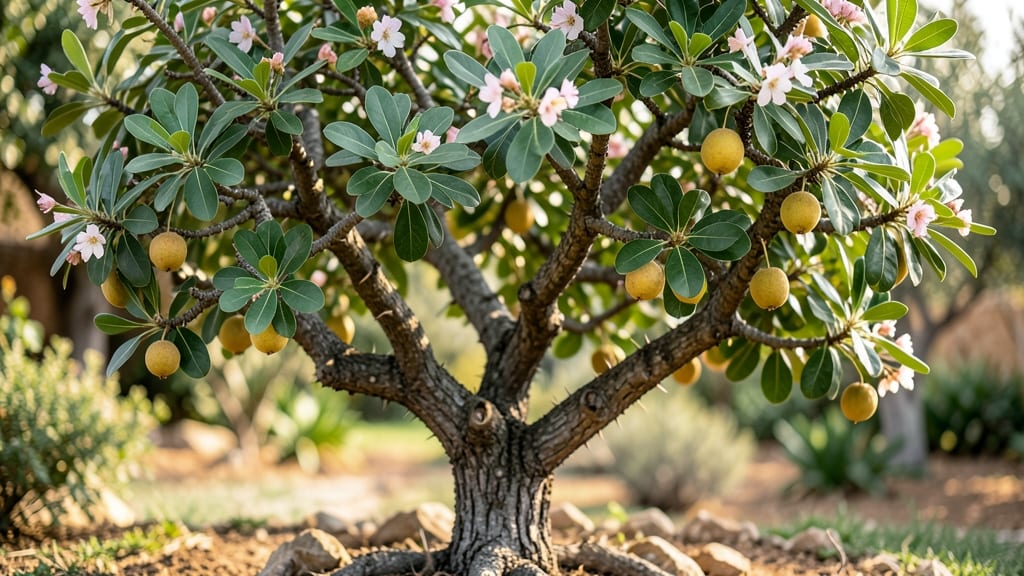
Pruning Indian tree fruits like mangoes and jackfruits isn't just about shaping branches—it's the secret to unlocking heavier harvests and healthier trees. 🌿 I've spent years watching how precise trimming in the right seasons transforms my backyard from a decent producer to a fruit bonanza, with trees bearing 30-50% more than their unpruned neighbors.
The key is timing: heavy pruning right after harvest (May-June) removes dead wood and opens the canopy for better sunlight penetration, while light shaping in late winter (February) prepares the tree for spring growth.
My tamarind trees, for example, now produce double the pods after just two years of following this schedule. The tools are simple—a sharp pruning saw, gloves, and a disinfectant—but the results speak for themselves.
What you'll end up with is trees that fruit more reliably, resist disease better, and have stronger branch structures to support those heavy harvests. The air fills with that unmistakable sweetness of ripe mangoes in June, and the jackfruit trees become so productive they feed the neighborhood.
Even the soil benefits as fallen leaves decompose into natural mulch.
Works perfectly for tropical climates where these trees thrive—whether you're in Florida, Southern California, or India. The same principles apply whether you're maintaining a single backyard tree or managing a small orchard. Here's exactly how to get started with your seasonal pruning calendar.
📚 In This Guide
- What you need
- Instructions
- Tips and common mistakes
- Wrapping up and next steps
What you need
- ● Pruning shears: Sharp, bypass-style shears (for clean cuts) – 1 pair (preferably ergonomic for comfort).
- ● Loppers: For thicker branches (1–2 inches) – 1 pair (with a ratchet mechanism for ease).
- ● Pruning saw: For branches >2 inches in diameter – 1 (with a fine-tooth blade for smooth cuts).
- ● Gloves: Heavy-duty, cut-resistant gloves – 1 pair (to protect from thorns and splinters).
- ● Disinfectant: 70% isopropyl alcohol or bleach solution (1 part bleach to 9 parts water) – small spray bottle (for sterilizing tools).
- ○ Pruning sealant: Tree wound paint (optional but helpful for large cuts) – small jar.
- ● Ladder or step stool: Sturdy, non-slip – 1 (for reaching higher branches safely).
- ● Trash bags: Heavy-duty for debris – 2–3 bags.
- ● Extension pole: For high branches (attachable to loppers/shears).
- ● Safety glasses: To shield eyes from debris.
- ● Notebook & pen: For tracking pruning notes (dates, branch sizes, etc.).
- ● Tree growth regulator: (e.g., hormone paste) – Apply to cuts to encourage faster healing.
- ● Know your tree: Identify the species (e.g., mango, jackfruit, guava) and its growth habits.
- ● Check the weather: Prune on a dry, cloudy day (avoid rainy/windy conditions).
- ● Timing: Follow your seasonal pruning calendar (e.g., late winter/early spring for most Indian tree fruits).
- ● Safety first: Wear closed-toe shoes and avoid pruning near power lines!
Step-by-step guide to Indian tree fruit pruning
Pruning Indian tree fruits like mango, jackfruit, and guava isn't just about shaping—it's about unlocking their full potential.
🌿 Step 1: Assess the Tree's Health and Structure
Start by examining your tree for dead, diseased, or crossing branches. Use clean, sharp pruning shears to remove any limbs that are brown, brittle, or showing signs of fungal infection. This isn't just about aesthetics—removing dead wood prevents pests and diseases from taking hold. Focus on branches that rub against each other, as these create wounds that weaken the tree over time.
Look for water sprouts—those fast-growing, vertical shoots that pop up along the trunk or branches. These sap-suckers drain energy from fruit production. Snip them off at the base with a clean cut. Healthy Indian fruit trees have an open canopy that allows sunlight to reach the center, so aim for a balanced shape with no dense clustering of branches.
✂️ Step 2: Perform Seasonal Pruning Based on Fruit Type
Timing varies by fruit: mangoes and guavas thrive with light pruning right after harvest, while jackfruit benefits from heavier cuts in late winter before new growth begins. For mango trees, remove any suckers growing from the base of the trunk—these compete with the main canopy for nutrients. Make cuts just above a leaf node or bud to encourage proper regrowth.
For guava trees, focus on thinning out overcrowded branches to improve air circulation. This reduces humidity in the canopy, which is crucial for preventing fungal diseases like anthracnose. Use a 45-degree angle when cutting larger branches to prevent water from pooling at the wound site. Always sterilize your tools between cuts with rubbing alcohol to avoid spreading pathogens.
☀️ Step 3: Shape for Optimal Sunlight and Airflow
Indian fruit trees need sunlight to reach their core branches, so open up the canopy by selectively removing limbs that block light. Aim to create a vase-like shape for mango trees, with the lower branches removed to allow sunlight to reach the trunk. For jackfruit, maintain a more rounded shape while ensuring the central leader (main upward-growing branch) remains dominant.
Watch for branches that grow inward or downward—they'll never bear quality fruit. These should be pruned back to an outward-facing bud. You'll know you're on the right track when you can see sunlight reaching the inner branches and air moving freely through the canopy. This isn't just about looks; proper airflow reduces humidity and prevents fungal spores from settling.
⏰ Step 4: Post-Pruning Care for Recovery
After major pruning, your tree will focus energy on healing wounds and producing new growth. Water deeply but less frequently to encourage strong root development. Avoid fertilizing immediately after pruning—wait until new growth appears, typically within 4-6 weeks. This gives the tree time to redirect its energy toward recovery rather than supporting new foliage.
Keep an eye out for epicormic shoots—those small sprouts that appear along the trunk after pruning. While they're a sign of vitality, they'll compete with your fruit-bearing branches. Remove them as they appear to maintain the tree's energy focus on fruit production. Monitor the tree for any signs of stress, like yellowing leaves or wilting, which could indicate over-pruning or disease.
Tips & tricks for perfect Indian tree fruit pruning
Pruning your tropical fruit trees the right way transforms a routine task into a game-changer for your harvest.
Tool Preparation: Sterilize your pruning shears with rubbing alcohol between every cut—this prevents spreading fungal spores between branches. I keep a small spray bottle of diluted alcohol (1 part alcohol to 3 parts water) handy for quick sanitization. Sharp tools make cleaner cuts that heal faster, so hone your blades before starting, especially when working with larger branches that require more force. A dull blade crushes rather than cuts cleanly, creating larger wounds that invite infection.
Seasonal Timing Secret: The exact timing matters more than you might think. For mango and guava trees, prune immediately after harvest when the tree's energy shifts from fruit production to recovery. Jackfruit, however, responds better to late winter pruning before new growth begins. I mark these dates on my calendar and set reminders—missing the window means missed opportunities for next season's crop. Remember that pruning stimulates new growth, so avoid heavy cuts during monsoon season when excessive moisture can lead to fungal issues.
Visual Cues for Proper Pruning: When shaping your tree, look for branches that grow inward—they'll never receive enough sunlight to produce quality fruit. These should be pruned back to an outward-facing bud. For mango trees, aim for a vase-like shape where sunlight reaches the trunk, while jackfruit benefits from a more rounded silhouette. I test my work by shining a flashlight through the canopy—if light can't reach the center, there's still work to be done. This simple check helps me avoid over-pruning while ensuring optimal air circulation.
Pro Tips for Indian Tree Fruit
- Pruning your tropical fruit trees the right way transforms a routine task into a game-changer for your harvest.
- Tool Preparation: Sterilize your pruning shears with rubbing alcohol between every cut—this prevents spreading fungal spores between branches.
- Seasonal Timing Secret: The exact timing matters more than you might think.
Frequently asked questions
about pruning Indian tree fruits—here’s what you need to know to keep your trees healthy and productive!When is the best time to prune Indian tree fruits like mango, jackfruit, or guava?
Prune during the dry season (November–February) when trees are dormant. This minimizes stress and disease risk. For tropical fruits like lychee or sapota, avoid heavy pruning during monsoon months to prevent fungal infections. Light shaping can be done year-round, but major cuts wait for the off-season!
How do I know if I’m over-pruning my Indian fruit tree?
Signs of over-pruning include excessive leaf drop, stunted growth, or weak branches. A general rule: Never remove more than 25–30% of the canopy in one session. If your tree looks "hairy" (too many thin branches) or flowers/fruit drop suddenly, you’ve likely pruned too much.
Can I prune my fruit tree after it bears fruit?
Yes, but lightly! Prune only dead, diseased, or crossing branches immediately after harvest to avoid stress. Heavy pruning post-fruit can reduce next year’s yield. Wait until the next dry season (3–4 months later) for major trimming.
What should I do if my tree bleeds (oozes sap) after pruning?
Sap bleeding is normal but can attract pests. To minimize it:
- Prune on a cool, dry day (not hot).
- Use sharp, clean tools to avoid tearing bark.
- Apply pruning sealant (optional) to large cuts.
Are there alternative pruning methods for small-scale growers?
For limited resources, try:
- Selective thinning: Remove only water sprouts (vertical shoots) and suckers (shoots from the base).
- Crown lifting: Raise the canopy by cutting lower branches to improve airflow and fruit access.
- Pollarding: Cut back branches to a stub (for trees like ber or mahua) to encourage bushier growth.
Wrapping up and next steps
Indian tree fruits like mango, jackfruit, and guava thrive with the right seasonal care—and pruning is key! By following this trim-by-season calendar, you’ll boost yields, improve fruit quality, and keep your trees healthy for years. 🌿✨
Ready to transform your orchard? Start by marking your calendar for the next pruning window and gather your tools. Small, consistent efforts now will reward you with bountiful harvests and happier trees!
- Next step: Pick one tree and try a light pruning session this week!
- Pro tip: Document your progress—note which cuts worked best for your climate!