
Pruning
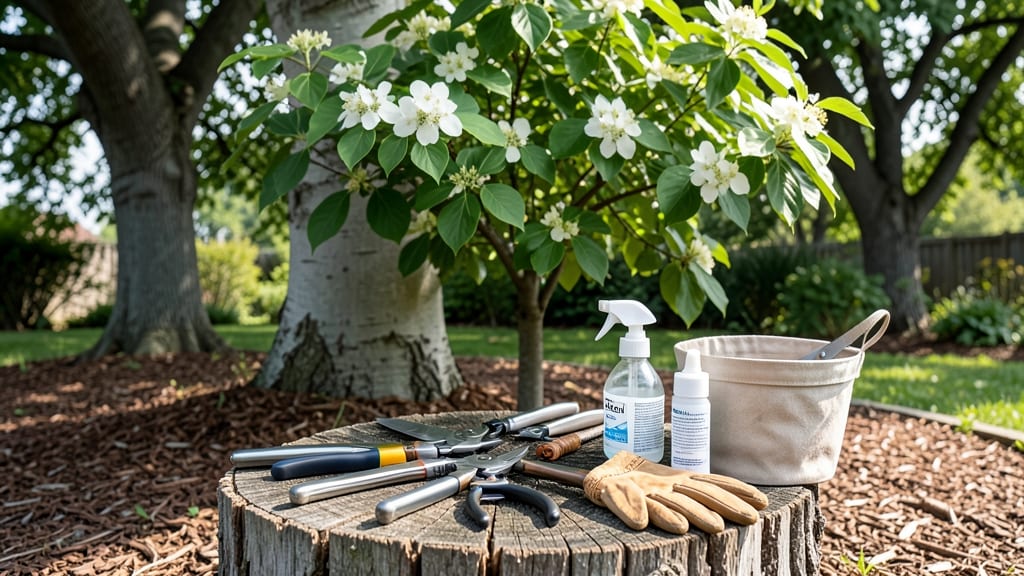
Watch this how to prune a dogwood tree video—it can double next year’s blooms if you time it right. ✂️ I’ve watched dogwoods go from sparse spring flowers to full, vibrant displays after a single proper trim, and the key is timing, tools, and technique.
The best time to prune is late winter or early spring, before buds swell but after the worst cold snaps—this gives the tree time to heal before summer heat stress.
You’ll need basic tools: sharp bypass pruners for clean cuts, thick gloves to protect from thorns, and rubbing alcohol or bleach wipes to sanitize tools between cuts. Avoid over-pruning—dogwoods are sensitive, and removing more than 25% of the canopy at once can shock the tree.
Start by removing dead, diseased, or crossing branches first, then thin out crowded areas to improve airflow and sunlight penetration.
What you’ll end up with is a healthier, more productive tree that blooms more reliably each spring. The cuts should look clean and angled away from the branch collar, never leaving stubs.
You’ll also notice fewer pests and diseases creeping in, thanks to better airflow through the canopy. This method works for both flowering dogwoods (Cornus florida) and ornamental varieties.
For safety, always look up before you cut—avoid power lines or hidden branches. If your dogwood is young, wait until it’s at least 3-4 feet tall before pruning.
The goal is to shape it naturally while encouraging strong growth. Ready to see those blooms explode? Let’s get started with the full step-by-step process.
📚 In This Guide
- What you need
- Instructions
- Tips and common mistakes
- Wrapping up and next steps
What you need
- ● Pruning shears: Bypass pruners (for small branches, ¼" to ¾" thick)
- ● Loppers: For medium branches (1" to 2" in diameter)
- ● Pruning saw: For thicker branches (2" or larger) – hand saw or folding pruning saw
- ● Gloves: Heavy-duty gardening gloves (to protect from thorns and rough bark)
- ● Disinfectant: 70% isopropyl alcohol or a pruning sealant (to prevent disease spread)
- ○ Extension pole: Optional but helpful for high branches (with a saw or lopper attachment)
- ● Bucket or trash bag: For collecting pruned branches and debris
- ● Weather: Prune on a dry, calm day (avoid rain or wind)
- ● Time of year: Best done after flowering (late spring to early summer) or in dormant season (winter)
- ● Safety gear: Safety glasses (to shield from debris) and closed-toe shoes
- ● First-aid kit: Just in case (dogwood thorns can be sneaky!)
Step-by-step trimming for healthy dogwood trees
Here's how I prune dogwoods to keep them blooming beautifully for decades.
✂️ Step 1: Time Your Pruning for Peak Health
Prune dogwoods immediately after their spring blooms fade but before new buds form. This timing—typically late May to early June—ensures you don't accidentally cut off next year's flowers. Dogwoods bloom on old wood, so any pruning too early risks removing flower buds that formed the previous summer.
Watch for the blooms to drop completely before reaching for your pruners. If you see new growth starting, you've waited too long. The tree's energy is already shifting toward next year's flowers, and late pruning can stress it unnecessarily.
✂️ Step 2: Remove Dead, Diseased, or Crossing Branches First
Start by eliminating any branches that are dead, diseased, or rubbing against others. These are your priority targets because they drain energy from the tree. Use clean, sharp pruners to make cuts just outside the branch collar—the swollen area where the branch meets the trunk. This ensures proper healing.
Look for branches with blackened leaves, fungal growth, or hollow centers. These are clear candidates for removal. Also check for branches growing toward the center of the tree or crossing others—these compete for sunlight and air circulation. I always prune these first to improve airflow and reduce disease risk.
✂️ Step 3: Thin the Canopy for Better Light Penetration
Selectively remove 20-30% of the tree's branches to open up the canopy. Focus on branches growing inward or downward, which block light from reaching the center. Aim to create an open, vase-like shape that allows sunlight to reach all parts of the tree.
Start at the outer edges and work your way in. Remove branches that are thinner than a pencil with hand pruners, and larger branches with a pruning saw. Make cuts at a 45-degree angle just outside the branch collar. This encourages faster healing and prevents water from pooling in the wound.
✂️ Step 4: Shape the Tree for Balance and Aesthetics
Now it's time to refine the tree's shape. Dogwoods naturally grow with a single trunk and layered branches, so avoid creating a bushy, multi-trunk appearance. Focus on maintaining the tree's natural form while removing any branches that disrupt its symmetry.
Step back frequently to assess the tree's overall shape. You want a balanced silhouette with no heavy concentrations of branches on one side. Avoid over-pruning—dogwoods are sensitive to excessive cutting. Limit yourself to removing no more than 25% of the tree's foliage in a single session.
💧 Step 5: Clean Up and Monitor for Recovery
After pruning, collect and dispose of all debris to prevent disease spread. Sterilize your pruners with rubbing alcohol between cuts if you're working on multiple trees. Apply a thin layer of pruning sealant to cuts larger than ½ inch to protect the tree from pests and diseases.
Water the tree deeply after pruning to help it recover. Monitor the tree closely over the next few weeks for any signs of stress, such as wilting leaves or unusual discoloration. Dogwoods typically recover well from pruning, but heavy pruning can cause temporary stress. Keep the soil consistently moist but not waterlogged during the growing season.
Tips & tricks for pruning dogwood trees like a pro
These little details make all the difference between a tree that thrives and one that struggles. I've learned these the hard way after seeing dogwoods decline from improper pruning.
Timing is Everything: The late May to early June window is critical because dogwoods bloom on old wood. If you prune too early, you risk cutting off next year's flowers before they even form. I mark my calendar right after spring blooms fade—this ensures I'm ready to act as soon as the flowers drop completely. Trust me, that first flush of new growth is your signal to stop waiting!
Branch Collar Matters More Than You Think: When removing branches in Step 2, always cut just outside the branch collar—the swollen area where the branch meets the trunk. This might seem like a small detail, but cutting too close can damage the tree's healing mechanism. I've seen too many pruning wounds fail to heal properly because this crucial step was skipped. Use sharp pruners and make clean cuts at a 45-degree angle to minimize damage.
Canopy Thinning Strategy: The 20-30% branch removal in Step 3 isn't arbitrary—it's the sweet spot for maintaining airflow without stressing the tree. Focus on removing branches that grow inward or downward first, as these are the biggest light blockers. I start at the outer edges and work my way in, which helps me visualize the open vase shape we're aiming for. Remember, thinner branches (smaller than a pencil) can often be removed by hand, while larger ones need a pruning saw.
Post-Pruning Recovery Boost: After finishing all your cuts, don't just walk away! Collect and dispose of all debris immediately to prevent disease spread. I keep rubbing alcohol handy to sterilize my pruners between cuts, especially when working on multiple trees. For cuts larger than ½ inch, a thin layer of pruning sealant can make a big difference in preventing pests and diseases from entering the wound. Deep watering afterward helps the tree recover faster—think of it as giving your dogwood a drink after its "surgery."
Pro Tips for Prune A Dogwood Tree Video
- These little details make all the difference between a tree that thrives and one that struggles.
- Timing is Everything: The late May to early June window is critical because dogwoods bloom on old wood.
- Branch Collar Matters More Than You Think: When removing branches in Step 2, always cut just outside the branch collar—the swollen area where the branch meets the trunk.
Frequently asked questions
Got questions about pruning your dogwood tree? Here are some of the most common ones—and their answers—to help you feel confident before grabbing those pruners!
When is the best time to prune a dogwood tree?
The ideal time to prune dogwood trees is right after they finish blooming (late spring to early summer). This ensures you don’t cut off next year’s flowers while still removing dead or overgrown branches. Avoid pruning in late summer or fall, as it can stimulate new growth that may not harden off before winter.
Can I prune a dogwood tree in winter?
Pruning in winter (dormant season) is not recommended for dogwoods, especially in cold climates. Cold snaps can stress the tree, and open wounds take longer to heal. If you must prune in winter, do so on a mild day and avoid heavy cuts. Spring is always the safer bet!
What if I accidentally cut into the trunk or large branches?
Don’t panic! Small cuts into the trunk or large branches can be sealed with pruning paint or wound dressing to prevent disease. For larger wounds, focus on keeping the area clean and dry. If the cut is deep or the tree shows signs of stress (yellowing leaves, oozing sap), consult an arborist for professional advice.
How much can I trim off a dogwood tree?
Dogwoods are sensitive to heavy pruning—never remove more than 25% of the tree’s foliage at once. Over-pruning can weaken the tree, reduce flowering, and even lead to dieback. If your tree is severely overgrown, space pruning efforts over 2–3 years to give it time to recover.
Will pruning my dogwood tree make it bloom more?
Pruning doesn’t guarantee more blooms, but it can improve flower quality by removing crowded branches and encouraging airflow. Focus on selective pruning—cutting back only dead, crossing, or overly dense growth. Healthy, well-maintained dogwoods naturally produce stunning spring blooms with minimal intervention!
Wrapping up and next steps
Pruning your dogwood tree doesn’t have to be intimidating—with the right tools, timing, and technique, you’ll keep it thriving and blooming beautifully for years! 🌸 Remember to remove dead branches, thin out crowded growth, and shape it gently to encourage air circulation and vibrant flowers.
Watching a step-by-step video guide can make the process even smoother, so don’t hesitate to revisit one for extra confidence.
Now that you’re armed with knowledge, grab your pruners and get started! Your dogwood will thank you with stunning blooms and a healthier structure. Need more inspiration? Check out our related pruning tips or share your progress with the gardening community—happy pruning! ✂️🌿