
Pruning
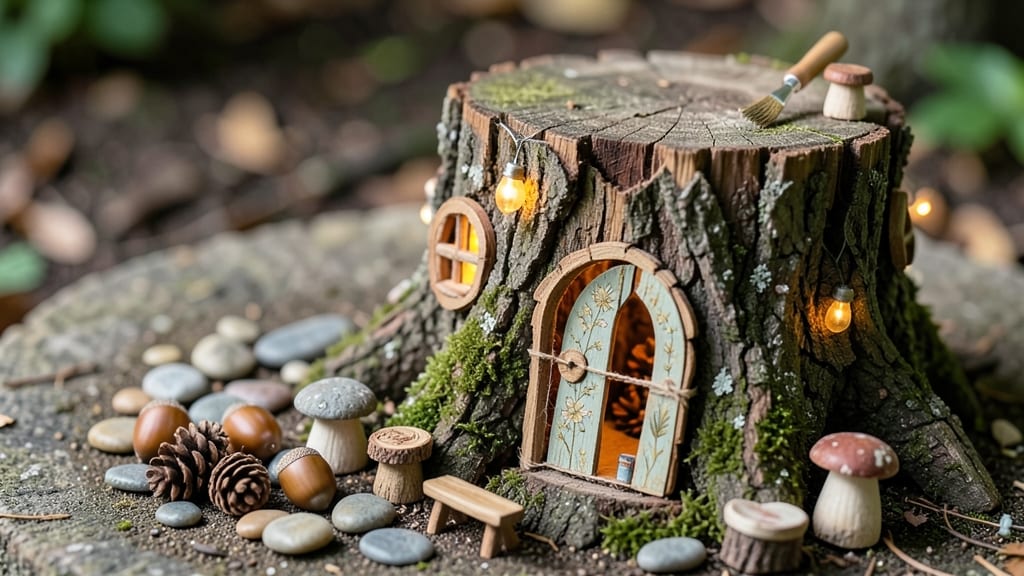
Building a fairy house out of a tree stump transforms a garden staple into a magical hideaway by carving out the center for living space, lining it with soft moss, and decorating with natural elements like bark shingles and pebble pathways. Choose a sturdy, weather-resistant stump to create a lasting fairy dwelling that blends seamlessly with your outdoor decor.
This project turns an ordinary stump into a whimsical fairy retreat that attracts wildlife while adding charm to your garden. 🌿 The key is selecting a stump with natural hollows or carefully carving one that won't rot quickly—oak or maple work best.
For extra durability, seal the interior with a natural wood preservative before adding your moss walls and twig furniture. I've seen these tiny homes last for years when built on raised platforms to prevent moisture damage.
The magic happens in the details: use acorn caps as stools, dried flowers as curtains, and tiny mushrooms as lamps. Pebble pathways not only look enchanting but also help with drainage. For a touch of realism, add a few drops of water near the entrance to mimic a fairy fountain.
The best part? Your fairy house will evolve over time as natural elements like lichen grow on it, making each visit to your garden feel like discovering a new world.
💡 In This Article
- Selecting and Preparing the Perfect Tree Stump for Fairy Houses
- Natural Decorating Ideas for Tree Stump Fairy Homes
Selecting and preparing the perfect tree stump for fairy houses
Not all tree stumps make ideal fairy homes—durability and size matter most. Look for stumps from hardwood trees like oak, maple, or beech, which resist rot better than softwoods like pine.
A stump with a natural hollow or one that’s 6-12 inches in diameter provides the perfect scale for fairy-sized furniture. Avoid stumps with deep cracks or excessive fungal growth, as these can compromise stability.
The best candidates often come from trees that were removed in late winter or early spring, when the wood is still relatively dry and less prone to rapid decay. 🌳
Preparing the stump involves two key steps: cleaning and hollowing. First, remove any loose bark or debris with a wire brush or chisel, then sand the surface lightly to create a smooth base for your fairy home.
For hollowing, use a 1-inch wood bit on a power drill to carve out the center—stop about 2-3 inches deep to leave enough structural integrity. If you’re working with a solid stump, start small and gradually widen the space to avoid splintering.
Pro tip: Place the stump on a raised platform (like bricks or a wooden plank) to prevent moisture buildup at the base, which can accelerate rot.
The interior of your fairy house needs a moisture barrier to last. Line the hollow with a layer of waterproof landscape fabric, then add a 1-inch layer of sand or small gravel for drainage before filling with moss. This prevents water from pooling and keeps the structure dry.
For extra protection, seal the edges with a natural wood preservative or beeswax, which also adds a subtle sheen that enhances the fairy-tale aesthetic. The goal is to mimic the natural look of a tree hollow while ensuring longevity—think of it as giving your fairies a cozy, weatherproof cottage! ✨
Natural materials play a crucial role in both durability and aesthetics. Use sheet moss** (like reindeer moss) for walls, as it’s soft, lightweight, and holds its shape well. For roofing, overlap thin bark slices or use pine needles for a rustic thatched look.
Avoid heavy materials like large rocks or thick branches, which can weigh down the structure. Instead, opt for lightweight decor like acorn caps, seed pods, and dried flowers. These elements not only look magical but also allow the stump to breathe, reducing the risk of mold or mildew. 💫
Consider the stump’s placement in your garden—the ideal spot gets partial shade to protect the moss from drying out but still receives indirect sunlight for visibility. If your climate is rainy, angle the stump slightly to shed water, or add a tiny overhang using bark pieces.
Over time, your fairy house will blend seamlessly into the landscape, with lichen and moss growing naturally to enhance its charm. The best part? This project encourages creativity while using zero synthetic materials, making it both eco-friendly and enchanting.