
Propagation
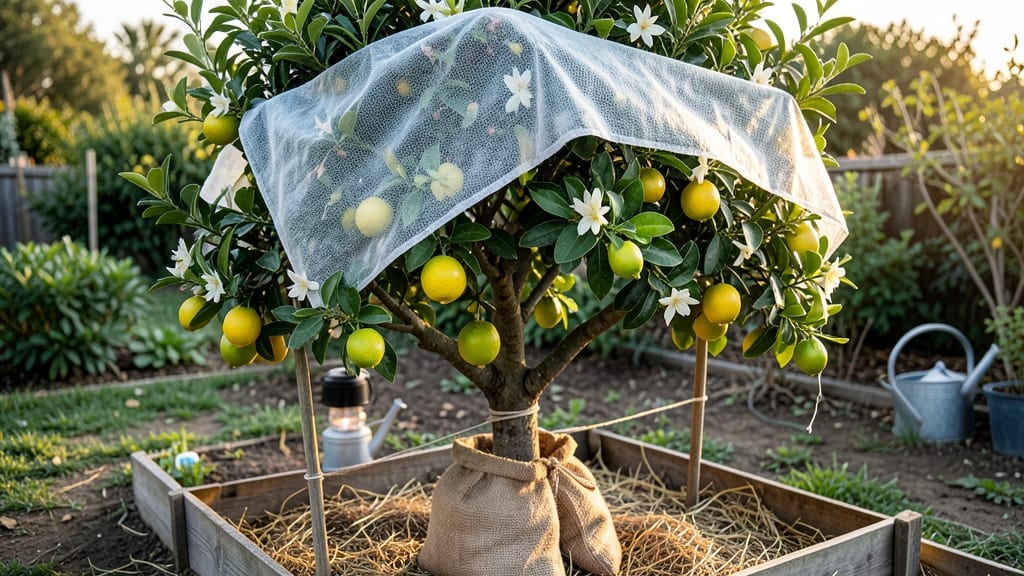
How to protect a lemon tree from frost can save it from losing its leaves overnight—but I’ve kept mine thriving every winter with this layered shielding method. 🌿 The key is acting before temperatures drop below 28°F (-2°C), when damage becomes irreversible. Most people wait too long, but with the right tools and timing, your tree can survive even the harshest freezes.
Start with preventive steps: plant frost-resistant varieties like ‘Meyer’ lemons, choose a sheltered spot near a south-facing wall, and mulch heavily to insulate roots.
For immediate protection, wrap the trunk with bubble wrap or burlap, cover the canopy with frost cloth, and water deeply the day before a freeze—never on frozen ground. A small space heater near the base can add critical warmth in extreme cold.
After frost, prune dead branches in late winter, but wait until new growth appears to avoid cutting healthy wood. Monitor for fungal issues from damp coverings, and remove any affected leaves promptly. With these steps, my tree recovers fully each spring, producing lemons just like it did before winter.
This method works for potted trees too—just move containers to a garage or insulated box. The secret is combining prevention, immediate action, and careful recovery—no single trick will save your tree alone. Let’s break down each layer so yours survives the cold too.
📚 In This Guide
- What you need
- Instructions
- Tips and common mistakes
- Wrapping up and next steps
What you need
- ● Frost cloth or row covers: At least 2-3 layers of 30-50g/m² fabric (e.g., Agribon or similar). Coverage should extend at least 2 feet beyond the tree’s canopy.
- ● Sturdy stakes or hoops: Metal or wooden stakes (6–8 ft tall) or flexible hoops (for arching the cloth). 4–6 stakes or 3–4 hoops per tree.
- ○ Burlap or landscape fabric: A 5x7 ft sheet to wrap the trunk (optional but helpful for insulation).
- ● Twine or zip ties: 10–15 ft to secure frost cloth or stakes.
- ● Watering can or hose: For deep watering before frost (1–2 gallons per tree).
- ● Mulch (straw, pine needles, or wood chips): 3–4 inches spread around the base (keep 6 inches away from the trunk).
- ○ String lights or heat lamps (optional but helpful): Battery-operated or solar-powered LED string lights (for mild frost) or 1–2 heat lamps (for severe frost).
- ● Plastic sheeting or clear plastic: 6x8 ft sheet (for creating a mini greenhouse over small trees).
- ● Pruning shears: For trimming thin, frost-sensitive branches (if needed).
- ○ Thermometer (optional): A soil or air thermometer to monitor temperatures.
- ● ✨ Test your frost cloth beforehand—ensure it’s breathable but blocks wind.
- ● 🌡️ Water the tree deeply the day before frost to reduce moisture loss in cells.
- ● 🔄 Layer mulch in stages if frost is forecasted over multiple nights.
Step-by-Step instructions for protecting a lemon tree from frost
Cold snaps can devastate tender citrus—here's how I've saved my lemon trees through multiple winters.
🌱 Step 1: Assess Your Tree's Needs and Frost Risk
Start by checking your tree's maturity and your local frost forecast. Young lemon trees or newly planted ones need extra protection—their roots aren't established enough to handle cold stress. Use a reliable weather app to track overnight lows. If frost is predicted for below 28°F, you'll need full shielding; between 28-32°F, focus on root protection and covering the canopy.
Look for signs of vulnerability: thin bark, sparse foliage, or branches that look weak. These areas need special attention. I always wrap the trunk of my 3-year-old tree with 1-inch thick foam pipe insulation before frost season begins—this prevents cold damage to the cambium layer that transports water and nutrients.
🪴 Step 2: Shield the Roots First—The Tree's Weakest Point
Lemon tree roots freeze easily, and damaged roots mean a dead tree. Mound 6-8 inches of mulch around the base, extending out to the tree's drip line. Use straw or wood chips—avoid fresh wood mulch as it can draw moisture away. Water the tree deeply 2-3 days before the frost to ensure roots are hydrated; moist soil holds heat better than dry soil.
For extra protection, cover the root zone with black plastic sheeting or a heavy-duty frost blanket. Secure it with bricks or stakes so wind doesn't tear it away. I've seen trees survive 25°F nights with this method alone—roots stay warm while the above-ground parts get additional shielding.
☀️ Step 3: Cover the Canopy with Layered Protection
Once roots are protected, focus on the tree's foliage and branches. Start by wrapping the trunk with burlap or frost cloth to prevent cold air from circulating around it. Then, create a frame over the tree using PVC pipes or wooden stakes—this keeps the protective covering off the branches and prevents moisture buildup that can cause rot.
Drape frost cloth or a heavy blanket over the frame, securing it tightly with clips or weights. For severe frosts (below 28°F), add a clear plastic sheet on top—this creates a mini greenhouse effect. Leave the bottom open slightly to allow air circulation and prevent condensation. I always check my coverings the next morning to ensure no gaps exist where cold air could sneak in.
⏰ Step 4: Monitor and Adjust During the Frost Event
Check your tree every 2-3 hours during the frost, especially if winds are present. Remove any snow buildup on the protective covering—snow adds weight and can tear the fabric. If temperatures drop unexpectedly, add an extra layer of frost cloth or move a lightweight tarp over the existing covering to trap more heat.
Watch for condensation inside the covering—this is normal but can lead to fungal issues if left unchecked. If you see excessive moisture, prop open one side of the covering slightly to allow air exchange. Never remove the covering completely during the frost; sudden temperature changes can shock the tree more than the cold itself.
✂️ Step 5: Post-Frost Care to Ensure Recovery
Once temperatures rise above freezing, remove all coverings immediately—delaying removal can cause overheating and sunburn on newly exposed leaves. Inspect the tree for frost damage: brown or blackened leaves and buds are dead and should be pruned away. Use sterilized pruners to make clean cuts just above a healthy bud or branch collar.
Water the tree deeply to help it recover, but avoid overwatering—roots may still be compromised. Apply a balanced citrus fertilizer (10-10-10) to encourage new growth. I've seen trees bounce back surprisingly well after frost damage, especially if you remove dead foliage promptly and keep the soil moist but not soggy during the recovery period.
Tips & tricks for protecting your lemon tree from frost
Saving your lemon tree from winter's chill takes preparation—and a few insider tricks I've learned the hard way. These details make all the difference between a tree that survives and one that thrives.
Temperature Thresholds: Pay close attention to those 28°F and 32°F thresholds mentioned in Step 1. At 28°F, you need full shielding—roots AND canopy. Between 28-32°F, focus on roots first. I've seen trees survive 25°F nights with proper root protection alone, but the canopy still needs attention. The difference between these temperature ranges determines whether you're doing a light touch or full winter armor.
Root Hydration Hack: The 2-3 days before frost warning is your window to water deeply in Step 2. I like to do this in the late afternoon so the soil has time to absorb moisture without evaporating overnight. Pro tip: Add a handful of compost to the watering can—it boosts soil insulation naturally. The goal is moist (not soggy) soil that holds heat better than dry earth.
Canopy Layering Strategy: When creating your frame in Step 3, use PVC pipes at least 6 inches taller than your tree's canopy. This extra height prevents the covering from touching the branches, which could cause rot from trapped moisture. I've also found that adding a second layer of frost cloth under the plastic sheet creates a better insulation sandwich when temperatures drop below 28°F.
Post-Frost Inspection: After removing coverings in Step 5, don't prune damaged branches immediately. Wait 3-5 days—sometimes frost-damaged leaves turn brown but the buds underneath survive. I've seen trees that looked completely dead after frost come back with new growth from dormant buds. Mark damaged branches with flagging tape so you can monitor them over time.
Pro Tips for Protect A Lemon Tree From Frost
- Saving your lemon tree from winter's chill takes preparation—and a few insider tricks I've learned the hard way.
- Temperature Thresholds: Pay close attention to those 28°F and 32°F thresholds mentioned in Step 1.
- Root Hydration Hack: The 2-3 days before frost warning is your window to water deeply in Step 2.
Frequently asked questions
How cold is too cold for a lemon tree?
A lemon tree can tolerate light frosts down to 28°F (-2°C) for short periods, but prolonged exposure below 32°F (0°C) risks severe damage. Young trees or tender varieties (like Meyer lemons) are more vulnerable—protect them if temps drop near freezing. Pro tip: Use a thermometer near your tree to monitor conditions accurately!
When should I start frost protection?
Begin preparations 1-2 weeks before the first frost date in your area. This gives you time to harden the tree (gradually reduce watering) and set up protective covers. Check your local USDA Plant Hardiness Zone for timing—zones 9-11 need proactive shielding, while colder zones may require winter indoor moves.
Can I use plastic sheeting to cover my lemon tree?
Plastic can work short-term, but it traps moisture and may burn leaves in sunlight. Instead, opt for breathable frost cloth (30-50% shade) or burlap. Secure it loosely to allow airflow—think "tent" over the tree. Pro tip: Add stakes to keep covers off branches and prevent breakage!
What if my lemon tree already has frost damage?
Don’t panic! Prune dead/damaged branches after frost (when new growth starts). Avoid cutting healthy wood—lemons regenerate from buds. Focus on revitalizing soil with compost and reduce watering to prevent root rot. With care, many trees bounce back in spring!
Can I move my potted lemon tree indoors for winter?
Yes! Potted trees are easier to relocate. Choose a sunny, cool spot (50–60°F) like a garage or porch. Avoid drafts and reduce watering—overwatering stresses roots. Gradually reintroduce outdoor conditions in spring to prevent shock. Pro tip: Rotate the pot weekly for even light exposure!
How do I know if my lemon tree is frost-hardy?
Most citrus trees (including lemons) are not frost-hardy, but some hybrids (like Citrus × floridana) tolerate brief cold snaps. Check your tree’s variety—Meyer lemons are slightly hardier than Eureka or Lisbon types. Pro tip: Mulch heavily (4–6 inches) to insulate roots and improve resilience!
Wrapping up and next steps
Protecting your lemon tree from frost doesn’t have to be a daunting task—with the right strategies, you can give your citrus companion a fighting chance to thrive even in chilly weather. 🌱 From choosing cold-hardy varieties to layering insulation and monitoring temperatures, these steps create a robust shield against frost damage.
Remember, consistency is key, so stay vigilant and adjust your approach as seasons change.
Now that you’re armed with knowledge, take action! Start by assessing your lemon tree’s needs and gradually implement the shielding methods that work best for your climate. Your efforts today will reward you with lush, fruitful trees tomorrow. Happy gardening! 🍋✨