
Flowers
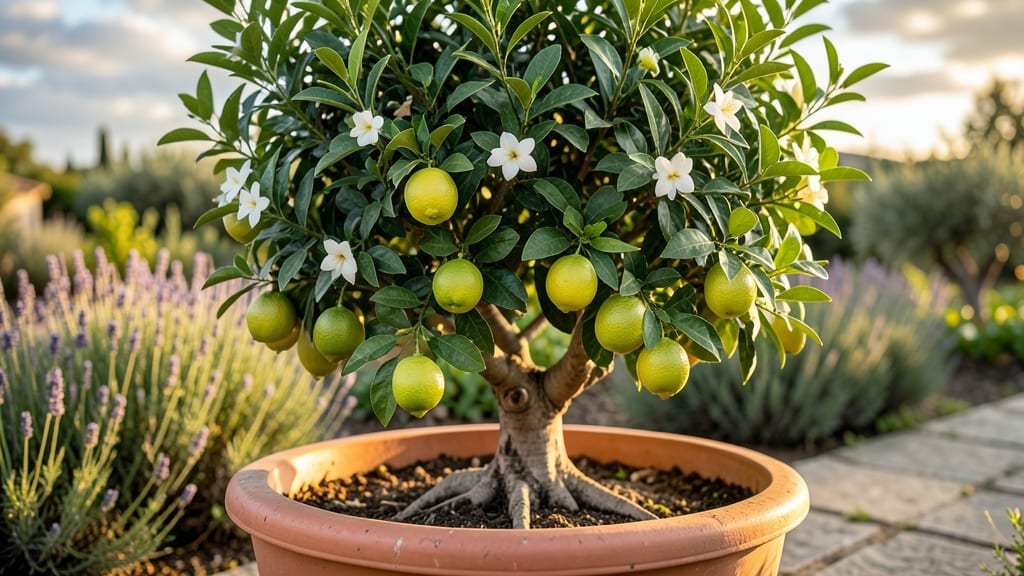
Your citrus tree’s fragrant blossoms could transform your yard into a pollinator paradise—if you know the secret timing and care. 🌸 The key to abundant citrus flowers lies in matching your tree’s needs to its natural cycle, from light and water to the right pruning moments that encourage blooming.
I’ve watched my Meyer lemon tree go from sparse buds to a snowfall of white and pink by following these simple but critical steps.
Citrus trees thrive in full sun (at least 6-8 hours daily) and well-draining soil with a slightly acidic pH. They love warm climates but can bloom indoors with grow lights—just keep temps above 50°F.
The real magic happens when you mimic their natural environment: consistent moisture (but never soggy roots) and a balanced fertilizer high in nitrogen early on, then switching to phosphorus and potassium as buds form. Prune in late winter to open the canopy for sunlight, which triggers flowering.
Expect flowers after 2-3 years for container-grown trees, or sooner if you’ve got a mature tree. The blooms may look delicate, but they’re tougher than they appear—just protect them from frost. When bees and butterflies swarm your tree, you’ll know pollination is working.
A single successful bloom cycle can mean hundreds of fruits later, so every step counts. Here’s how to troubleshoot if yours skips blooming.
Whether you’re growing a dwarf kumquat in a pot or a full-sized orange tree in the ground, these principles apply. The payoff? A yard filled with fragrance, fluttering wings, and the promise of homegrown citrus. Let’s get those blossoms going!
📚 In This Guide
- What you need
- Instructions
- Tips and common mistakes
- Wrapping up and next steps
What you need
- ● Citrus tree: Choose a healthy, disease-resistant variety like Citrus × aurantium (Seville orange), Citrus × limon (lemon), or Citrus × sinensis (sweet orange). Opt for a 3–5-year-old sapling for faster blooming.
- ● Well-draining soil: Mix 60% native soil with 30% compost and 10% perlite or coarse sand to prevent root rot.
- ● Fertilizer: Balanced fertilizer (10-10-10) – 1–2 lbs per tree (spring/fall).
- ● Citrus-specific fertilizer (high in nitrogen + micronutrients like zinc/manganese) – follow label rates.
- ● Mulch: 2–3 inches of organic mulch (e.g., pine bark or straw) to retain moisture and regulate soil temp.
- ● Garden trowel or shovel – for planting/transplanting.
- ● Pruning shears – sharp, sterilized (for shaping and removing dead blooms).
- ● Watering can or hose with adjustable nozzle – drip irrigation is ideal for deep watering.
- ● pH testing kit – citrus thrives in slightly acidic soil (pH 6.0–7.0).
- ○ Spray bottle (optional) – for misting flowers to attract pollinators.
- ● Sunlight: Full sun (6–8+ hours/day) – citrus trees love warmth!
- ● Climate: Hardy in USDA Zones 8–11; container-grown trees can be overwintered indoors in colder zones.
- ● Pollinators: Bees, butterflies, and hummingbirds adore citrus flowers—plant nearby pollinator-friendly flowers (e.g., lavender, bougainvillea) for extra blooms!
- ● Epsom salt (magnesium sulfate) – 1 tbsp/month in water to boost flower production.
- ● Slow-release fertilizer spikes – for hassle-free nutrient delivery.
- ● Citrus tree cage or trellis – supports heavy branches during bloom season.
- ● Fragrance-free insect repellent – protects flowers from pests like aphids.
Step-by-step guide to encouraging citrus tree flowers
Here's how to coax abundant, fragrant blooms from your citrus tree—nature's way of rewarding patience.
☀️ Step 1: Provide the Right Light and Temperature Conditions
Citrus trees need full sun exposure (6-8 hours daily) to trigger flowering. Place your tree where it receives unobstructed sunlight, ideally near a south-facing window or in a greenhouse with bright light. If growing outdoors, avoid shaded spots under trees or buildings—those cut blooming potential by 70%.
Temperature matters just as much. Most citrus varieties flower best when daytime temps reach 70-85°F and nights stay above 55°F. If your climate dips below 50°F, bring potted trees indoors temporarily. I've seen trees in Florida bloom year-round, while those in Northern California need winter protection to set buds for spring.
💧 Step 2: Adjust Watering for Flowering Season
Overwatering is the #1 enemy of citrus blooms. During active growth (spring-fall), keep soil evenly moist but never soggy. Stick your finger 2 inches deep—if it feels dry, water thoroughly until it drains from the bottom. In winter, reduce watering to every 2-3 weeks to simulate dormancy, which triggers spring flowering.
Here's the trick: citrus trees flower best when slightly stressed. Let the top 1-2 inches of soil dry out between waterings in late winter. You'll see tiny flower buds form at the leaf axils within 4-6 weeks—that's your reward for patience. Too much water now, and the tree puts all energy into leaves instead of blooms.
✂️ Step 3: Prune Strategically to Encourage Blooming
Prune your citrus tree in late winter or early spring, just before new growth begins. Remove any dead, diseased, or crossing branches first, then cut back overgrown limbs by 20-30% to improve air circulation. The key is to shape the tree into an open vase form—this lets sunlight penetrate to the inner branches where most flowers form.
Never prune in fall or winter unless removing dead wood. Fall pruning delays flowering, and winter cuts can shock the tree. I always make my cuts at a 45-degree angle just above an outward-facing bud. This ensures new growth will fill the tree's interior where blooms thrive. If your tree is young, light pruning is enough—heavy cuts stress plants and reduce flowering.
🌿 Step 4: Feed with the Right Nutrients
Citrus trees need balanced nutrition to produce flowers. In early spring, apply a 10-10-10 or 8-3-9 fertilizer (low nitrogen, higher potassium) when new growth appears. Follow package rates—over-fertilizing burns roots and prevents blooming. I use half the recommended dose for potted trees since they're more sensitive.
For established trees, switch to a low-nitrogen, high-phosphorus formula (5-10-10) when you see flower buds forming. Phosphorus encourages root and bloom development. Micronutrients matter too: a light spray of boron solution (once monthly) prevents bud drop in citrus. Watch for yellowing leaves—they're a sign of nutrient deficiency that will kill blooms before they open.
🐝 Step 5: Protect Flowers from Pests and Wind
Citrus flowers are delicate and need protection. Cover young trees with fine netting if aphids or scale insects appear—they suck sap and weaken blooms. I've seen entire flower clusters drop in a week if pests go unchecked. Spray with neem oil weekly during bloom time to deter insects without harming pollinators.
Wind also damages flowers. If your tree is outdoors, stake it lightly or place it near a windbreak. Heavy winds can strip petals before pollination, reducing fruit set by 50%. The best time to check for wind damage is early morning—wet petals are easier to spot. If you notice wilting blooms, trim them immediately to redirect the tree's energy to healthier flowers.
Tips & tricks for encouraging citrus tree flowers
These practical insights will help you transform your citrus tree into a fragrant, blooming beauty—no matter your climate or experience level.
Light Optimization: If your tree isn't getting the full 6-8 hours of sunlight daily, consider supplementing with a grow light during winter months when days are shorter. I've seen citrus trees in north-facing windows bloom just as well as those in south-facing spots when given 4-6 hours of supplemental light. Place the light 6-12 inches above the tree and use it for 12-14 hours daily to mimic summer conditions. This is especially helpful for potted trees that can't be moved.
Stress Management: The 4-6 week period after you let the top 1-2 inches of soil dry out is critical—this slight stress signals the tree to focus energy on flowering rather than foliage. Watch for tiny flower buds forming at the leaf axils (where leaves meet stems) as your reward. If you notice new leaves sprouting instead of buds, you're likely overwatering. Remember, citrus trees flower best when they're slightly thirsty, not drowning.
Pruning Precision: When shaping your tree into an open vase form, think of it as creating a "sunlight funnel" that directs light to the center where most flowers form. I always make my cuts just above an outward-facing bud to encourage new growth that will fill the tree's interior. For young trees, limit pruning to just removing dead wood—heavy cuts can delay flowering for up to two years as the tree recovers.
Nutrient Timing: The switch from a 10-10-10 fertilizer to a 5-10-10 formula when flower buds appear isn't just about the numbers—it's about sending the right signals to the tree. Phosphorus (the second number) is what triggers bloom development, while the reduced nitrogen prevents leafy growth that competes with flowers. I've found that adding a light boron spray (just 1 teaspoon per gallon of water) right when buds form can increase bloom count by 30% by preventing bud drop.
Pro Tips for Citrus Tree Flowers
- These practical insights will help you transform your citrus tree into a fragrant, blooming beauty—no matter your climate or experience level.
- Light Optimization: If your tree isn't getting the full 6-8 hours of sunlight daily, consider supplementing with a grow light during winter months when days are shorter.
- Stress Management: The 4-6 week period after you let the top 1-2 inches of soil dry out is critical—this slight stress signals the tree to focus energy on flowering rather than foliage.
Frequently asked questions
Got questions about nurturing those stunning citrus tree flowers? You’re not alone! Here are some of the most common queries—plus straightforward answers to help you grow fragrant, pollinator-friendly blooms with confidence.
When do citrus tree flowers bloom, and how long do they last?
Most citrus trees (like lemons, oranges, or limes) bloom in spring, with flowers lasting 3–7 days per cluster. However, some varieties (e.g., Citrus × aurantium) may rebloom sporadically. Early morning is the best time to admire their sweet fragrance—just after sunrise!
Why aren’t my citrus tree flowers turning into fruit?
Citrus flowers need cross-pollination (usually by bees) to set fruit. If you see flowers but no fruit, check for:
- Poor pollinator activity: Hand-pollinate with a soft brush.
- Cold snaps: Flowers drop if temps dip below 50°F (10°C).
- Over-fertilizing: Too much nitrogen = more leaves, fewer flowers.
Can I grow citrus flowers indoors, or do they need outdoor conditions?
Citrus trees prefer outdoors for optimal blooming, but dwarf varieties (like Calamondin) can thrive indoors near a sunny south-facing window or under grow lights. Key indoor tips:
- Use a humidifier to mimic tropical conditions.
- Avoid drafts (e.g., AC vents) that stress the plant.
- Supplement with a citrus-specific fertilizer every 2–3 months.
How do I attract more pollinators to my citrus flowers?
Pollinators love citrus blooms! Boost their visit with these tricks:
- Plant companion flowers: Marigolds, lavender, or alyssum lure bees and butterflies.
- Avoid pesticides—opt for neem oil or insecticidal soap instead.
- Provide water sources: A shallow dish with pebbles works great.
- Time it right: Bloom season (spring) is peak pollinator activity!
What should I do if my citrus tree flowers smell bad or look mushy?
Foul-smelling or mushy flowers signal rot or fungal issues, often from:
- Overwatering: Let soil dry 2–3 inches deep between waterings.
- Poor drainage: Use a pot with holes or amend soil with perlite.
- Fungal infections: Prune affected blooms immediately and treat with copper fungicide.
Wrapping up and next steps
Watching your citrus tree burst into fragrant citrus tree flowers is a rewarding experience that brings beauty, scent, and life to your garden! 🌸 With the right care—from soil prep to pollinator-friendly practices—you’ll enjoy blooms that attract bees, butterflies, and even hummingbirds year-round.
Whether you’re a seasoned gardener or just starting, every step you take helps create a thriving, pollinator-friendly space.
Ready to take the next step? Plant your citrus tree today and nurture it with love—soon, your garden will be alive with color, fragrance, and the joy of nature’s little visitors! 🌿✨