
Planting
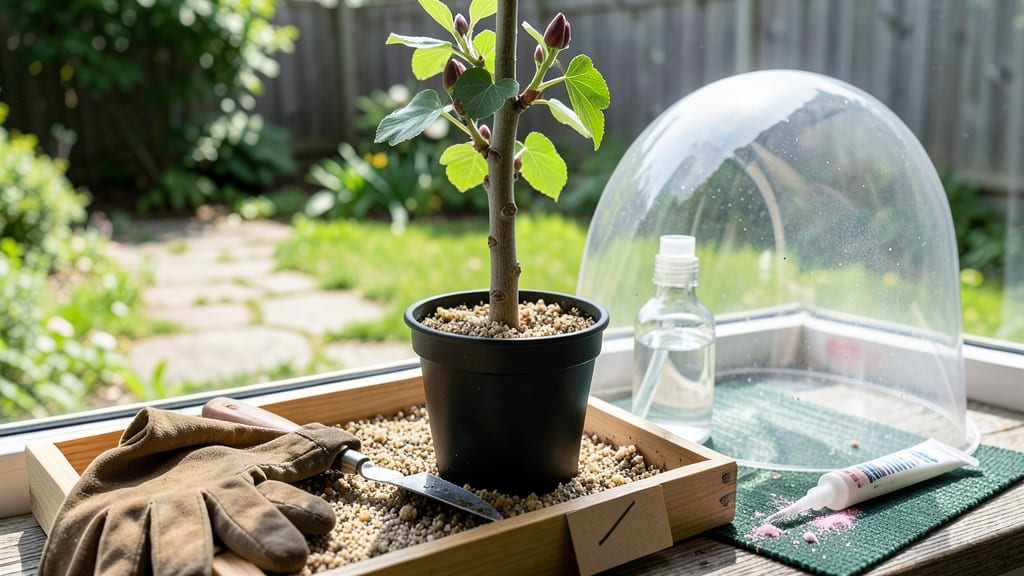
Planting a fig tree from a fig is like unlocking a time capsule of sweet rewards. 🌱 The process starts with a ripe fig—one that's soft to the touch and packed with flavor—because not all figs will sprout.
I've learned that patience is key: these seeds can take 6-12 months just to crack open, and years before you see fruit. But the journey is worth it when you finally taste your homegrown harvest.
The secret lies in the method: whether you soak the seed in water for faster germination or plant it directly in soil, moisture and warmth are everything. I've tried both, and while water germination is faster, soil planting mimics nature's way.
Just avoid the temptation to overwater—fig seeds rot faster than they sprout. A well-draining mix keeps them happy, and a sunny spot (or grow light) ensures they get the energy they need to break through.
Once your little sprouts emerge, you'll notice their delicate leaves and stubborn growth—this is where most people give up. But with consistent care, you'll nurture a sturdy seedling ready for transplanting in 6-12 months.
The real magic happens years later, when your tree finally bears fruit, and you can say, "I grew that." The smell of a ripe fig on the vine is a reward no gardener forgets.
This method works for any fig variety, from the classic Brown Turkey to the sweet Black Mission. Whether you're a beginner or a seasoned propagator, the joy of growing from seed is unmatched.
Just remember: fig trees are patient, and so should you be. The wait is part of the adventure.
📚 In This Guide
- What you need
- Instructions
- Tips and common mistakes
- Wrapping up and next steps
What you need
- ● Fresh, ripe figs – Choose organic, pesticide-free figs with intact stems (2–4 figs per attempt).
- ● Sharp pruning shears or knife – Sterilized to prevent disease (rubbing alcohol works!).
- ● Well-draining potting mix – A blend of cactus/succulent soil + perlite or sand (ratio: 2:1). Avoid heavy garden soil!
- ● Small pots or containers – 4–6 inches wide with drainage holes (plastic or terracotta).
- ○ Rooting hormone (optional but helpful) – Speeds up root growth (e.g., Clonex or Rooting Powder).
- ● Spray bottle with water – For gentle misting (distilled or room-temperature water).
- ● Clear plastic bag or plastic wrap – To create a humidity dome.
- ● Bright, indirect sunlight location – A sunny windowsill or grow light setup.
- ● Patience and care! – Figs can take 4–8 weeks to sprout roots.
- ● Heat mat – Keeps soil warm (70–75°F) for faster rooting.
- ● Humidity tray – Elevates pots over a water-filled tray with pebbles.
- ● Fertilizer (after rooting) – Diluted fish emulsion or balanced 10-10-10 (once leaves appear).
- ● Label markers – To track planting dates and varieties.
Step-by-Step instructions for planting a fig tree from a fig
Here’s my foolproof method for turning store-bought figs into thriving trees—no fancy tools or green thumbs required.
🌱 Step 1: Choose and Prepare Your Figs
Pick firm, ripe figs from the grocery store—avoid soft or bruised ones. I like to use Mission or Brown Turkey varieties since they root easily. Cut the fig in half horizontally to expose the stem base where it attached to the branch. Look for a small bump or node—this is your future root zone.
Rinse the cut sides under cool water to remove any residue, then pat dry with a paper towel. The fresher the cut, the better the rooting success. If you’re not planting immediately, store the halves in a paper towel-lined container in the fridge for up to 3 days. Don’t let them dry out or sit in moisture—they’ll rot before roots form.
💧 Step 2: Root the Figs in Water
Fill a small glass or jar with room-temperature water—just enough to cover the stem base by ½ inch. Place the fig halves cut-side down in the water, ensuring the stem (not the flesh) touches the liquid. Cover the jar loosely with plastic wrap or a lid to maintain humidity, but leave a tiny gap for airflow.
Set the jar in bright, indirect light—a windowsill facing east or west works perfectly. Change the water every 2-3 days to prevent bacterial growth. You’ll see tiny white roots emerge in 2-4 weeks. Once roots reach 1-2 inches long, they’re ready for soil. Don’t wait too long—long roots get tangled easily.
🪴 Step 3: Plant the Rooted Figs in Soil
Use a small pot (4-6 inches wide) with well-draining potting mix—figs hate soggy roots. Fill the pot halfway, then gently place your rooted fig cut-side down into the soil. The stem should sit just below the surface, with the fig half exposed above. Press the soil lightly around the base to secure it.
Water lightly until moisture seeps out the drainage hole, then let it drain completely. Place the pot in bright, indirect light for the first week to help it adjust. After that, move it to a sunny spot with at least 6 hours of direct sunlight daily. You’ll notice new growth within 3-4 weeks—that’s your sign the tree is thriving.
☀️ Step 4: Care for Your New Fig Tree
Water your fig tree when the top inch of soil feels dry—stick your finger in to check. Overwatering is the #1 killer of young figs, so err on the side of dryness. Once established, figs are drought-tolerant, but consistent moisture helps roots grow strong.
After 6-8 weeks, fertilize lightly with a balanced, water-soluble fertilizer (like 10-10-10) diluted to half strength. Figs grow fast, so repot into a larger container (8-10 inches wide) if roots crowd the pot. In Zone 8 and warmer, you can plant outdoors after the last frost—but keep it in a pot for flexibility.
✂️ Step 5: Prune and Encourage Fruit Production
Once your fig tree reaches 12-18 inches tall, prune back any leggy growth to encourage bushier shape. Cut just above a leaf node where new branches will sprout. Figs fruit best on new wood, so prune in late winter or early spring before growth resumes.
If your tree flowers but no fruit forms, it might need more sunlight or warmth. Figs need hot days and cool nights to set fruit—outdoor trees in cooler climates may need a winter chill period (30-40 days below 45°F). Indoor trees can fruit year-round with bright light and warmth. Patience is key—some trees take 2-3 years to bear fruit, but it’s worth the wait!
Tips & tricks for planting a fig tree from a fig
Here's what nobody tells you about growing fig trees from grocery store figs—these tricks will save you from common pitfalls.
Rooting Success: In Step 2, when you're waiting for roots to form, place your jar near a warm spot like above the fridge or near a sunny window. Warmth speeds up root development—you'll see those tiny white roots appear faster than expected. The key is keeping the water at room temperature, not cold from the fridge, to prevent shock.
Lighting Strategy: For the first 2-3 weeks during rooting, east-facing windows are ideal—they provide bright but indirect light that prevents leaf burn. If your only option is direct sunlight, use sheer curtains to diffuse the light. Too much direct sun can scorch the fig halves before roots even form.
Soil Preparation: In Step 3, don't skip the well-draining mix—figs absolutely hate soggy roots. I mix equal parts potting soil and perlite to create air pockets. If you're using regular garden soil, add sand or coconut coir to improve drainage. The goal is soil that feels like a damp sponge, not mud.
Pruning Insight: When pruning in Step 5, look for the leaf nodes where new branches emerge—they're the little bumps along the stem. Cut just above these nodes at a 45-degree angle to prevent water from pooling. This technique encourages bushier growth and more fruit production down the line.
Pro Tips for Plant A Fig Tree From A Fig
- Here's what nobody tells you about growing fig trees from grocery store figs—these tricks will save you from common pitfalls.
- Rooting Success: In Step 2, when you're waiting for roots to form, place your jar near a warm spot like above the fridge or near a sunny window.
- Lighting Strategy: For the first 2-3 weeks during rooting, east-facing windows are ideal—they provide bright but indirect light that prevents leaf burn.
Frequently asked questions
Got questions about propagating a fig tree from a fig? You’re not alone! Here are answers to the most common concerns—so you can grow with confidence.
Can I grow a fig tree from any fig I buy at the grocery store?
Most grocery store figs are not viable for propagation because they’re often treated with preservatives or harvested from sterile varieties. For best results, use organic, homegrown, or specialty figs from a nursery. Look for plump, unblemished figs with a small stem still attached.
How long does it take for a fig cutting to root and grow into a tree?
Rooting usually takes 4–8 weeks, depending on warmth, humidity, and care. Once rooted, your cutting may take 1–2 years to mature enough to produce fruit. Patience is key—fig trees grow slowly but reward you with decades of harvests!
What’s the best time of year to plant fig cuttings?
Spring or early summer (after the last frost) is ideal for planting fig cuttings. The soil is warm, and the tree has plenty of time to establish roots before winter. In warmer climates, you can also try fall propagation, but avoid winter when dormancy slows growth.
What if my fig cutting rots instead of rooting?
Rotting is often caused by overwatering, poor drainage, or fungal issues. To prevent it:
- Use a well-draining soil mix (like perlite + potting soil).
- Avoid soggy conditions—water only when the top inch of soil is dry.
- Trim any mushy, black parts and replant in fresh, dry soil.
- Add a fungicide (like cinnamon powder) to deter rot.
Can I grow a fig tree indoors, or does it need outdoor conditions?
Fig trees can thrive indoors near a sunny window (6+ hours of light daily), but they prefer outdoor warmth (USDA Zones 8–11). If growing indoors, use a grow light in winter and keep humidity high. However, outdoor figs produce bigger, sweeter fruit and grow faster.
Wrapping up and next steps
Growing a fig tree from a single fig is simpler than you think—and the reward of fresh, homegrown fruit is 100% worth the effort! 🌱 With the right patience, care, and a little green thumb love, your cutting will soon sprout roots and thrive.
Once your tree takes hold, watch it grow into a bountiful, sun-drenched centerpiece for your garden.
Ready to take the next step? Start small—plant your cutting in a pot or garden bed and keep nurturing it. Before you know it, you’ll be harvesting sweet, juicy figs straight from your backyard. Happy planting! 🌿