
How To
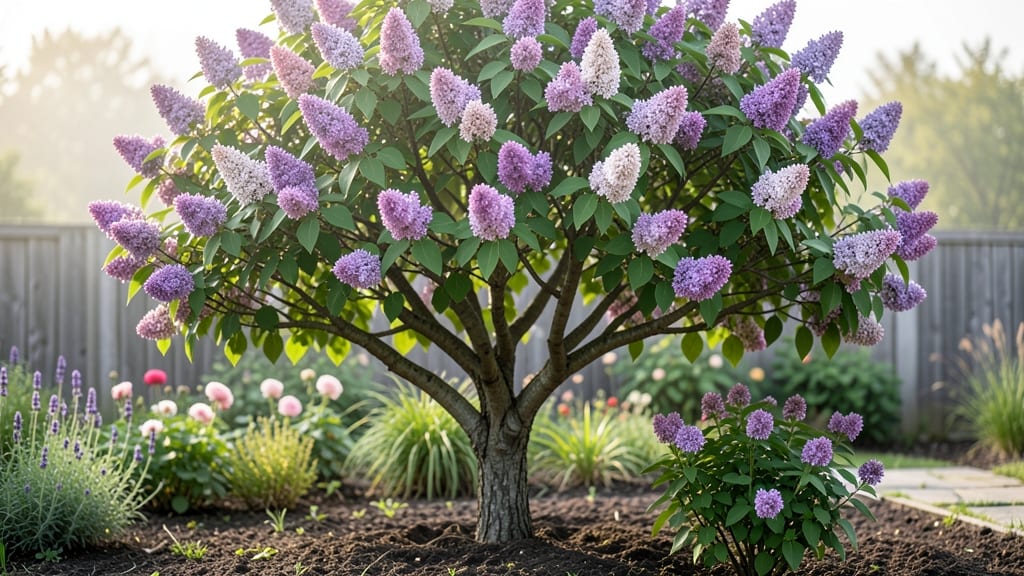
A lilac tree can grow how tall it does anywhere from 3 feet to towering 15 feet, depending on the variety and how you prune it.
If you're dreaming of fragrant purple blooms but wondering how much space a lilac tree will need, you're not alone—many gardeners hesitate before planting due to size concerns. The truth? Lilac trees vary wildly in height, from compact shrubs to towering giants, and pruning can dramatically alter their growth trajectory.
Standard lilacs like the French lilac can reach 12 feet or more, while dwarf varieties stay under 5 feet, making them perfect for small gardens. Understanding these differences helps you choose the right type for your space and avoid overcrowding.
In this guide, I’ll break down exact heights by variety, how pruning shapes growth, and the 5 key factors that influence how tall your lilac tree will grow—so you can plan with confidence.


Lilac tree height by variety: from dwarf to giant sizes
Choosing the right lilac variety means balancing your garden's size with your vision for fragrant blooms. Some lilacs stay compact enough for small yards, while others reach towering heights that make bold statements. The key is understanding mature height ranges and spacing requirements to avoid overcrowding or wasted space.
For example, a standard lilac tree like 'Katherine Havemeyer' can soar to 12-15 feet, while dwarf varieties like 'Little Johnny' max out at just 3-4 feet. These differences aren't just about aesthetics—they directly impact how you plan your landscape layout and maintenance routine.
Below, I’ve organized the most popular lilac varieties by height category, including their ideal spacing and growth habits. This will help you visualize which types will thrive in your space—whether you're working with a postage-stamp backyard or a sprawling estate.
Notice how even the tallest lilacs like 'Katherine Havemeyer' have a wider spread than their height. This is crucial when planning—many gardeners forget to account for the horizontal growth and end up with overcrowded plants that compete for sunlight and nutrients.
If you're working with limited space, consider dwarf varieties like 'Little Johnny' or 'Bloomerang'. These stay under 5 feet tall and are perfect for containers or small urban gardens. Their compact size also means they require less aggressive pruning, saving you time and effort.
For larger properties, the French hybrid lilacs and common lilacs create dramatic focal points. Their 10-15 foot heights make them ideal for anchoring garden beds or lining driveways. Just be prepared for their larger spacing needs—planting them too close will lead to weak growth and fewer blooms.
Pro tip: Always check the mature height on the plant tag before purchasing. Some nurseries sell young lilacs that look tiny but will eventually reach 12+ feet. If you're unsure, ask for a size-at-maturity guarantee to avoid surprises.
One final consideration is how pruning habits affect height. Left unpruned, lilacs will grow to their full potential height. However, regular renewal pruning (cutting back old wood) can encourage bushier growth and slightly reduce height over time. We'll cover this in more detail in the next section.
No matter which variety you choose, remember that lilacs thrive with full sun exposure and well-draining soil. These factors play a bigger role in their ultimate height than most gardeners realize—so always plant in a location that meets their basic needs first.
How pruning affects lilac tree height and bloom production
Pruning is the secret weapon for controlling your lilac tree’s height and ensuring those fragrant blooms return year after year. When done correctly, it can transform a wild, leggy shrub into a neat, flowering powerhouse—or encourage it to grow taller for a dramatic focal point.
The key lies in understanding when and how to prune, as timing and technique directly impact both height and flower production.
Most gardeners make the mistake of pruning at the wrong time, which can stunt growth or even reduce next year’s blooms. Lilacs bloom on old wood, meaning their flowers form on branches from the previous year.
If you cut too late, you risk removing next season’s buds entirely. But don’t worry—I’ll walk you through the exact steps to prune for either compact growth or vertical height, depending on your garden’s needs.
To encourage a taller lilac tree, focus on selective pruning of lower branches. Start by removing dead or crossing branches first—these compete for nutrients and can limit vertical growth. Then, thin out 10-20% of the oldest stems at the base to redirect energy upward.
Use sharp, clean pruners and cut just above a bud or branch collar to prevent disease and promote faster healing.
For a shorter, bushier lilac, prune more aggressively but still strategically. After flowering, cut back 1/3 of the oldest stems to the ground, and shorten the remaining branches by about 1/3 their length. This forces the plant to branch out and creates a denser, more compact shape.
Just remember: Never remove more than 1/3 of the plant in a single year, or you’ll shock the lilac and reduce blooming.
The best time to prune lilacs is immediately after flowering, typically in late May or June. This gives the plant 6-8 weeks to set buds for next year’s blooms while allowing you to shape the shrub before summer heat stress sets in.
Avoid pruning in fall or winter, as this can expose tender growth to cold damage or disease.
Your tools matter just as much as your technique. Use bypass pruners for small branches and a pruning saw for thicker stems over 1 inch in diameter. Always sterilize tools with rubbing alcohol between cuts to prevent bacterial or fungal infections.
And don’t forget to mulch around the base after pruning to retain moisture and protect roots during the growing season.
With the right pruning approach, you can control your lilac’s height while keeping it healthy and blooming abundantly. Whether you want a tall, dramatic specimen or a compact shrub for small gardens, the key is patience and precision.
Start with small adjustments, observe how your lilac responds, and gradually refine your technique for stunning results year after year. 🌸✂️🌿