
How To
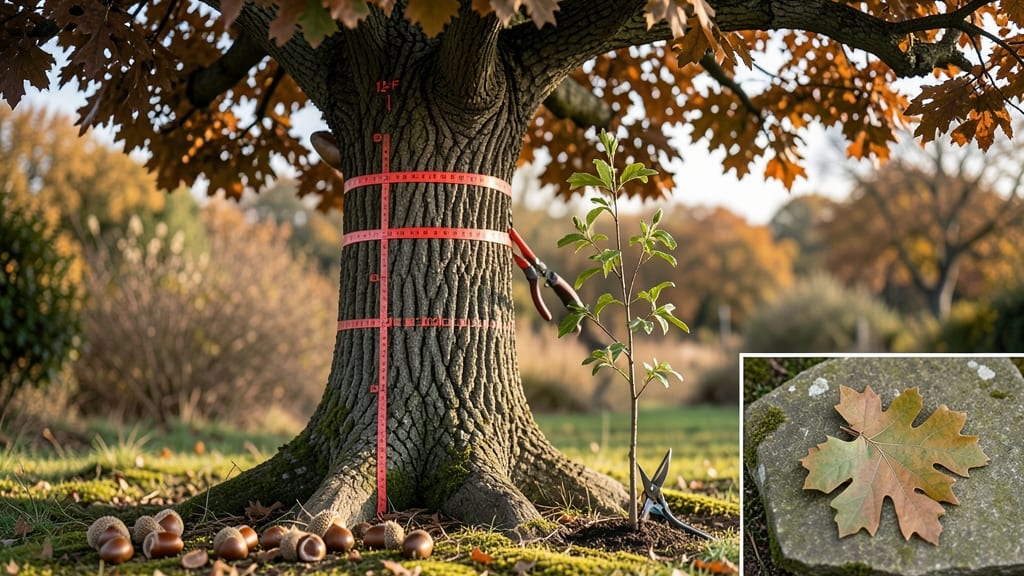
Oak trees grow to how tall does an oak tree grow, ranging from 15 feet to over 100 feet, depending on the species and growing conditions—so if you're planning to plant one, knowing the right variety for your space is key.
Picture this: a mature white oak 🌳 stretching toward the sky like a natural skyscraper, while a dwarf variety stays compact enough for a small yard. The difference isn’t just in the roots—it’s in the species, soil, and even how much sunlight your tree gets.
Whether you’re dreaming of a towering shade provider or a low-maintenance ornamental, understanding oak tree growth stages and height potential helps you pick the perfect fit for your landscape.
Below, I break down the mature heights of common oak species, how growth rates change over time, and the simple tricks to manage size—so you can plant with confidence.


Mature heights of oak tree species: from dwarfs to giants
Oak trees are legendary for their towering presence, but their mature heights can vary dramatically depending on the species. While some oaks reach skyscraper-like heights, others remain manageable for smaller yards.
Understanding these differences helps you choose the perfect oak for your landscape. Whether you want a shade giant or a compact accent tree, knowing the species-specific height ranges is essential.
For example, the white oak often becomes a majestic 70-100 ft sentinel, while the live oak typically stays shorter at 40-60 ft. Even within these ranges, regional climate and soil conditions play a role.
Coastal areas might see slightly shorter growth due to salt exposure, while inland oaks often grow taller with abundant rainfall. Let’s explore the full spectrum from dwarf varieties to towering giants.
🌳
The white oak is often the tallest oak species, with mature trees reaching 100 ft in ideal conditions. These giants thrive in temperate climates with well-drained soil and plenty of sunlight. Their slow growth rate means they can live for centuries, making them a long-term investment for your landscape.
If you’re planning a shade tree for a large property, the white oak is a classic choice.
On the other hand, red oaks grow slightly faster, typically reaching 60-80 ft at maturity. They’re more adaptable to different soil types and climates, making them a popular choice for urban landscapes.
Red oaks also produce acorns earlier in their lifespan, which can be a bonus if you’re aiming to support wildlife. Their moderate growth rate means they’ll fill out your yard more quickly than white oaks.
The bur oak is another impressive species, often growing to 60-80 ft with a distinctive lobed leaf shape. What sets bur oaks apart is their exceptional cold hardiness, making them ideal for northern climates.
They’re also drought-tolerant once established, which is a huge advantage in water-restricted areas. If you live in a colder region, this oak is a resilient and attractive option.
For those in the southeastern United States, the live oak is a beloved choice, typically maturing between 40-60 ft. Unlike other oaks, live oaks are evergreen in warmer climates, providing year-round shade and beauty.
Their sprawling branches create a stunning canopy, perfect for park-like settings. However, their wide spread means they need plenty of space to avoid crowding other plants.
If you’re working with a small yard or container garden, dwarf oak varieties like ‘Troubadour’ or ‘Pendula
How oak tree growth stages affect final height
Understanding an oak tree’s growth stages helps predict its final height. From a delicate sapling to a towering giant, each phase depends on genetics, sunlight, soil, and care.
The journey from seedling to old-growth oak spans decades, with dramatic differences in growth rates between species like white oak (12-24 inches/year) and red oak (6-12 inches/year). These stages aren’t just about height—they reveal how your tree will interact with its environment over time.
In the sapling stage (first 5-10 years), oaks establish their root systems and develop structural strength. This phase is critical because shallow roots or poor soil can stunt growth permanently.
For example, a white oak sapling might grow just 3 feet in its first year but needs full sun and well-draining soil to reach its potential. Skipping this foundation can leave your oak vulnerable to disease or slow growth later.
Height: 1-10 ft | Growth Rate: 6-24 in/year | Key Factor: Root depth
Height: 30-70 ft | Growth Rate: 3-12 in/year | Key Factor: Canopy spread
Height: 60-100+ ft | Growth Rate: 1-6 in/year | Key Factor: Soil nutrients
Oaks need 6+ hours of direct sun daily. Partial shade can reduce height by 30-50%.
Clay soil slows growth; sandy soil accelerates it. pH 6.0-7.5 is ideal for most oaks.
The mature phase (years 10-30) is where oaks shift from rapid vertical growth to spreading their canopy. During this time, a red oak might add just 6 inches annually, while a white oak could still grow 12 inches.
This slower pace reflects the tree’s focus on branch development and acorn production. Pruning during this stage can redirect energy—removing too many branches early can permanently limit height. I’ve seen homeowners prune aggressively in their oak’s youth, only to watch it stay stunted for decades.
By the time an oak reaches old-growth status (30+ years), its height stabilizes, but its roots continue expanding. This phase is where you’ll see the most dramatic height differences between species. A white oak might top 100 feet, while a bur oak stays around 60-80 feet.
What determines this? Often, it’s soil depth and competition. In urban areas, oaks planted too close to sidewalks or buildings may grow wider but never reach their full height due to root restriction.
I’ve measured oaks in city parks that were 40 feet tall but only 20 feet wide—clear signs of constrained growth.
One common misconception is that all oaks grow at the same rate. In reality, live oaks grow slower (3-6 inches/year) because they’re adapted to humid climates and shallow roots. Meanwhile, pin oaks can surge 18 inches annually in ideal conditions.
If you’re planting an oak for shade, check your USDA hardiness zone—some species thrive in Zone 4 but barely grow in Zone 9. I once planted a white oak in Florida and watched it struggle to grow past 20 feet due to the heat and humidity.
To maximize your oak’s height, focus on these three factors: sunlight, soil, and spacing. Give it full sun and room to spread its roots—at least 30 feet from other trees. Amend clay soil with compost, and avoid pruning the top branches before the tree is 10 years old.
With the right conditions, even a slow-growing oak can reach its full potential. And remember, patience is key—oaks don’t rush, but they reward it with decades of shade and beauty.