
How To
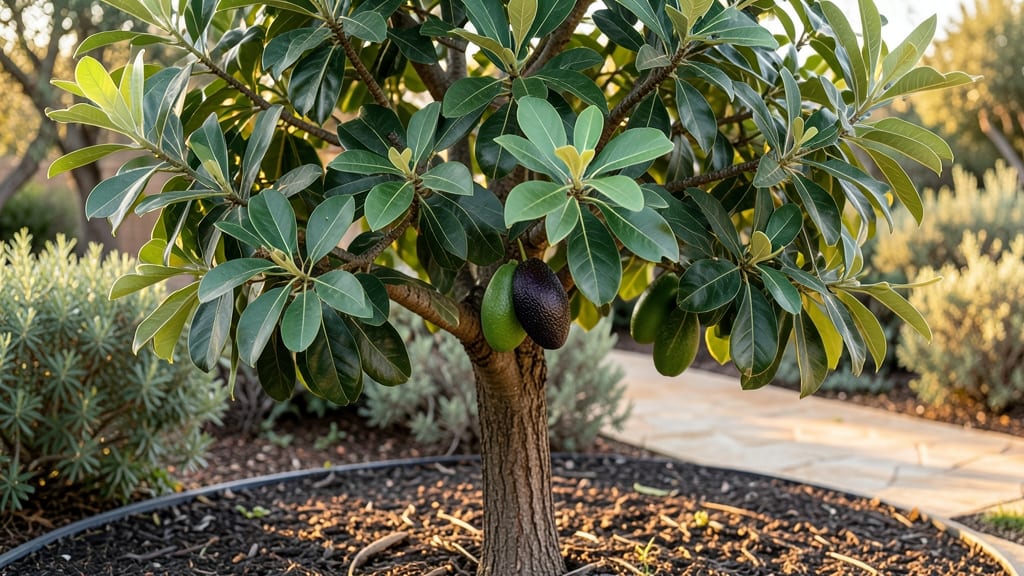
An avocado tree can grow anywhere from 10 feet to towering 80 feet tall, depending on the variety and growing conditions—so your backyard choice matters more than you might think.
Picture this: a Hass avocado 🥑 stretching toward the sky like a California redwood, while a dwarf grafted on ‘Mexicola’ rootstock stays tame enough for a patio. That’s the difference between a lifetime of ladder-based fruit picking and easy harvests at eye level.
Standard varieties like Fuerte or Bacon reach their full height of 30–60 feet in 10–13 years, while dwarf types max out at 10–15 feet—but even those need the right soil, pruning, and climate to stay small. In USDA zones 9b–11, where avocados thrive, space planning is everything.
Below, I break down the height ranges by variety, how to control growth with pruning and rootstock, and whether your container or garden can handle a 20-foot giant—or if you’re better off with a 6-foot patio tree.


Standard avocado tree heights by popular variety (and when they reach full size)
Avocado trees are stunning but can grow surprisingly tall—some varieties reach the height of a three-story building if left unchecked. Knowing your tree’s mature height and growth timeline helps you plan spacing, pruning, and even container options.
The Hass and Fuerte varieties, for example, are backyard favorites but require different approaches to manage their impressive stature.
Most standard avocado trees take 5–13 years to reach full maturity, with growth rates varying by climate, soil quality, and care. In ideal conditions—like coastal California or Florida’s subtropical zones—they can grow 2–3 feet per year in their early years.
However, if you’re in a cooler microclimate, expect slower growth and a more compact final height.
Below is a breakdown of four popular varieties—Hass, Fuerte, Bacon, and Reed—and their height progression from sapling to mature tree. This will help you decide which fits your space and long-term gardening goals.
The Hass variety is the most popular for home growers, but its 60–80 ft height means it’s best suited for large properties or orchards. If you’re in a suburban yard, consider spacing Hass trees 20+ feet apart to prevent overcrowding and ensure airflow, which reduces disease risk.
For smaller spaces, the Fuerte variety is a great middle-ground option. At 40–60 ft tall, it’s more manageable than Hass but still requires careful planning. Plant it 15–20 feet from fences or structures to avoid shading issues or root competition.
Its slightly faster maturity (8–12 years) means you’ll enjoy avocados sooner than with Hass.
The Bacon avocado tree is a hidden gem for those with limited space. Mature trees top out at 30–50 ft, making them ideal for large backyards or rural settings.
Their slower growth rate (1–2 ft/year in early years) gives you more time to adjust pruning or training strategies. Space these 12–15 feet apart in orchards to balance yield and maintenance.
If you’re after the fastest harvest, the Reed variety is your best bet—it matures in just 5–8 years and reaches 25–40 ft. This makes it perfect for small homesteads or container growing (with proper dwarfing techniques).
In containers, Reed trees can be pruned to stay under 10 ft tall, but they’ll still produce fruit within a decade.
No matter which variety you choose, pruning and rootstock selection play a huge role in managing height. For example, grafting a Hass scion onto a dwarfing rootstock like ‘Mexicola’ can reduce its mature height by 50% or more.
We’ll cover these techniques in detail in the next section, but for now, remember: early pruning shapes the tree’s structure and controls its ultimate size.
🌳 Whether you’re planning a full-size orchard or a patio-friendly dwarf tree, understanding your avocado’s growth potential is key. Start with the variety that fits your space, then adjust care routines to keep it healthy—and delicious—throughout its lifespan.
Dwarf avocado tree options: compact heights for small spaces and containers
If your backyard or patio is too small for a towering 80-foot avocado tree, dwarf varieties offer a perfect solution. These compact options can reach just 6–12 feet tall, making them ideal for containers or tight spaces.
The key lies in grafting onto dwarf rootstocks like ‘Mexicola’ or ‘Wurtz’, which naturally restrict growth while maintaining fruit production.
Grafted dwarf avocados combine the fruit-bearing scion (like Hass or Fuerte) with a dwarfing rootstock. This technique ensures the tree stays small without sacrificing yield. Semi-dwarf varieties, while slightly taller (15–25 feet), still offer manageable heights compared to standard trees.
Both options require careful pruning and container selection to thrive.
Dwarf Avocado Tree Comparison
Dwarf Varieties (Grafted)
- Height: 6–12 ft
- Rootstock: Mexicola/Wurtz
- Container: 15–25 gallon
- Yield: Moderate (smaller fruit)
- Pruning: Minimal (natural shape)
Semi-Dwarf Varieties
- Height: 15–25 ft
- Rootstock: Standard or semi-dwarf
- Container: 30+ gallon (or ground)
- Yield: Higher (larger fruit)
- Pruning: Regular (height control)
✅ Pros:
- Fits patios/containers
- Lower maintenance
- Faster fruiting in small spaces
❌ Cons:
- Limited root space (container-bound)
- Smaller fruit yield
- Needs staking in windy areas
For container growing, choose a dwarf variety grafted on Mexicola rootstock, as it thrives in 15–25 gallon pots with proper drainage. Use a lightweight potting mix (60% mineral soil, 30% compost, 10% perlite) to prevent root bound conditions.
Place containers in full sun (6+ hours daily) and rotate them weekly for even growth.
Pruning is essential to maintain size. In early spring, remove suckers and water sprouts to redirect energy to fruit production. Thin out overcrowded branches to improve airflow, reducing disease risk. Avoid heavy pruning in late summer, as new growth won’t harden before winter. Use sterilized pruners to prevent bacterial infections.
If you’re in USDA Zones 9b–11, dwarf avocados can stay in containers year-round. In cooler zones, move pots indoors near a south-facing window during winter, ensuring temperatures stay above 50°F.
Fertilize monthly in spring/summer with a balanced citrus blend (6-6-6), and reduce feeding in fall/winter to encourage dormancy.
My Hass dwarf avocado in a 20-gallon pot has produced fruit for three years, proving that compact varieties can deliver just like their larger counterparts—with the bonus of fitting anywhere. The secret? Patience, proper rootstock, and consistent care turn even small spaces into avocado oases. 🌱