
How To
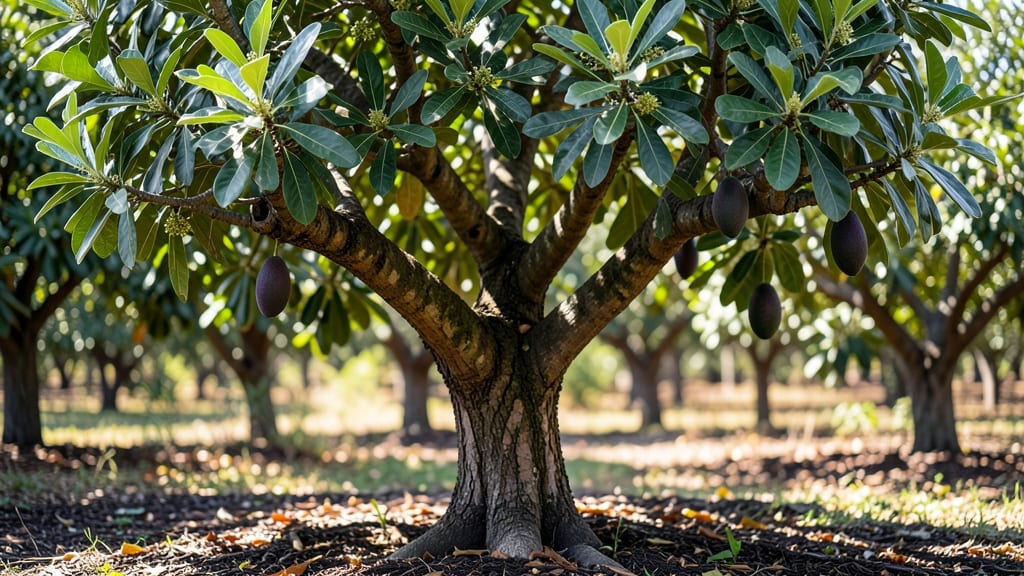
An avocado tree can grow anywhere from 10 feet to towering 80 feet tall, depending on the variety and growing conditions you provide 🥑 — and that range might surprise you if you’re imagining a backyard-sized fruit producer.
Picture this: your dream of fresh avocados might hinge on whether you’re planting a dwarf variety that fits a patio or a standard tree that needs the space of a small forest.
The difference in height isn’t just about aesthetics—it changes how you care for the tree, where you place it, and even whether you’ll harvest fruit at all.
Standard avocado trees thrive in warm climates like USDA Zone 9b and can reach heights of 40–80 feet if left unchecked, while dwarf varieties stay between 10–15 feet, making them perfect for containers or small urban gardens.
But size isn’t just about the variety—climate, pruning, and sunlight play huge roles in how tall (or short) your tree becomes.
In this guide, I’ll break down the height differences between standard and dwarf avocado trees, share practical tips for managing growth, and help you decide which size is right for your space—whether you’re dreaming of a backyard grove or a single potted tree on your balcony.


Standard avocado tree heights: how big can they really get?
If you’ve ever dreamed of growing your own avocado tree, you’ve probably wondered: how tall does an avocado tree grow? Standard varieties can reach staggering heights—some even dwarfing two-story homes.
In ideal conditions, these tropical giants can grow between 30 to 80 feet tall, with trunks expanding up to 3 feet in diameter. But their final height depends on several factors, including climate, soil quality, and—most importantly—whether you prune them.
For example, the famous Windsor avocado tree in California stands over 70 feet tall, while others in Hawaii can exceed 80 feet when left unpruned. These trees aren’t just tall; they’re also fast growers.
In their first year, a young avocado tree might shoot up 1–3 feet, and by year three, it could already be 6–12 feet tall. Without intervention, many standard varieties will keep growing vertically for decades.
| Growth Stage | Average Height | Time to Reach | Climate Impact |
|---|---|---|---|
| Year 1 | 1–3 ft | First growing season | Warmer climates grow faster |
| Year 3 | 6–12 ft | 3 years | Cooler zones slow growth |
| Mature (Unpruned) | 30–80 ft | 10–20 years | Tropical climates maximize height |
| Pruned Regularly | 15–30 ft | Ongoing maintenance | Reduces height by 50–75% |
Your local climate plays a huge role in how tall your avocado tree will grow. In USDA Zone 9b or warmer, where avocados thrive naturally, trees grow faster and taller due to longer growing seasons and consistent warmth.
Meanwhile, in cooler zones like Zone 6a, growth slows significantly unless you grow them in containers and move them indoors during winter. Even then, their mature height may cap at 20–30 feet without aggressive pruning.
Pruning is the most effective way to control an avocado tree’s height. If you start pruning early—say, when the tree reaches 6–10 feet tall—you can keep it at a manageable 15–25 feet.
The key is to prune during the dormant season (late winter or early spring) when the tree isn’t actively growing. Remove about 20–30% of the canopy each year, focusing on vertical growth to encourage a bushier, more compact shape.
One common mistake is pruning too late in the season, which can stimulate new growth that won’t harden off before winter. Another is cutting too aggressively, which stresses the tree and can lead to disease.
Always use sterilized pruning shears and make cuts just above a leaf node or branch collar. If you’re unsure, start with light pruning and observe how the tree responds before committing to heavier cuts.
For those with limited space, consider the ‘Wurtz’ avocado tree, a popular standard variety that can still reach 30–40 feet tall but grows slightly slower than others. Its glossy leaves and cold tolerance make it a favorite for home gardeners in Zone 8a and warmer.
If you’re in a cooler climate, you might need to combine this variety with container growing and seasonal adjustments to keep it alive—and thriving.
Even in ideal conditions, avocado trees don’t grow indefinitely. After reaching maturity—usually around 10–15 years—their growth rate slows, and they focus more on producing fruit.
This is when regular pruning becomes even more critical to maintain size and improve air circulation, which reduces the risk of fungal diseases like root rot. Think of pruning as a long-term investment: a little effort now saves you from dealing with a 70-foot monster later.
If you’re still unsure whether your space can handle a standard avocado tree, consider testing the waters with a dwarf variety first. These stay under 10–15 feet tall and are perfect for containers or small backyards.
But if you’re committed to the full experience, embrace the challenge—just be prepared to wield those pruning shears regularly! 🌳
Dwarf avocado tree varieties: compact options for small spaces
If you love avocados but lack space for a towering standard avocado tree, dwarf varieties are your perfect solution. These compact options typically reach 10–20 feet at maturity—ideal for containers, urban patios, or small backyards.
The key is choosing the right variety and providing proper care to keep them thriving in tight spaces.
Dwarf avocado trees aren’t just smaller—they also mature faster, making them great for home growers eager to harvest fruit sooner. Varieties like 'Mexicola' and 'Wurtz' are popular choices for their manageable size and reliable fruiting.
With the right container size and pruning techniques, you can even grow these trees indoors near a sunny window in colder climates.
Comparison of dwarf avocado tree varieties:
When selecting a dwarf variety, consider your climate zone and container size. In USDA Zone 9b, these trees thrive outdoors year-round, while in Zone 6a, they’ll need winter protection or indoor placement.
A 5-gallon container works for young trees, but upgrade to 15+ gallons as they mature to prevent root binding.
Propagation is straightforward if you have a mature avocado pit. Simply plant the pit in moist potting mix, keep it warm, and wait for sprouts. Once established, graft onto a dwarf rootstock for faster fruiting.
This method is perfect for home growers who want to create their own compact avocado tree without buying a nursery-grown sapling.
For container growing, ensure your pot has drainage holes and use a lightweight, well-draining mix like cactus soil blended with perlite. Fertilize every 4–6 weeks during growing season with a balanced citrus/avocado fertilizer to encourage fruit production.
With proper care, your dwarf avocado tree can produce fruit in as little as 3–5 years!
Don’t let limited space stop you from growing avocados. Dwarf varieties make it possible to enjoy fresh fruit right at home, whether you’re in a tiny apartment or a cozy suburban yard.
Start with a sunny spot, the right container, and a little patience—your homegrown avocados will be worth the wait! 🥑🌱