
How To
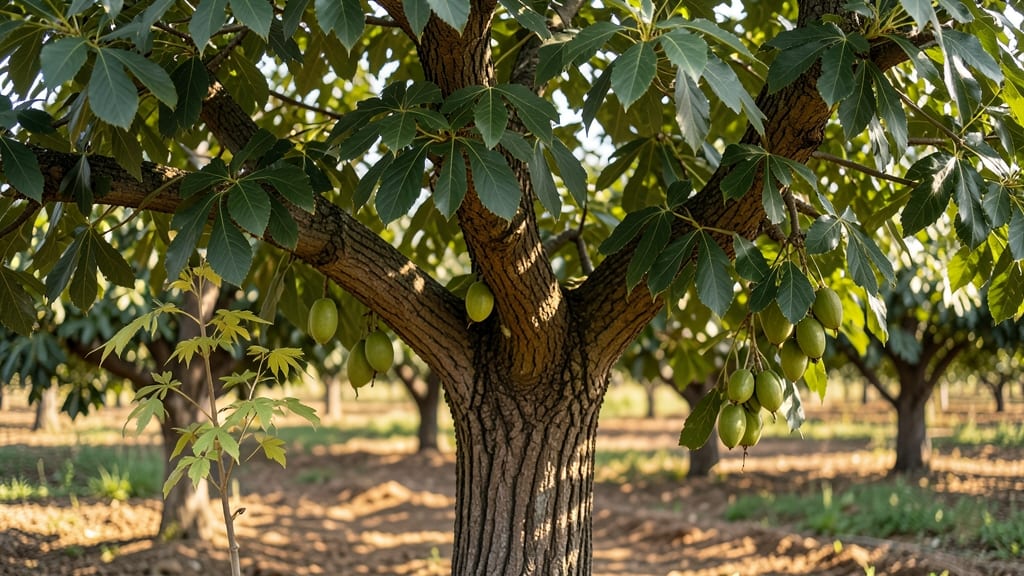
A walnut tree grows to how tall does a walnut tree grow heights that can stretch from 20 feet in dwarf varieties to a towering 100 feet in mature English or black walnut giants 🌳 — a range that makes planning your backyard landscape a critical first step.
Picture this: a 30-foot-tall tree in your suburban yard, its branches casting shade over your patio, or a 100-foot monarch commanding the skyline of your rural property.
The difference isn’t just in the view—it’s in the space you’ll need to dedicate, the pruning commitment you’ll face, and whether your power lines will ever see sunlight again.
But here’s the catch: soil quality, climate, and even how aggressively you prune can shift a walnut tree’s height by 30% or more. A black walnut in rich, moist soil might reach its full potential, while the same variety in rocky, dry conditions could stay stunted.
And if you’re comparing it to fruit trees like apples or cherries—which max out around 20-30 feet—you’ll quickly see why walnuts demand a different kind of planning.
In this guide, I’ll break down the exact heights by variety, the factors that push a tree toward the sky or keep it manageable, and the pruning secrets that let you shape its growth—so you can decide whether your dream walnut tree is a backyard neighbor or a future skyline.


Walnut tree height by variety: from dwarf to giant species
Choosing the right walnut tree variety is critical if you're working with limited space or dreaming of a backyard orchard. Walnut trees can range from dwarf varieties under 20 feet to giant species reaching 100 feet or more.
The variety you select will determine not just the tree's height, but also its growth rate, spacing needs, and even nut production. Let's explore the most popular walnut varieties and their mature heights to help you plan your landscape.
For gardeners with small yards, dwarf and semi-dwarf varieties offer excellent solutions. These compact trees maintain manageable heights while still producing high-quality nuts. Meanwhile, standard varieties dominate landscapes with their towering presence.
Understanding these differences will help you make an informed decision that aligns with your property size and aesthetic goals.
Below is a detailed comparison of 10+ walnut varieties, including their mature heights, growth rates, and ideal spacing requirements. This summary table will help you visualize which variety best fits your garden's dimensions and your long-term care capacity.