
How To
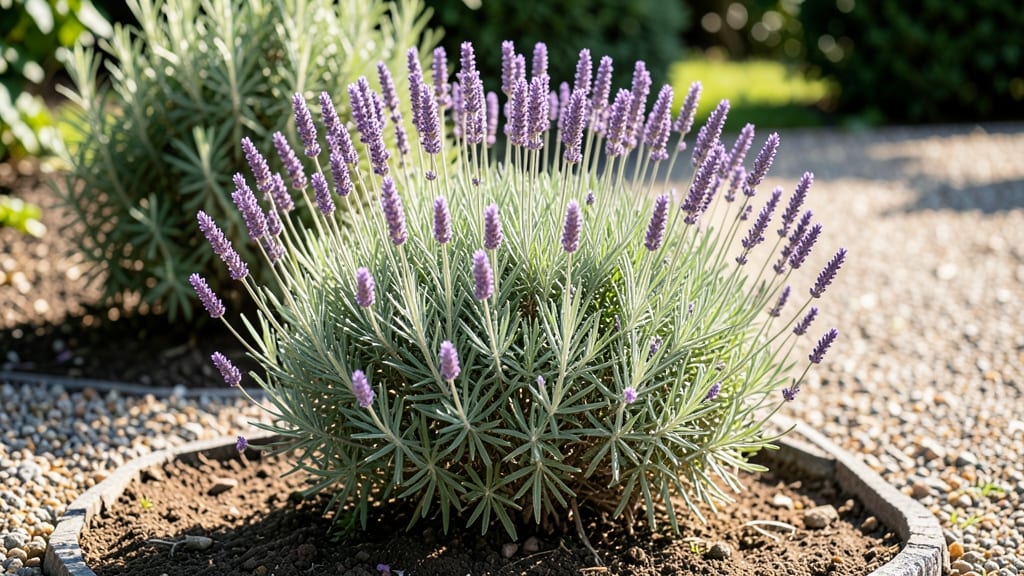
The how tall does a lavender tree grow depends entirely on the variety and how you shape it, ranging anywhere from 3 feet to towering 12 feet.
If you're dreaming of a fragrant lavender tree in your garden but wondering whether it’ll tower over your patio or stay compact, the answer depends entirely on the variety—and how you care for it.
Some types, like the Lavandula x intermedia, can reach heights of 8 to 12 feet when left unpruned, while dwarf varieties like Lavandula angustifolia stay a manageable 3 to 5 feet tall.
Below, I’ll break down the exact height ranges for popular lavender trees, how pruning affects growth, and the best spacing for your garden layout.


Lavender tree height by variety: exact growth expectations
When planning your garden, knowing how tall lavender trees grow helps you choose the perfect variety for your space. Some lavender varieties stay compact, while others grow tall enough to create a stunning privacy screen.
The key difference lies in their species and hybrid classification—Lavandula angustifolia (English lavender) typically stays shorter, while Lavandula x intermedia (hybrids) can reach impressive heights. Even within these groups, specific cultivars vary dramatically.
For example, the dwarf varieties like 'Hidcote' or 'Munstead' rarely exceed 3 feet, making them ideal for containers or small gardens. On the other hand, standard lavender trees like 'Grosso' or 'Provence' can soar to 6 feet or more when given ideal growing conditions.
Understanding these differences ensures you select a variety that fits your vision without overwhelming your outdoor space.
Why height matters: Lavender trees need proper spacing to thrive. Planting a 6-foot variety too close to a patio or fence can lead to overcrowding, while dwarf varieties can be placed near walkways or in window boxes. Below, I’ve compiled a detailed comparison of popular lavender tree varieties, including their mature heights and ideal spacing requirements.
| Variety | Mature Height (ft) | Spread (ft) | Growth Rate | Best For |
|---|---|---|---|---|
| Lavandula angustifolia 'Munstead' | 2-3 ft | 3-4 ft | Slow | Containers, small gardens |
| Lavandula angustifolia 'Hidcote' | 2-3 ft | 3-4 ft | Slow | Borders, window boxes |
| Lavandula x intermedia 'Grosso' | 4-6 ft | 5-7 ft | Moderate | Privacy screens, hedges |
| Lavandula x intermedia 'Provence' | 5-8 ft | 6-8 ft | Fast | Large landscapes, borders |
| Lavandula dentata 'Walker's Low' | 3-5 ft | 4-6 ft | Moderate | Drought-prone areas, slopes |
| Lavandula stoechas 'Papillon' | 2-3 ft | 3-4 ft | Slow |
How pruning and care affect lavender tree heightYour lavender tree’s height isn’t just about genetics—it’s a direct result of your pruning habits and seasonal care. Aggressive pruning can keep a 6-foot lavender shrub under control, while neglect turns it into a leggy 10-foot monster. The key lies in timing, technique, and understanding how lavender responds to stress. Most lavender trees grow 1-2 feet per year under ideal conditions, but improper care can stunt growth or encourage rapid vertical expansion. For example, over-pruning in late summer signals the plant to focus on height rather than bushiness. Meanwhile, well-draining soil and minimal fertilization prevent excessive leafy growth that steals energy from flowering and compact growth. ⚠️ WARNING: Common Mistakes That Stunt or Overgrow Lavender ⚠️
⚠️ Over-pruning in fall/winter – Causes woody dieback and weakens next year’s growth.
⚠️ Heavy nitrogen fertilizer – Promotes leafy growth over flowers, making the plant leggy.
⚠️ Poor drainage – Root rot stunts growth and weakens the plant’s structure.
⚠️ Pruning after flowering – Removes next year’s buds and reduces blooms.
To encourage a compact, bushy lavender tree, prune right after flowering (late summer) by cutting back 1/3 of the oldest stems. This stimulates new growth at the base, creating a fuller, shorter silhouette. For taller varieties like 'Grosso', avoid heavy pruning—let them grow naturally to 8-12 feet for dramatic height. Seasonal care plays a huge role too. Winter mulching protects roots from freezing, while spring aeration prevents soil compaction that restricts root spread. Lavender hates soggy soil—amend clay with gravel or sand to keep roots healthy and growth steady. Even a 3-foot dwarf variety like 'Hidcote' can reach 5 feet if planted in rich soil with frequent watering. For leggy lavender trees, revive them with a rejuvenation prune in early spring: cut back all stems to 6 inches. While this seems drastic, it forces the plant to regrow from the base, creating a denser, shorter shape within a year. Pair this with full sun exposure and minimal watering to encourage strong, upright growth. Remember, lavender’s natural growth habit is woody and upright—it’s not a shrub that naturally stays low. With the right care, even a standard lavender tree can stay under 6 feet, while dwarf varieties like 'Munstead' rarely exceed 3 feet. The secret? Prune lightly, mulch well, and let it grow on its own terms. 🌿 |