
How To
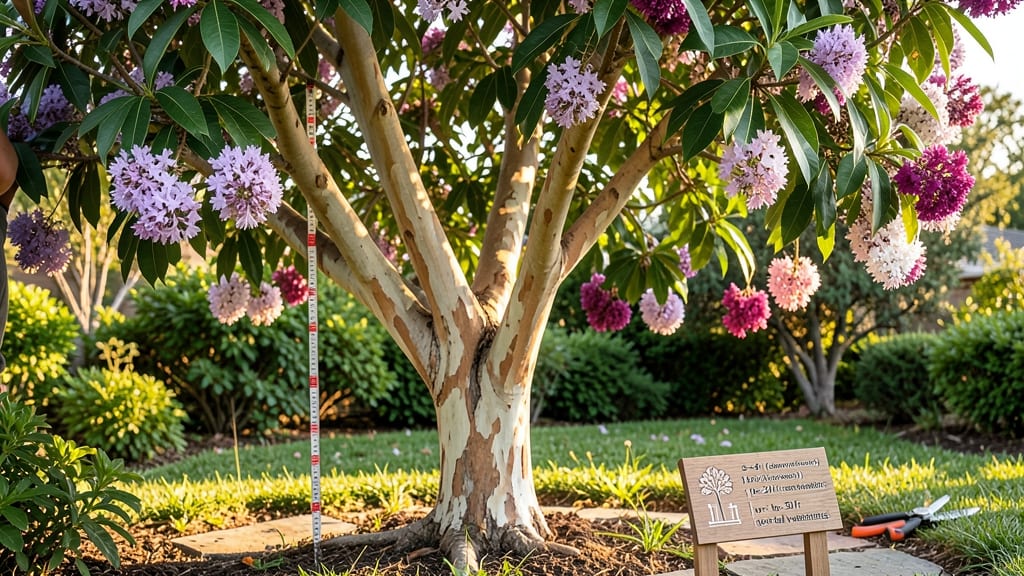
A crape myrtle tree grows how tall does a crape myrtle tree grow anywhere from 6 feet to towering 30 feet, depending on the variety and how you care for it. 🌸
Picture this: you fall in love with a crape myrtle’s vibrant blooms, only to realize its mature height could swallow your small front yard. The good news?
Dwarf varieties stay under 12 feet, while standard types reach basketball-hoop height or beyond—but pruning and spacing can keep even the tallest ones in check.
Whether you’re dreaming of a 6-foot shrub or a 20-foot statement tree, the key is choosing the right variety for your space and learning a few simple pruning tricks.
Below, I’ll break down the exact height ranges for popular crape myrtles and share how to control their growth so they fit perfectly in your landscape.
You’ll also discover how sunlight, soil, and watering habits can push a tree toward its maximum height—or keep it compact. By the end, you’ll know exactly which crape myrtle to pick and how to keep it at your desired size, no guesswork required.


Crape myrtle tree height by variety: exact growth ranges revealed
Choosing the right crape myrtle variety can make all the difference in your garden's layout. Some varieties stay as short as 6 feet, perfect for small yards, while others tower over 30 feet, ideal for large landscapes.
The key is selecting a variety that matches your space and growth goals. Let’s explore the exact height ranges for popular crape myrtle types, including dwarf, medium, and giant varieties.
Crape myrtles are prized for their vibrant blooms and adaptability, but their mature size varies dramatically. For example, the 'Tonto' variety stays compact at just 6-10 feet, while the 'Natchez' variety can reach 20-30 feet.
Understanding these differences helps you plan spacing, pruning, and even which varieties to pair with other plants in your garden.
Below, I’ve organized the most popular crape myrtle varieties by their mature height ranges. This comparison will help you visualize how each variety fits into your landscape design, whether you’re working with a cozy courtyard or a sprawling backyard.
The 'Tonto' and 'Zuni' varieties are excellent choices if you’re limited on space. These dwarf crape myrtles thrive in containers or small garden beds, offering vibrant blooms without overwhelming your landscape. Their compact size also makes them ideal for urban gardens where space is at a premium.
For medium-sized gardens, varieties like 'Avalanche' and 'Biloxi' strike the perfect balance. They provide ample shade and stunning flowers while fitting comfortably in most backyards. These varieties grow at a steady pace, making them easier to manage with minimal pruning.
If you’re working with a large property, the 'Natchez' and 'Catawba' varieties will make a dramatic statement. These tall crape myrtles can reach heights of 20-30 feet, creating a stunning focal point in your garden.
Their rapid growth means they’ll fill out quickly, providing shade and beauty in just a few years.
When selecting a crape myrtle variety, consider not only its mature height but also its growth rate and the spacing requirements. For example, a 10-foot tree needs at least 8-10 feet of clearance from structures and other plants to avoid overcrowding.
Always check the specific variety’s care guidelines to ensure it thrives in your climate and soil conditions.
Proper pruning techniques can also influence how tall your crape myrtle grows. Regular pruning in late winter or early spring helps maintain the desired shape and size. Avoid heavy pruning in fall, as this can stimulate new growth that won’t harden off before winter, potentially damaging the tree.
Whether you’re a beginner gardener or a seasoned pro, choosing the right crape myrtle variety ensures your garden stays beautiful and manageable. With the right care, even the tallest varieties can be kept in check, while dwarf varieties will flourish in the smallest of spaces.
How to control crape myrtle height: pruning techniques for every size
Controlling your crape myrtle’s height starts with understanding its natural growth habit. Most varieties grow 6–30 feet tall, but with strategic pruning, you can maintain a compact 6-foot shrub or a tall 20-foot specimen.
The key is timing—prune at the right season and use the correct techniques to avoid damaging the tree or stunting its growth.
Crape myrtles bloom on new wood, meaning they produce flowers on the current year’s growth. If you prune too late, you risk removing next year’s blooms.
For dwarf varieties like ‘Tonto’ (6–8 ft) or ‘Zuni’ (6–10 ft), aggressive pruning keeps them manageable, while standard types like ‘Natchez’ (20–30 ft) need minimal shaping to maintain their grandeur.
Here’s your step-by-step pruning guide to achieve your desired height, whether you want a bushy shrub or a tall tree with a clear trunk.
Choose the right season: Prune dwarf varieties (like ‘Avalanche’) in late winter or early spring (February–March) to encourage bushy growth. For standard trees, prune immediately after blooming (June–July) to preserve next year’s flowers.
Use the right tools: Sharp bypass pruners for small branches and a pruning saw for thick limbs. Sterilize tools with rubbing alcohol to prevent disease spread.
Remove dead or crossing branches: Cut back dead wood and branches growing inward to improve airflow. Aim for an open center to reduce disease risk.
Shape for height control:
- Dwarf varieties: Cut back 1/3 of new growth to maintain compact size.
- Standard trees: Remove only lower branches to create a clear trunk (3–4 ft tall).
Avoid these mistakes:
- Topping the tree: Cutting the main stem flat creates ugly regrowth and weakens the tree.
- Pruning too late: Trimming after September removes next year’s blooms.
Clean up and mulch: Remove all clippings and apply 2–3 inches of mulch around the base to protect roots and retain moisture.
For aggressive height reduction, prune over 2–3 years to avoid shocking the tree. If you’re dealing with an overgrown crape myrtle, focus on structural branches first and gradually shape it back to your desired form. Remember, patience is key—rushing can harm the tree’s health and bloom production.
With the right techniques, you can transform a wild, unruly crape myrtle into a neat, manageable feature that fits your garden perfectly. Start small, observe how the tree responds, and adjust your approach each year for the best results.