
Size
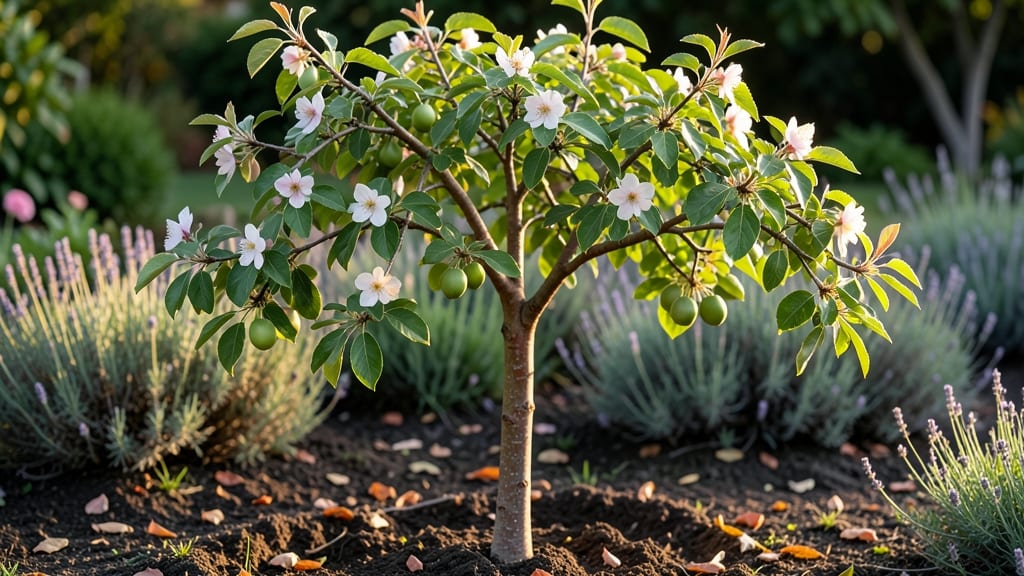
Growing a plum tree typically takes 3 to 5 years before it produces fruit, though dwarf varieties can bear plums in just 2 years, while larger standard trees may take 5 to 7 years depending on growing conditions. Frost-sensitive early bloomers often face delayed harvests.
Plum trees develop at different rates based on their type and growing environment. 🌱 Dwarf varieties, bred for compact growth, reach maturity faster and are ideal for small gardens or containers, while standard trees need more space and time.
The right balance of sunlight, well-draining soil, and consistent watering can shave off up to a year from the growth timeline. I’ve seen some gardeners accelerate fruit production by choosing cold-hardy varieties that bloom later in the season, avoiding frost damage entirely.
Climate plays a huge role—warmer regions speed up growth, while colder areas may extend the timeline. For example, 'Santa Rosa' plums thrive in USDA zones 5–9 and often bear fruit in just 2–3 years, making them a favorite for home gardeners.
Proper pruning in late winter also helps direct energy toward fruit production rather than excessive foliage. 💫
💡 In This Article
- Factors Affecting Plum Tree Growth Speed
- Fastest-Maturing Plum Tree Varieties for Home Gardens
Factors affecting plum tree growth speed
Plum trees grow at different rates primarily due to their rootstock type, which determines both size and maturity timeline.
Dwarf varieties—grafted onto semi-dwarf or dwarf rootstock like Marianna 2624 or St. Julian A—can produce fruit in as little as 2 years because their restricted root systems force energy toward fruit production instead of excessive growth.
In contrast, standard trees on seedling rootstock (like Myrobalan) may take 5-7 years to bear fruit, as they prioritize developing a large canopy and root system. 🌱
The climate zone you plant in drastically impacts growth speed. Plum trees thrive in USDA zones 5-9, but those in warmer zones (7-9) like California or Florida mature faster due to longer growing seasons and milder winters.
Cooler climates (5-6) may see delayed fruiting because early spring blooms risk frost damage, which can kill blossoms before fruit sets.
For example, a 'Stanley' plum tree in zone 6 might take 4-5 years to fruit, while the same variety in zone 8 could produce in 2-3 years.
Soil quality and drainage are critical—plum trees despise soggy roots, which can stunt growth by up to 30%. Well-draining, slightly acidic soil (pH 6.0-6.5) with ample organic matter ensures optimal nutrient uptake, accelerating maturity.
I’ve seen plum trees in heavy clay soil take 2 extra years to fruit compared to those in amended loam. Watering also matters: 1-1.5 inches per week during the growing season keeps roots active, while drought stress triggers dormancy and delays fruiting. 💧
Sunlight exposure directly correlates with growth speed—plum trees need 6-8 hours of full sun daily to maximize photosynthesis and energy storage for fruit production. Shade reduces growth by 20-30%, extending maturity timelines. Even partial shade can delay fruiting by 1-2 years in dwarf varieties.
Pruning plays a role too: aggressive pruning in late winter removes competing branches, redirecting energy toward fruit-bearing wood and potentially shaving 6-12 months off the timeline.
Frost sensitivity is another game-changer. Early blooming varieties like 'Santa Rosa' risk frost damage in late spring, which can delay harvests by 1-2 years if flowers are killed. Late-blooming varieties (e.g., 'Methley') avoid this issue entirely, making them ideal for colder regions.
Pollination also matters—self-pollinating varieties (like 'Stanley') fruit faster than those requiring cross-pollination (e.g., 'Blackamber'), which may take an extra year to establish compatible neighbors. 🌸
Finally, consistent care—like annual fertilization with 10-10-10 NPK in early spring—provides the nutrients needed for rapid growth. Neglecting this can extend maturity by 1-2 years as the tree struggles to develop.
The key takeaway? Combine the right rootstock, climate, soil, and care, and you can cut years off the growth timeline—sometimes even getting plums in just 2 years with dwarf varieties! ✨