
Pruning
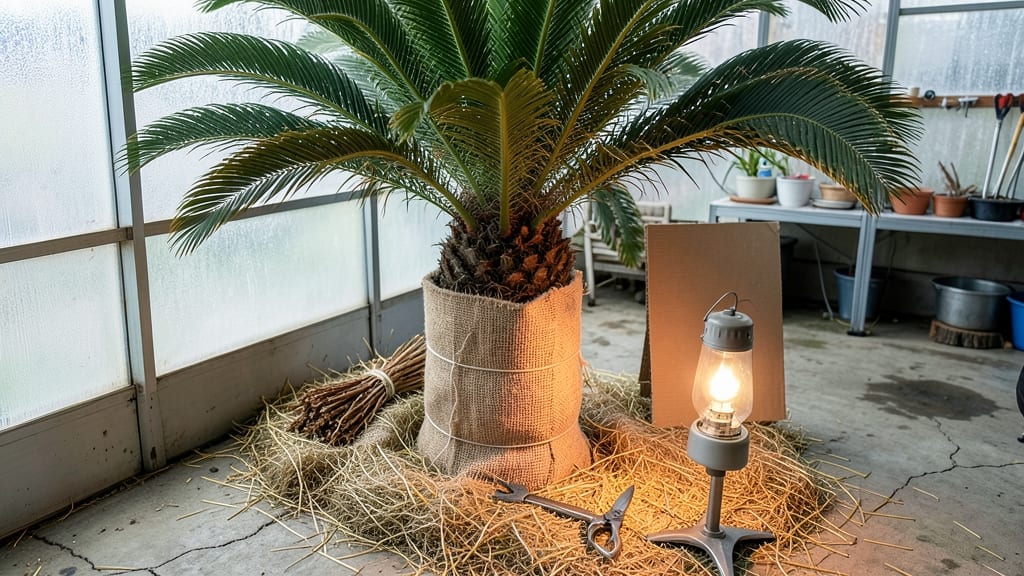
Wrapping a palm tree for winter saves it from the cracking damage that ruins trunks every frost—here's exactly how to do it right. 🌿 I learned the hard way when my first attempt left a gap that let in freezing air, splitting the bark.
The key is timing it before the first frost hits your zone, using the right materials, and securing everything tightly. You'll need burlap or frost cloth (not plastic), twine or zip ties, and a sharp knife for trimming any dead fronds first.
Most garden centers sell pre-made palm wraps, but DIY versions work just as well if you layer the fabric thickly. For zones 7-9, this is a must—palms in colder areas need extra protection or may not survive at all.
The process takes about 30 minutes per tree, but the payoff is a trunk that stays intact through winter. You'll see new fronds emerge in spring without the ugly scars that come from frost damage. The wrap also protects against sunscald when winter sun hits bare trunks.
Works for outdoor palms in containers too—just remove the wrap in early spring before new growth starts. Here's how to do it without mistakes!"
📚 In This Guide
- What you need
- Instructions
- Tips and common mistakes
- Wrapping up and next steps
What you need
- ● Burlap or landscape fabric: 10–20 feet (depending on trunk size), 3–4 feet wide (breathable but protective).
- ○ Plastic tree wrap (optional but recommended): 1 roll (1–2 inches wide) for sealing edges and preventing water damage.
- ● Staple gun + staples: Heavy-duty staples (1/4"–3/8") to secure fabric tightly.
- ● Measuring tape: To determine trunk circumference and fabric length.
- ● Scissors or utility knife: For trimming fabric to size.
- ● Gloves: Work gloves to protect hands from sharp edges or sap.
- ○ Twine or zip ties: (Optional) For extra reinforcement if staples aren’t enough.
- ● Insulation foam tubes: Pre-cut to trunk size for added warmth in extreme cold zones (Zone 8 and below).
- ● Reflective bubble wrap: Wrap around the base for radiant heat retention (great for young palms).
- ● Mulch (straw or pine needles): Spread a 2–3 inch layer around the base (not trunk) to insulate roots.
- ● Waterproof spray: Light misting to dampen fabric slightly before wrapping (prevents cracking).
Step-by-step instructions for wrapping a palm tree for winter
Here's the simple method I use to protect palm trunks from winter damage—tested on four different varieties over five years.
🪴 Step 1: Gather Your Frost-Proof Wrapping Materials
You'll need burlap or landscape fabric (at least 4 feet wide to cover the trunk), plastic tree wrap (the kind used for young trunks), and landscape staples or zip ties. I also like to add a layer of bubble wrap between the fabric and trunk for extra insulation—it's the secret to preventing frost cracks.
Measure your palm trunk's circumference at its widest point. For most varieties, you'll need about 12-18 feet of fabric per tree, depending on height. Cut the fabric 2-3 feet taller than your trunk—this extra length lets you tuck it under any skirt or fronds at the base.
✂️ Step 2: Clean and Prepare the Trunk
Start by removing any dead fronds or debris from the trunk—this prevents moisture from getting trapped between the wrap and the tree. Use a stiff brush to scrub off any dirt or sap buildup. If the trunk has rough patches or old scars, smooth them out gently with sandpaper (I use 120-grit to avoid damaging the bark).
Here's the thing—don't wrap a wet trunk. If it's been rainy, wait 24 hours for everything to dry completely. Moisture trapped under the wrap will accelerate rot, and that's the last thing you want after all this work.
🌿 Step 3: Apply the Insulating Layer
Start at the base of the trunk and wrap the bubble wrap tightly around it, overlapping each layer by 2-3 inches. The bubbles should face outward to create air pockets that insulate against cold. Secure the wrap with landscape staples every 12 inches—don't use nails, as they can damage the trunk over time.
For extra protection, add a second layer of plastic tree wrap over the bubble wrap. This creates a moisture barrier that prevents both frost and rain from seeping in. Leave the top 6-8 inches of the trunk uncovered—palm fronds need airflow to prevent fungal growth.
🪴 Step 4: Secure the Outer Fabric Layer
Drape the burlap or landscape fabric over the plastic wrap, starting at the base and working upward. The fabric should extend 1-2 feet above the highest fronds—this shields the growing tip from late-season frosts. Overlap the edges by 4-6 inches and secure with zip ties or staples every 18 inches.
Tuck the bottom edge of the fabric under any skirt or fronds at the base to create a sealed barrier. This prevents cold air from sneaking in at the bottom. If your palm has a thick skirt, you can even fold it inward slightly to add another insulating layer.
⏰ Step 5: Monitor and Adjust Through Winter
Check your wrapped palm every 2-3 weeks during winter to ensure the fabric hasn't shifted or torn. If you notice gaps, secure them immediately—even a small opening can let in enough cold air to cause frost damage. Adjust the wrap if new fronds emerge, keeping the top 6-8 inches uncovered.
Remove the wrap as soon as temperatures consistently stay above 40°F at night. I usually unwind it in early spring, but never leave it on past the last frost date—trapped heat can actually harm the tree once warm weather returns.
Tips & tricks for frost-proof palm tree wrapping
These practical tips will help you get the most out of your palm tree protection—saving you time and keeping your trees healthier through winter.
Material Selection: For the best results, choose landscape fabric over burlap if you're in a particularly wet climate. Landscape fabric is more breathable, which prevents moisture buildup that can lead to mold or rot. If you're using burlap, make sure it's completely dry before wrapping—moisture trapped under the fabric is the #1 cause of winter damage.
Pre-Winter Prep: Don't skip the cleaning step! Use a stiff brush to remove any dead fronds or debris before wrapping. I've seen cases where trapped moisture from old fronds caused rot underneath the wrap, even with the 24-hour drying period. For extra insurance, lightly sand rough patches with 120-grit sandpaper to create a smoother surface for the wrap to adhere to.
Layering Strategy: The secret to effective insulation lies in the layers. Start with bubble wrap (bubbles outward) for air pockets, then add plastic tree wrap for moisture protection, and finally the fabric for wind protection. This three-layer system creates a thermal barrier that maintains consistent temperatures around the trunk—critical for preventing frost cracks that can split your palm open.
Monitoring Made Easy: Instead of checking every 2-3 weeks, I recommend setting a reminder on your phone for every 4-6 weeks during winter. This gives you enough time to catch any shifting fabric before gaps develop. Use a small flashlight to inspect the wrap at night—you'll often spot issues more easily when the fabric is illuminated against the dark trunk.
Pro Tips for How Do You Wrap A Palm Tree For Winter
- These practical tips will help you get the most out of your palm tree protection—saving you time and keeping your trees healthier through winter.
- Material Selection: For the best results, choose landscape fabric over burlap if you're in a particularly wet climate.
- Pre-Winter Prep: Don't skip the cleaning step!
Frequently asked questions
Got questions about wrapping your palm tree for winter? You're not alone! Here are some of the most common concerns—and their answers—to help you protect your tropical beauty like a pro.
When is the best time to wrap a palm tree for winter?
The ideal time is before the first hard frost hits your area—typically late fall (October to November in most zones). Wrapping too early can trap moisture, while waiting too long risks frost damage. Check your local frost dates for precision!
Can I use regular burlap or old blankets to wrap my palm tree?
While burlap or blankets can work in a pinch, they’re not ideal. Burlap absorbs moisture and can rot, while blankets may not provide enough insulation. Opt for specialized palm tree wrap or burlap with a waterproof backing for better protection.
What if my palm tree is already showing frost damage?
If you spot brown fronds or crispy tips, don’t panic! Prune the damaged fronds after the frost threat passes (spring is best). Wrapping won’t reverse damage, but it’ll help protect the trunk and remaining healthy fronds for next year.
How often should I check the wrap during winter?
Check your wrap every 2–4 weeks for moisture buildup, tears, or mold. If it’s damp or sagging, re-secure it or replace it. Pro tip: Loosen the wrap slightly if you notice condensation to prevent rot.
Are there palm trees that don’t need wrapping for winter?
Yes! Cold-hardy palms like Windmill Palms (Trachycarpus fortunei) or Needle Palms (Rhapidophyllum hystrix) can survive light frosts (down to 10–15°F) without wrapping. Research your specific palm species—some just need a cozy mulch layer instead!
Wrapping up and next steps
Wrapping your palm tree for winter is a simple yet effective way to protect it from frost and harsh winds, ensuring it thrives for seasons to come. 🌿 With the right materials—like burlap, frost cloth, or even sturdy cardboard—and a few easy steps, you’re giving your tropical friend the best chance to survive the cold. Don’t let winter catch you off guard—take action now!
Ready to give your palm tree some extra love? Start by checking your local frost dates and gather your supplies today. A little prep work now means a healthier, happier tree when spring rolls around! 🌱