
Size
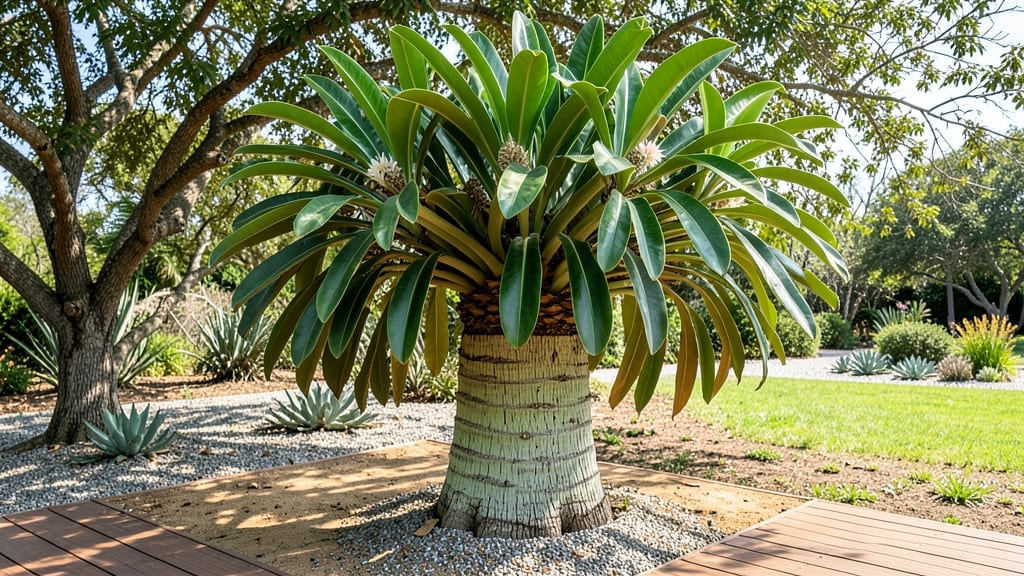
How can you tell when a tree is dead? That moment hits hard—especially when you’ve poured love into it for years. 🌳 The scratch test and bark inspection are the two fastest ways to confirm, and I’ll show you exactly how to do them right, without guessing. Most people assume a leafless tree is dead, but winter dormancy or drought stress can fool you.
Start by peeling back a small section of bark—healthy trees have moist, green tissue underneath, while dead ones reveal dry, brown layers. If the bark comes off easily or the wood underneath is crumbly, it’s a clear sign.
For stubborn cases, probe the trunk with a screwdriver: if it slides in without resistance, the tree is beyond saving.
You’ll know for sure when you see the contrast between living and dead wood—sometimes just a few inches apart. This method works for any tree, from young saplings to old oaks, and helps you decide whether to remove it or give it one last chance with deep watering.
Even if the tree is dead, don’t rush to cut it down—check local regulations first, and consider whether the stump could become a wildlife habitat or a future planting site. The right approach turns loss into a new beginning.
Root Causes Of Tree Death
Trees don’t just wither away without reason—they succumb to a mix of environmental stress, biological attacks, and human interference. Understanding why a tree dies helps you spot early warning signs and prevent future losses.
Here’s a breakdown of the most common culprits, backed by science, and what you can do about them.
Trees are resilient, but prolonged exposure to harsh conditions can push them past their limits. Drought, extreme heat, or freezing temperatures disrupt their ability to transport water and nutrients through their vascular system.
- Drought: When soil moisture drops below 15%, roots struggle to absorb water, causing xylem cavitation—air bubbles that block water flow. Without moisture, leaves wilt, and the tree eventually starves.
- Heatwaves: Temperatures above 95°F (35°C) for days can denature proteins in leaf cells, accelerating water loss. Evergreens, like pines, are especially vulnerable because they retain needles year-round.
- Frost Damage: Freezing temperatures rupture cell membranes in young trees or those with thin bark (e.g., birch or willow). The damage often starts at the cambium layer, the growth ring just beneath the bark.
💡 Pro Tip: Mulch heavily around the base (3–4 inches deep) to retain moisture and insulate roots. Drip irrigation during droughts can buy time for stressed trees.
Insects, fungi, and bacteria often invade before visible damage appears. By the time you see wilting or dead branches, the tree may already be beyond saving.
🐜 Invasive Insects
| Pest | How It Attacks | Signs of Infestation |
|---|---|---|
| Emerald Ash Borer | Larvae tunnel under bark, disrupting phloem (the tree’s food highway). The tree starves from the top down. | D-shaped exit holes, epicormic sprouts (suckers along the trunk), and canopy dieback. |
| Bark Beetles | Bore into the cambium, spreading blue-stain fungi that clogs water vessels. Stress from drought makes trees more susceptible. | Reddish sawdust-like frass at the base, pitch tubes (sap oozing from holes). |
| Gypsy Moths | Defoliate trees, stripping leaves and exposing them to sunburn and disease. Repeated attacks weaken the tree over years. | Skeletonized leaves, white egg masses on branches, and brown flagging (dead twigs). |
🍄 Fungal And Bacterial Infections
- Armillaria Root Rot: A honey-colored fungus that attacks roots and lower trunks, creating shelf fungi (conks) at the base. It thrives in compacted or waterlogged soil.
- Dutch Elm Disease: Spread by bark beetles, this fungus clogs the xylem, turning leaves yellow and causing sudden wilting. Elms are particularly vulnerable.
- Bacterial Leaf Scorch: Xylella fastidiosa blocks water-conducting vessels, causing leaf edges to brown. Common in oaks, sycamores, and maples.
🔥 Action Step: Prune infested branches 12+ inches below visible damage (pests often hide there). For fungal issues, improve air circulation and avoid overhead watering.
Even the hardiest trees can’t recover from severe trauma. Poor maintenance, construction, or accidents accelerate decline.
- Root Compaction: Heavy foot traffic, parking lots, or construction equipment crushes roots, reducing their ability to absorb water and nutrients. Girdling roots (roots that grow around the trunk) strangle the tree by cutting into the cambium.
- Mechanical Injury: Lawnmowers, string trimmers, or vehicle collisions sever roots or bark. A girdling wound (a strip of bark removed around the trunk) severs the tree’s circulatory system, causing death above the injury.
- Improper Pruning: Cutting too close to the trunk (within 6–12 inches of a branch collar) or removing more than 25% of the canopy in one year stresses the tree. Never top a tree—it creates weak, stubby regrowth prone to disease.
✨ Prevention Tip: Use root aeration to relieve compacted soil, and hire a certified arborist for pruning. Always prune in late winter or early spring when the tree is dormant.
A tree’s health starts below ground. If the soil lacks essential nutrients or is contaminated, the tree weakens and becomes susceptible to other threats.
- Nitrogen Deficiency: Leads to chlorosis (yellowing leaves) and stunted growth. Soil tests often reveal low organic matter or high pH (alkaline soil locks out nitrogen).
- Phosphorus/Potassium Imbalance: Weakens root systems, making trees vulnerable to drought and disease. Potassium is critical for cold hardiness.
- Soil Toxicity: High salt levels (from deicing or poor irrigation), lead, or arsenic disrupt cellular functions. Trees near roads or industrial sites are at risk.
- Waterlogging: Roots need oxygen—soggy soil suffocates them, leading to anaerobic conditions and rot. This is common in clay-heavy soils or low-lying areas.
📊 Diagnostic Test: Conduct a soil test (available through cooperative extensions) to check pH and nutrient levels. Amend soil with compost or mycorrhizal fungi to boost root health.
Most tree deaths are preventable with proactive care. The key is early intervention—whether it’s adjusting watering habits, treating pests, or improving soil conditions. Next, learn how to perform a scratch test to confirm if your tree is beyond saving.
Revive or Remove Dead Trees
Now that you’ve identified the cause of your tree’s decline, it’s time to take action—whether that means nursing it back to health or safely removing it to protect your property.
Below are practical, step-by-step solutions tailored to the most common reasons trees die, plus prevention tips to keep your greenery thriving.
If your tree is struggling due to root rot, compacted soil, or fungal infections:
🔧 Step 1: Assess the Damage
- Dig carefully around the base (1–2 feet deep) to inspect roots. Healthy roots are white or light brown; mushy, black, or smelly roots signal rot.
- Check for pests like termites or borers—look for tiny holes, sawdust-like frass, or weak branches.
💡 Step 2: Improve Soil & Drainage
- Aerate compacted soil with a garden fork or an aerator tool to help roots breathe.
- Add organic matter: Mix in compost or aged manure to boost nutrient levels and improve drainage.
- Adjust watering: If roots are waterlogged, reduce irrigation and consider installing French drains if needed.
🌡️ Step 3: Treat Fungal Infections
- Prune infected branches (sterilize tools with rubbing alcohol between cuts) to prevent spread.
- Apply fungicide: Use a copper-based or phosphite fungicide (like those for root rot) and follow label instructions.
- Mulch properly: Spread 2–4 inches of mulch (wood chips or straw) away from the trunk to retain moisture without suffocating roots.
✨ Prevention Tips
- Test soil annually for pH and nutrient levels (ideal range: 6.0–7.0).
- Avoid overwatering—trees need 1–1.5 inches of water per week, depending on climate.
- Inspect roots during storms—if soil erodes or floods frequently, consider grading adjustments.
If borers, beetles, or sap-sucking insects are killing your tree:
🔪 Step 1: Remove Severely Infested Branches
- Cut off any branches with sawdust piles (frass), oozing sap, or hollow tunnels.
- Bag and dispose of infested wood immediately to stop the spread.
👨🍳 Step 2: Apply Targeted Treatments
- For borers: Inject systemic insecticides (like imidacloprid) into the trunk or apply borax-based treatments.
- For beetles: Use neem oil spray or kaolin clay to deter adults from laying eggs.
- For aphids/mealybugs: Spray with soapy water or horticultural oil (repeat every 5–7 days).
🌿 Step 3: Strengthen Tree Health
- Fertilize with slow-release granules (high in nitrogen and potassium) to boost immunity.
- Encourage beneficial insects: Plant marigolds or lavender nearby to attract predator insects like ladybugs.
🎯 Prevention Tips
- Prune in late winter/early spring to remove weak branches before pests arrive.
- Keep trees healthy—stressed trees attract pests! Water deeply once a week during dry spells.
- Inspect trees bi-annually (spring and fall) for early signs of infestation.
If your tree died from wind, lightning, or mechanical injury:
🚧 Step 1: Stabilize the Tree (If Partially Alive)
- Brace weak trunks with tree supports or cables if the tree is still standing but unstable.
- Remove broken branches that could fall and cause further damage.
💀 Step 2: Decide: Save or Remove?
- Save it if:
- The crown is mostly intact and new growth appears in spring.
- The trunk shows no deep cracks or hollows.
- Remove it if:
- The tree is leaning dangerously (30°+ angle).
- There’s significant internal decay (tap the trunk—hollow sounds mean it’s a hazard).
🪓 Step 3: Professional Removal (When Needed)
- Hire an arborist for large or hazardous trees—DIY removal risks property damage or injury.
- Grind the stump if removing the root system isn’t feasible (use a stump grinder or vinegar-based remover).
🌡️ Prevention Tips
- Plant trees with strong root systems (e.g., oak, maple, or hickory) in wind-prone areas.
- Space trees 20–30 feet apart to reduce wind resistance.
- Install windbreaks (like shrubs or fences) in exposed yards.
If drought, extreme heat, or poor location are the culprits:
💧 Step 1: Adjust Watering Practices
- Deep watering: Use a soaker hose to water slowly at the root zone (6 inches deep) 2–3 times per week in droughts.
- Mulch heavily: Apply 4–6 inches of mulch (avoid piling against the trunk) to retain moisture.
🌳 Step 2: Provide Shade or Shelter
- Plant shade-loving species (e.g., dogwood, serviceberry) if the tree is in full sun.
- Use shade cloth temporarily for young trees in scorching climates.
🌡️ Step 3: Monitor Soil Temperature
- Avoid planting in hot, paved areas—use heat-reflective mulch or underground irrigation.
- Choose drought-resistant trees (e.g., crepe myrtle, redbud, or crape myrtle) if water is scarce.
🔥 Prevention Tips
- Water newly planted trees for the first 2 years—establishing roots take time!
- Group trees together to create a microclimate that retains humidity.
- Avoid planting near AC units or driveways—heat and salt stress trees.
Final Note: If your tree is beyond saving, removal is the safest option—but prevention is always easier than cure. Healthy soil, proper spacing, and regular care can extend your tree’s life for decades. 🌳✨
Frequently asked questions
Can a tree still be alive if it has no leaves?
Many trees naturally lose leaves in winter or during drought. Evergreens like pines and spruces keep their needles year-round, while deciduous trees shed foliage seasonally. Check for new buds in spring or perform a scratch test—healthy trees will show green beneath the bark.
How do I perform the scratch test correctly?
Use a sharp tool (like a knife or screwdriver) to scrape a small section of bark—about 1 inch wide. If you see green tissue underneath, the tree is alive. Brown, dry layers mean it's dead. Test multiple spots, especially near the base and trunk, for accuracy.
What if my tree is only partially dead?
Some trees survive with dead branches if the main trunk is still healthy. Prune the dead sections 12+ inches below the damage to prevent spread. If the trunk shows signs of decay (hollow sounds when tapped), removal may be safest to avoid hazards.
Can a tree come back to life after being declared dead?
Rarely, but it's possible if only the outer layers are damaged. Deep watering and proper care might revive stressed trees. However, if the wood is crumbly or the trunk is hollow, the tree is likely beyond recovery. Monitor for new growth in spring for confirmation.
Are there legal rules about removing dead trees?
Yes! Many cities require permits for tree removal, especially if the tree is large or protected. Check local regulations before cutting—some areas have ordinances to preserve mature trees. An arborist can help navigate legal requirements while ensuring safe removal.