
Container Gardens
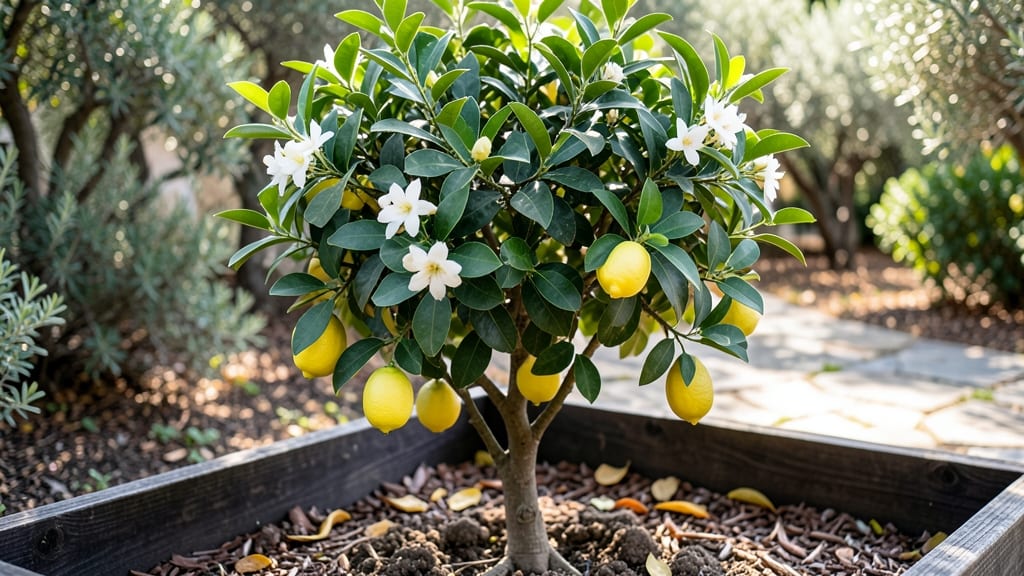
You can grow a lemon tree in Illinois using cold-resistant varieties like 'Meyer' or 'Ponderosa' lemon, but they must be grown in containers with winter protection since Illinois' USDA Zones 5-7 experience freezing temperatures that citrus can't survive outdoors year-round.
While Illinois' chilly winters make outdoor citrus growth challenging, container cultivation gives you the flexibility to move your tree indoors during cold snaps. 🌱 The key is selecting dwarf varieties that thrive in pots—Meyer lemons, for example, tolerate temperatures down to 20°F when properly protected.
I've found that adding a thick layer of mulch around the pot base and wrapping the container in bubble wrap during extreme cold prevents root damage. For those with balconies or greenhouses, creating a microclimate with shade cloths can extend outdoor growing seasons.
One common misconception is that all lemon trees need full sun exposure year-round. In reality, Illinois' intense summer sun can scorch leaves, so providing afternoon shade during peak heat months is crucial.
The right balance of light, temperature control, and container size (at least 15-gallon capacity) makes this citrus dream achievable even in the Midwest. Just be prepared to bring your tree inside when nighttime temperatures dip below 40°F.
💡 In This Article
- Why Lemon Trees Struggle in Illinois’ Climate
- Best Indoor/Outdoor Lemon Tree Varieties for Illinois Growers
Why lemon trees struggle in Illinois’ climate
Lemon trees originate from subtropical regions where temperatures rarely drop below 40°F, making Illinois' winters their Achilles' heel. The real damage occurs when cell walls in citrus leaves and stems rupture from ice crystal formation—a process called freeze-induced dehydration.
In USDA Zones 5-7, winter lows often plunge to 0°F to 10°F, well below even the hardiest citrus varieties' tolerance thresholds. 🌡️
The roots are particularly vulnerable because they lack the protective bark of stems and branches. When soil temperatures drop below 32°F, root cells begin to die from ice formation in their vascular tissues, cutting off water and nutrient supply to the entire plant.
Even if the above-ground portions survive, the tree will struggle to recover without healthy roots. Illinois' clay-heavy soils also exacerbate the problem by conducting cold efficiently, accelerating root damage.
Another critical factor is the photoperiod—the shorter daylight hours of winter. Citrus trees rely on consistent light exposure to maintain their metabolic processes. In Illinois, winter days provide only 9-10 hours of sunlight compared to the 14+ hours they need for optimal growth.
This light deprivation causes a physiological stress response, making trees more susceptible to cold damage when it does occur.
Even the hardiest varieties like 'Meyer' lemons can't survive prolonged exposure to frost. Their leaves may develop brown, crispy edges from ice damage, and flowers often fail to set fruit when temperatures fluctuate.
The key issue isn't just the cold itself, but the rapid temperature swings Illinois experiences—moving from 70°F days to 20°F nights creates thermal shock that citrus simply can't handle.
What most people overlook is how humidity plays a role. Illinois' dry winters (often 30% relative humidity) cause citrus leaves to lose moisture faster, making them more prone to frost damage. The combination of cold, dry air and frozen soil creates a perfect storm for citrus failure.
This is why container growing becomes essential—you can move the tree to a more controlled environment before damage occurs.
Understanding these mechanisms helps explain why even experienced gardeners in Illinois often see their citrus trees decline after just one harsh winter. The solution isn't just about choosing cold-hardy varieties, but creating an environment that mimics the stable conditions citrus needs to thrive. 🌱