
Pruning
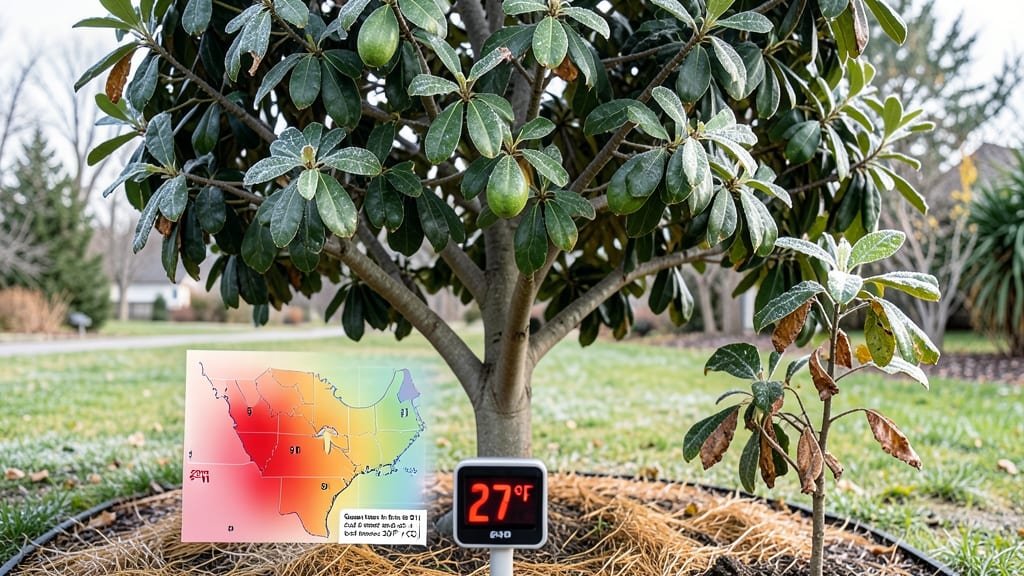
Guava tree cold hardiness depends on maturity and protection, with established trees handling 20-30°F (-6 to -1°C) but younger specimens struggling below 25°F (-4°C). Proper mulching and frost covers can push these limits in marginal zones.
Understanding guava tree cold hardiness means knowing how these tropical plants adapt to temperature shifts. 🌱 Mature trees develop thicker bark over time, which acts as natural insulation against brief cold snaps, while younger trees lack this protective layer.
The real vulnerability lies in the roots—exposed root systems can suffer irreversible damage even when the above-ground parts appear fine. I've seen firsthand how a single unexpected frost can turn lush foliage into crispy brown leaves if the tree isn't properly prepared.
What's particularly interesting is how guava trees respond differently to sudden cold versus prolonged chilly periods. A one-time dip to 25°F (-4°C) might cause leaf scorch but allow recovery, while consistent temperatures below 30°F (-1°C) over several days can kill the tree entirely.
This is why gardeners in Zone 8 often grow guavas in containers—they can move them indoors during winter months, giving the roots a fighting chance against prolonged cold stress.
💡 In This Article
- USDA Zones for Guava Trees: Exact Temperature Limits
- Protecting Guava Trees in Cold Climates: Step-by-Step
USDA zones for guava trees: exact temperature limits
Guava trees naturally thrive in USDA Zones 9-11, where winter temperatures rarely drop below 20°F (-6°C).
The key difference between zones lies in their cold tolerance thresholds: Zone 9 trees handle brief dips to 20°F (-6°C), while Zone 11 trees can survive down to 30°F (-1°C) without significant damage.
This variation occurs because Zone 11 guavas develop thicker bark and deeper root systems over time, creating natural insulation against cold snaps.
The real vulnerability lies in the tree's vascular system. When temperatures fall below 25°F (-4°C), the water within leaf cells begins to freeze, causing ice crystals to form and rupture cell walls—a process called cryoinjury.
This is why you'll often see leaf scorch (brown, papery edges) even when the tree's core remains intact. Mature trees can recover from this damage, but younger trees with thinner bark and less developed root systems may suffer permanent harm or even die.
Root health is the most critical factor in cold hardiness. Guava roots extend deep into the soil, where temperatures remain more stable than above ground.
However, if the soil freezes solid (common in Zone 8 winters), the roots lose their ability to absorb water and nutrients, leading to desiccation stress.
This is why mulching with 4-6 inches of organic matter (like wood chips or straw) becomes essential—it insulates the soil and maintains a more consistent temperature near the roots.
Here's what happens at different temperature thresholds:
- Above 30°F (-1°C): Minimal damage, normal growth
- 25-30°F (-4 to -1°C): Leaf scorch, possible flower/fruit drop
- 20-25°F (-6 to -4°C): Bark damage, root stress in young trees
- Below 20°F (-6°C): Severe damage or death, especially in Zone 8
What most gardeners don't realize is that guava trees can actually harden off in response to gradually dropping temperatures. This process, similar to how many fruit trees prepare for winter, involves the tree producing more antifreeze proteins in its cells. However, this hardening takes 2-3 weeks of cool (but not freezing) nights—something that doesn't happen in sudden cold snaps typical of Zone 8 winters.
For visual reference, imagine a guava tree's bark like a tree's winter coat: mature trees develop a thicker, rougher bark that resembles elephant skin, while young trees have smooth, almost papery bark that offers little protection.
This is why a 5-year-old tree might survive 28°F (-2°C) while a 2-year-old sapling could be damaged at 30°F (-1°C). The bark's texture isn't just cosmetic—it's a direct indicator of cold resilience.
In my own garden, I've noticed that guava trees in containers actually handle cold slightly better than in-ground plants because the pot insulates the roots more effectively.
The key is keeping the container elevated off cold, frozen ground and wrapping the pot in bubble wrap or frost cloth during extended cold periods. This simple trick can push a Zone 8 guava's tolerance down to 18°F (-8°C) for short durations.