
Trees
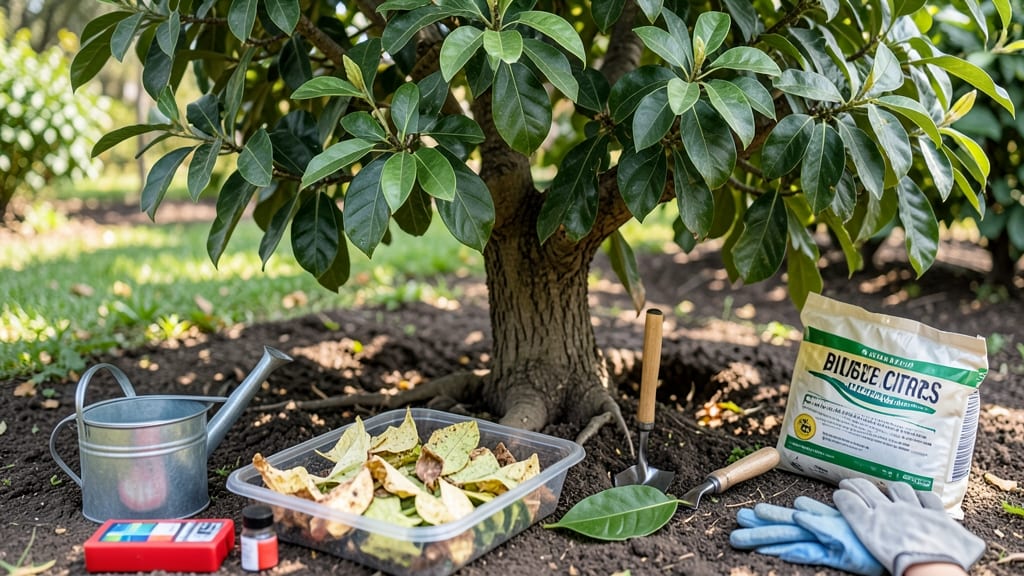
Avocado tree leaves turning yellow isn’t just unsightly—it’s your tree’s SOS signal. 🌿 I’ve seen this happen when my own avocado’s roots starve for nutrients, or when watering turns from a sip to a flood. The good news?
Most yellowing leaves fix themselves once you adjust care, and the process is simpler than you’d think. Start by checking the soil: if it’s soggy, you’re overwatering; if it’s bone-dry, you’re underwatering. Nutrient deficiency often shows as yellowing between leaf veins—think of it as a map pointing to what’s missing.
A quick soil test (or even a pinch test) tells you if your tree needs iron, nitrogen, or just better drainage. By the end of 3 simple steps, your leaves will turn back to that rich, healthy green.
You’ll spot the difference within a few weeks, and your tree will reward you with glossy new growth. This works for container-grown trees too—no yard required.
Here’s the kicker: fixing yellow leaves isn’t just about throwing fertilizer at the problem. It’s about matching your tree’s needs to its environment. My avocado thrives now because I stopped guessing and started observing—like noticing how the yellowing always started after heavy rains. Small tweaks make the biggest difference.
You’ll also learn how to prune correctly (yes, even yellow leaves can stay if they’re not the problem) and when to repot for better root health. The goal isn’t perfection—it’s a tree that stays vibrant, not one that’s constantly fighting to survive. Let’s get those leaves back to their best.
Root Causes Behind Yellowing Leaves
When your avocado tree’s leaves start turning yellow, it’s often a cry for help—your tree is trying to tell you something’s off. Understanding the why behind the discoloration is the first step to saving your plant.
Below, we break down the most common culprits, explained in simple terms with actionable insights to diagnose the issue.
Avocado trees (Persea americana) are tropical but hate soggy roots. Yellowing leaves, especially when paired with drooping or mushy stems, often signal root rot—a fungal infection caused by excess moisture. Here’s how it happens:
- Why it happens:
- Avocados thrive in well-draining soil (pH 6.0–7.0). If water pools around the roots, oxygen can’t reach them, suffocating the tree and inviting pathogens like Phytophthora.
- Container-grown trees are high-risk—pots without drainage holes trap water, accelerating rot.
- Yellowing often starts on older leaves (a sign of systemic stress) and spreads downward.
- Red flags:
- Leaves feel slimy or blackened when touched.
- Soil smells musty or rotten.
- New growth is stunted or wilts quickly after watering.
💡 Pro Tip: Stick your finger 2 inches into the soil—if it’s damp, wait to water. Avocados prefer dry spells between waterings (every 1–2 weeks for potted trees, less in ground-planted ones).
Yellow leaves can also scream “Feed me!”—especially if they’re paired with pale veins or leaf drop. Avocados are heavy feeders, and deficiencies in key nutrients trigger chlorosis (yellowing). Here’s the breakdown:
| Nutrient | Yellowing Pattern | Why It Happens | Quick Fix |
|---|---|---|---|
| Nitrogen (N) | Older leaves turn yellow overall (not just veins). | Nitrogen fuels leaf growth. Deficiency often occurs in poor soil or after heavy fruiting. | Apply a balanced fertilizer (e.g., 6-6-6) in early spring. |
| Iron (Fe) | Young leaves show yellow between veins (interveinal chlorosis). | Iron is immobile in soil, especially in alkaline conditions (pH >7.0). Avocados can’t access it. | Use chelated iron (e.g., iron sulfate) or lower soil pH with sulfur. |
| Magnesium (Mg) | Yellowing starts at leaf edges, then spreads inward. | Magnesium is vital for chlorophyll. Deficiency often follows over-fertilizing with nitrogen (which competes for uptake). | Apply Epsom salt (1 tbsp/gallon of water) every 2 weeks. |
| Potassium (K) | Yellowing + brown leaf tips or weak stems. | Potassium regulates water balance. Deficiency stresses roots, making them less efficient at nutrient uptake. | Use a potassium-rich fertilizer (e.g., banana peel tea or greensand). |
🔥 Warning: If yellowing is accompanied by black spots, it could be nutrient burn from over-fertilizing. Flush the soil with water to dilute excess salts.
Tiny invaders like spider mites, scale insects, or thrips can drain your avocado tree’s sap, causing leaves to yellow, curl, or drop prematurely. Here’s how to spot them:
- Spider Mites:
- Tiny yellow/brown specks on leaves (actually mite droppings).
- Leaves turn yellow and crispy on the underside.
- Webbing between leaves (like a fine spiderweb).
- Scale Insects:
- Sticky honeydew residue on leaves (attracts ants and sooty mold).
- Small, brown/bumpy spots on stems or leaves.
- Leaves yellow and wilt as sap is siphoned.
- Root-Knot Nematodes:
- Yellowing starts on lower leaves (roots are infected).
- Roots look gnarled or swollen (like knots).
- Tree stagnates despite proper care.
💡 Pro Tip: Blast pests off with a strong spray of water, then treat with neem oil (1 tsp/gallon) or insecticidal soap. For nematodes, solarize the soil (cover with plastic for 4–6 weeks) or plant marigolds nearby (they repel nematodes).
Avocados are sensitive to extreme conditions, and sudden changes can trigger yellowing. Common culprits:
- Too Much Sun:
- Leaves scorch (yellow/brown edges) in direct afternoon sun.
- Common in container-grown trees moved from shade to full sun.
- Fix: Provide dappled shade (e.g., sheer curtain) for 2–4 hours/day.
- Cold Drafts:
- Yellowing + blackened leaf tips after temperatures drop below 30°F.
- Avocados are tropical—they cannot tolerate frost.
- Fix: Move potted trees indoors or to a garage if frost is forecasted.
Revive Your Avocado Tree Now
Yellowing leaves on your avocado tree aren’t just an eyesore—they’re a cry for help! The good news? Most causes have simple fixes, and with a little TLC, your tree can bounce back to lush, vibrant green.
Below, we’ve mapped out practical solutions for each common issue, along with prevention tips to keep your tree thriving long-term. Let’s get your avocado back in top shape!
Signs: Yellowing leaves with soft, mushy spots, wilting, or a foul smell from the soil.
How to Fix It: 🔥 Step 1: Check the Soil
- Stick your finger 2–3 inches deep into the soil. If it’s soggy, your tree is drowning. Avocados hate "wet feet"—they need well-draining soil to prevent root rot.
🍳 Step 2: Adjust Your Watering Routine - Water deeply but infrequently: Wait until the top 1–2 inches of soil are dry before watering again.
In summer, this might mean every 7–10 days; in winter, every 2–3 weeks. - Upgrade your pot (if potted): Ensure it has drainage holes and use a mix of potting soil + perlite or sand (60/40 ratio) for better aeration.
👨🍳 Step 3: Improve Drainage
- If your tree is in the ground, amend the soil with compost or coarse sand to break up clay.
- For potted trees, repot into a slightly larger container with fresh, well-draining mix.
💡 Pro Tip: Use a moisture meter to avoid guesswork—it’s a game-changer for overwatering woes!
Signs: Pale yellow leaves (especially older ones), slow growth, or leaves that feel thin or papery.
How to Fix It: 🌡️ Step 1: Test Your Soil
- Grab a DIY soil test kit (or send a sample to a local extension office) to check pH (ideal: 6.0–7.0) and nutrient levels. Avocados crave nitrogen, potassium, and magnesium.
📊 Step 2: Fertilize Right - For potted trees: Use a balanced, slow-release fertilizer (like 6-6-6 or 10-10-10) every 2–3 months in spring/summer.
Avoid fertilizing in winter. - For in-ground trees: Apply compost or organic fertilizer (like fish emulsion or banana peel tea) around the drip line (not too close to the trunk). - Targeted fixes: - Yellowing between veins? → Magnesium deficiency (Epsom salt spray: 1 tbsp per gallon of water, applied monthly). - New leaves yellow? → Nitrogen deficiency (use a high-nitrogen fertilizer or coffee grounds).
✨ Pro Tip: Mulch matters! Spread 2–3 inches of organic mulch (like wood chips) around the base (but not touching the trunk) to retain moisture and nutrients.
Signs: Yellowing with sticky residue (aphids), holes or chewed edges (mites/spider mites), or black spots/mold (fungal issues).
How to Fix It: 🔪 Step 1: Identify the Culprit
- Aphids/Scale: Look for tiny bugs or white cottony masses on leaves/stems.
- Spider Mites: Check for fine webbing on undersides of leaves.
- Fungal Issues: Black/yellow spots or powdery mildew (white fuzzy coating).
🚿 Step 2: Treat Naturally First
- Pests:
- Neem oil spray (1 tsp neem oil + 1 tsp mild soap + 1 quart water) every 5–7 days until pests vanish.
- Blast off aphids with a strong stream of water.
- Fungal Issues:
- Prune infected leaves and dispose of them far from the tree.
- Apply copper fungicide or a baking soda spray (1 tsp baking soda + 1 quart water + a drop of soap).
🎯 Pro Tip: Prevent future infestations by:
- Spraying neem oil preventatively every 2–3 months.
- Encouraging beneficial insects (like ladybugs) by planting marigolds or basil nearby.
Signs: Yellowing on one side (often the side facing harsh sun/wind), leaf scorch (brown edges), or sudden wilting.
How to Fix It: ⏰ Step 1: Shield from Harsh Elements
- Too much sun? Move your potted tree to partial shade (avocados love morning sun + afternoon shade).
- Too much wind? Stake young trees or place them near a windbreak (like a fence or other plants).
🌿 Step 2: Optimize Humidity
- Avocados hate dry air. If your home is arid, mist leaves daily or place a pebble tray with water nearby.
- Group potted trees together to create a microclimate.
💡 Pro Tip: Transplant shock? If you recently moved your tree, yellowing is normal for 2–4 weeks. Keep it well-watered but not soggy and avoid fertilizing until new growth appears.
Want to keep your avocado tree’s leaves perfectly green?
Follow this maintenance manual: ✅ Water wisely: Deep and infrequent—never on a schedule. ✅ Fertilize seasonally: Spring/summer only, with a balanced organic fertilizer. ✅ Monitor pests early: Inspect leaves weekly (especially undersides). ✅ Prune properly: Remove yellow/diseased leaves to redirect energy to healthy growth. ✅ Repot when needed: Every 2–3 years for potted trees to refresh soil and roots.
Your avocado tree’s yellowing leaves don’t have to be a mystery—just a sign it’s time to tune in and adjust! With these targeted fixes, you’ll see new green growth in weeks. 🌿✨ Now go give that tree the care it deserves!
Frequently asked questions
Why do only the older leaves turn yellow first?
This is your avocado tree’s natural way of conserving energy. When nutrients are scarce or roots struggle, the tree prioritizes new growth by "recycling" nutrients from older leaves. Think of it like a survival mechanism—older leaves yellow first to feed the younger, more productive ones.
Can I prune yellow leaves to fix the problem?
Pruning helps, but only if the yellowing is caused by pests, disease, or nutrient burn. Remove only 20-30% of the yellowed leaves at a time to avoid shocking the tree. Never prune if the yellowing is due to root rot or severe overwatering—fix the root cause first!
How often should I fertilize if my avocado leaves are yellow?
Start with a balanced organic fertilizer (like 6-6-6) every 2 months during growing season (spring/summer). For nutrient deficiencies: iron (monthly chelated spray) or magnesium (Epsom salt every 2 weeks). Avoid fertilizing in winter when growth slows.
What’s the fastest way to tell if my tree has root rot?
Gently dig around the roots—healthy roots are white or light tan. If they’re black, mushy, or smell foul, you’ve got root rot. For potted trees, lift the pot: if it feels unusually heavy from soggy soil, that’s your warning sign.
Will yellow leaves grow back green?
Only if the underlying problem is fixed! New leaves will emerge green if you correct watering, nutrients, or pest issues. Old yellow leaves won’t revert—prune them off to make room for fresh growth. With proper care, you’ll see vibrant new leaves in 4-6 weeks.