
Container Gardens
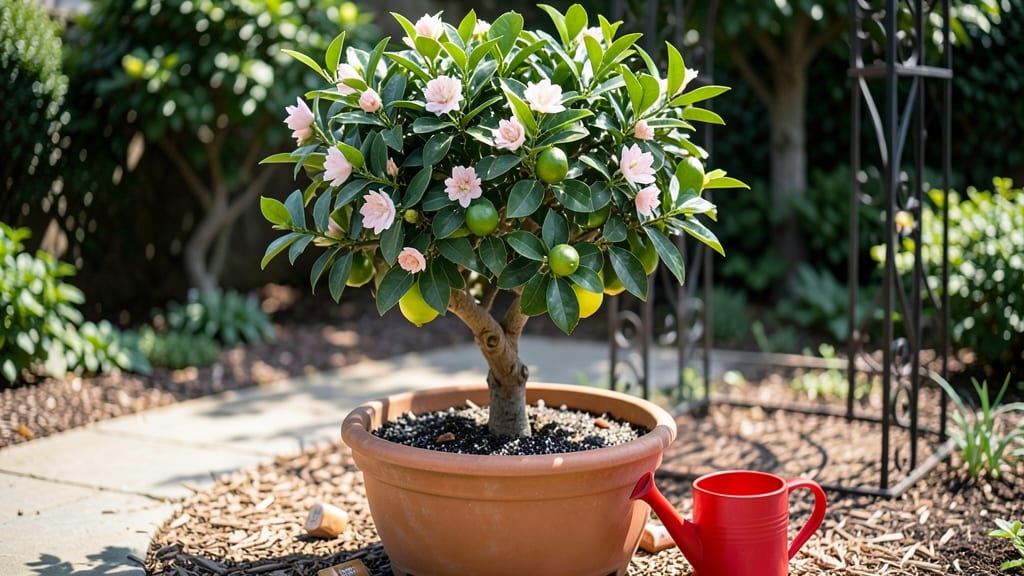
Growing fruit trees in fruit tree container gardening lets you enjoy homegrown apples, peaches, and citrus—even on a tiny balcony. 🌱 My first attempt with a dwarf apple tree in a 15-gallon pot proved that small spaces can produce big harvests when you pick the right varieties and care for them properly.
The key is dwarf or semi-dwarf varieties bred for containers, like 'Columnar' apples, 'Patio' peaches, or 'Calamondin' citrus—all of which stay compact without special pruning. You’ll need a container at least 15 gallons (bigger for stone fruits), well-draining soil, and a spot with 6-8 hours of sunlight daily.
Overwatering is the #1 killer, so I use a moisture meter to keep roots happy without drowning them.
By summer, you’ll watch tiny blossoms turn into fruit, and with proper pruning, these trees can produce for 10+ years. The best part? No lawnmower needed—just a watering can and a little patience. Let’s get those roots growing!
Start with a 5-gallon container for young trees, then upgrade to 15-25 gallons as they mature. Mix 60% potting soil, 30% compost, and 10% perlite for drainage—this combo prevents root rot while feeding growth.
Mulch the top to retain moisture, and fertilize every 4-6 weeks with a balanced fruit-tree formula during growing season.
Pruning isn’t just about shaping—it’s about airflow. Cut back dead or crossing branches in late winter, and thin out 20% of the canopy to focus energy on fruit production. I learned the hard way that skipping pruning leads to crowded branches and smaller harvests.
With the right care, your container tree could yield 50+ apples in its first productive year!
Common mistakes? Overpotting (roots need room to breathe), ignoring drainage (soggy soil = sad trees), and forgetting winter protection in cold zones. Move containers indoors near a sunny window or wrap them in burlap if temps drop below 20°F.
Even in small spaces, these trees thrive with the right setup—no backyard required!
📚 In This Guide
- What you need
- Instructions
- Tips and common mistakes
- Wrapping up and next steps
What you need
- ● Container: A large, durable pot (at least 18–24 inches deep and 12–18 inches wide) with drainage holes. Example: Fabric grow bags, ceramic, or plastic barrels.
- ● Dwarf fruit tree: Choose a variety suited for containers (e.g., Columnar Apple, Patio Pear, or Bush Cherry). Ensure it’s 3–5 years old for best results.
- ● Well-draining potting mix: A blend of 50% high-quality potting soil, 30% compost, and 20% perlite or sand (avoid garden soil—it compacts!).
- ● Drainage layer: 2–3 inches of gravel, pebbles, or broken pottery at the bottom of the container.
- ● Slow-release fertilizer: A balanced, organic fertilizer (10-10-10 or similar) mixed into the soil at planting.
- ● Support stake or trellis: A metal or wooden stake (4–6 ft tall) or a small trellis for training vining varieties.
- ● Pruning tools: Bypass pruners (for clean cuts) and hand pruners for smaller branches.
- ● Self-watering system: A wicking bed or drip irrigation kit to keep roots consistently moist.
- ● Mulch: Straw or wood chips to retain moisture and regulate soil temperature.
- ● Container saucer or tray: To catch excess water and prevent messes.
- ● Soil moisture meter: A handy tool to check root-zone hydration without overwatering.
- ● Fruit tree spray: Organic fungicide or insecticide (e.g., neem oil) to protect against pests.
Step-by-step guide to growing dwarf fruit trees in containers
Here's how to cultivate healthy, productive fruit trees in limited spaces—no yard required.
🪴 Step 1: Select the Right Dwarf Variety and Container
Choose a dwarf variety suited to your climate—apples, peaches, or citrus thrive in containers. The container must be at least 18-24 inches deep with drainage holes to accommodate root growth. I recommend 5-gallon fabric grow bags for their breathability or glazed ceramic pots for aesthetic appeal and durability.
Ensure the container has a saucer or tray underneath to catch excess water and prevent root rot. If using a decorative pot without drainage, line the bottom with 2-3 inches of gravel first. This setup mimics natural soil layers while preventing waterlogging, which is critical for dwarf fruit trees.
🌱 Step 2: Prepare the Potting Mix and Planting Site
Fill the container with a well-draining potting mix blended with 20% perlite or vermiculite to improve aeration. Avoid garden soil—it compacts in containers and suffocates roots. I add a slow-release fertilizer (10-10-10 ratio) to the mix for initial nutrient boost, ensuring the tree has food for its first growing season.
Place the container in a location with full sun exposure (6-8 hours daily). South-facing windowsills or patios work well, but if indoors, supplement with a grow light positioned 12-18 inches above the tree. Watch for leaves turning pale or stretching toward the light—this signals insufficient intensity.
💧 Step 3: Plant and Water for Establishment
Remove the young tree from its nursery pot and loosen the roots gently if they’re circling. Plant at the same depth as it was in the nursery pot, ensuring the graft union (the bump near the base) is 1-2 inches above soil level. This prevents water from pooling around the graft, which can cause rot.
Water deeply until it drains from the bottom, then let the top 1-2 inches of soil dry out before watering again. Overwatering is the fastest way to kill a container fruit tree—roots need oxygen as much as moisture. After planting, mulch the surface with 1-2 inches of organic mulch (like shredded bark) to retain moisture and regulate temperature.
☀️ Step 4: Maintain Light, Water, and Fertilizer Through the Season
Fruit trees need consistent light—rotate the container quarter-turn weekly to ensure even growth. In summer, if temperatures exceed 90°F, provide afternoon shade to prevent leaf scorch. Prune leggy growth in early spring to encourage a balanced shape, cutting back to just above a leaf bud or outward-facing branch.
Fertilize every 4-6 weeks during the growing season with a balanced liquid fertilizer, halving the recommended dose to avoid burning roots. You’ll notice new leaves emerging within 2-3 weeks of fertilization—that’s your signal the tree is thriving. In fall, reduce watering and stop fertilizing to let the tree enter dormancy.
⏰ Step 5: Winter Care and Year-Round Success
Move containers indoors or to a protected, unheated space (like a garage) if winter temperatures drop below 20°F. Wrap the pot in burlap or a frost blanket for added insulation. For tropical varieties like citrus, keep them in a bright, cool room (50-60°F) with moderate humidity. Watch for brown leaf edges—this often signals dry air or overwatering.
Come spring, repot into a slightly larger container if roots are circling the drainage hole. Prune dead or crossing branches to maintain airflow and shape. With proper care, your dwarf fruit tree will bear fruit in 2-3 years—small but sweet rewards for container gardening.
Tips & tricks for perfect fruit tree container gardening
These game-changing insights will help you avoid common pitfalls and maximize your dwarf fruit tree's potential in containers.
Container Depth Matters: While the instructions specify 18-24 inches, I've found that deeper containers (up to 30 inches) give trees more stability and room for root expansion, especially for varieties like peaches that develop larger root systems. If your container is on the shallower side, consider adding a layer of expanded clay pebbles at the bottom to create extra rooting space. This mimics natural soil depth while preventing compaction.
Light Intensity Check: The 6-8 hours of full sun requirement is non-negotiable, but not all sunlight is equal. Position your container where it receives direct morning sun and afternoon shade during peak summer months (when temperatures exceed 90°F). I use a simple trick: if you can see your shadow with distinct edges at midday, that's ideal sunlight intensity. For indoor grow lights, LED arrays with a color temperature of 5000K-6500K provide the spectrum closest to natural sunlight.
Watering Wisdom: That 1-2 inch soil dryness guideline is perfect, but here's the secret: water at the base rather than overhead to prevent fungal diseases. I use a long, thin watering wand to reach deep into the soil where roots are actively growing. For tropical varieties like citrus, I add a humidity tray underneath the container during dry indoor conditions—this mimics their natural environment without overwatering.
Fertilizer Timing: The 4-6 week fertilization schedule works, but I've noticed trees respond better when fertilized right after pruning in early spring. This gives the tree a nutrient boost as it begins active growth. For organic options, try fish emulsion or compost tea every 8 weeks instead of synthetic fertilizers—they provide slow-release nutrition without risk of burning roots. Always water thoroughly before and after fertilizing to prevent salt buildup in the soil.
Pro Tips for Fruit Tree Container Gardening
- These game-changing insights will help you avoid common pitfalls and maximize your dwarf fruit tree's potential in containers.
- If your container is on the shallower side, consider adding a layer of expanded clay pebbles at the bottom to create extra rooting space.
- Light Intensity Check: The 6-8 hours of full sun requirement is non-negotiable, but not all sunlight is equal.
Frequently asked questions
Got questions about growing fruit trees in containers? You’re not alone—it’s a rewarding but unique gardening adventure! Here are answers to the most common queries to help you succeed with fruit tree container gardening.
What are the best dwarf fruit tree varieties for containers?
Dwarf varieties like columnar apple trees, patio peach trees, bush citrus (e.g., Meyer lemon), and miniature figs thrive in pots. Look for "dwarf," "semi-dwarf," or "columnar" labels—these stay compact (6–10 ft tall) and produce fruit without taking over your space. Pro tip: Check your USDA zone to pick cold-hardy or heat-tolerant types!
When is the best time to plant a fruit tree in a container?
Plant in early spring (after the last frost) or late fall (6–8 weeks before your first frost). Avoid extreme heat or cold—roots need time to establish. If buying a potted tree, transplant it before buds break in spring. Bonus: Container trees can be moved indoors (e.g., citrus) in winter for tender varieties!
How often should I water a fruit tree in a container?
Containers dry out fast—water when the top 1–2 inches of soil feel dry (usually every 2–3 days in summer, less in winter). Use well-draining soil and a 5-gallon pot per year of tree age (e.g., a 3-year-old tree needs a 15-gallon container). Watch for: Yellowing leaves (overwatering) or wilting (underwatering). Mulch helps retain moisture!
Why isn’t my container fruit tree bearing fruit?
Common reasons include:
- Age: Young trees (under 3 years) focus on growth, not fruit.
- Pollination: Some varieties (like apples) need a second tree for cross-pollination.
- Sunlight: Most fruit trees need 6–8 hours of sun daily.
- Nutrients: Fertilize with citrus-specific or fruit-tree fertilizer in spring/summer.
Can I grow fruit trees in containers year-round, or do I need to move them?
It depends! Tender trees (citrus, figs, peaches) may need winter protection (move indoors, use frost cloth, or grow in a greenhouse). Hardy trees (dwarf apples, cherries) can stay outside if insulated with burlap or mulch. Key tip: Research your tree’s hardiness zone and plan ahead for seasonal shifts!
Wrapping up and next steps
Container gardening with dwarf fruit trees proves that small spaces can yield big rewards—literally! 🍎 With the right variety, container, and care, you’ll enjoy fresh, homegrown fruit while adding beauty and function to your patio, balcony, or even windowsill.
Whether you’re a seasoned gardener or just starting out, this approach makes fruit-growing accessible and rewarding.
Ready to get started? Pick your favorite dwarf variety, gather your supplies, and plant with confidence. Your future self—and your taste buds—will thank you!