
Fertilization
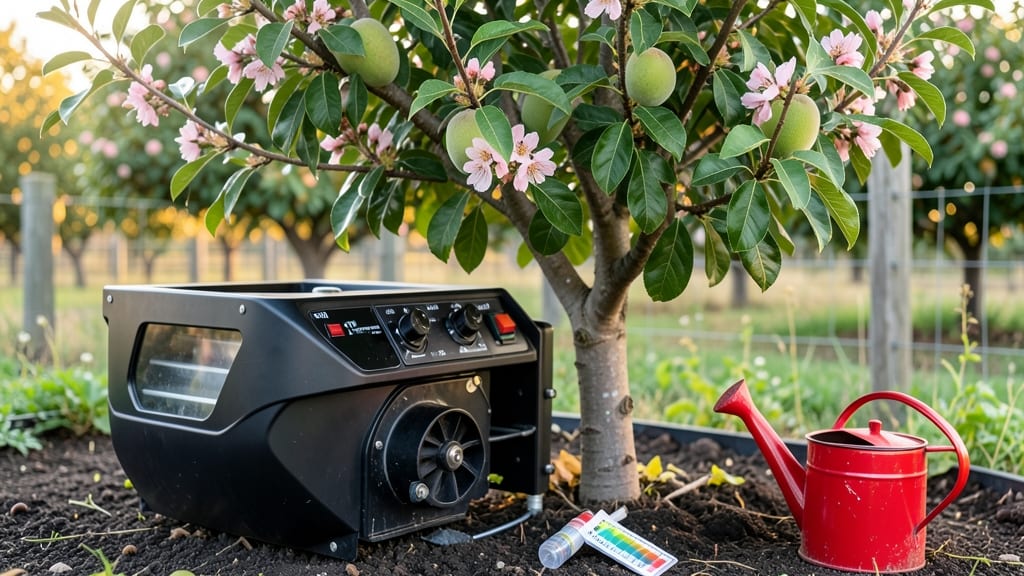
A peach tree fertilization schedule is the key to turning your backyard into a sweet, juicy harvest—if you time it right. 🍑
Struggling to get your peach tree to produce year after year? The secret isn’t just any fertilizer—it’s feeding your tree when it needs it most. Too much too soon?
You’ll end up with leafy vines and no fruit. Too little? Your tree might just give up. I’ve seen both firsthand, and the difference is all in the timing.
Peach trees thrive when you sync their food with their natural growth cycles. Start in early spring when buds swell, then light feedings through summer to support fruit development. By late summer, it’s time to back off—your tree’s hard work is done for the year.
Skip fall and winter entirely, or you’ll confuse the roots just as they’re preparing for dormancy.
In this guide, I’ll walk you through the exact schedule—organic options, synthetic shortcuts, and how to spot when you’ve overdone it. By the time you’re done, your tree will be bursting with flavor, and you’ll know exactly why.
Seasonal peach tree fertilization schedule by growth stage
Fertilizing your peach tree isn’t a one-size-fits-all task—it’s a seasonal dance with your tree’s growth stages. From dormant winter to fruit-bearing summer, each phase demands a different nutrient approach.
Skip the guesswork and follow this month-by-month guide to ensure your tree thrives and produces juicy, abundant peaches year after year.
Peach trees need three primary nutrients: nitrogen (N) for leaf growth, phosphorus (P) for root development, and potassium (K) for fruit production. A balanced 10-10-10 fertilizer works well, but timing is everything.
Over-fertilizing can lead to leaf burn or excessive vegetative growth, while under-fertilizing stunts fruit production. Let’s break down the ideal fertilization schedule by season.