
Light Requirements
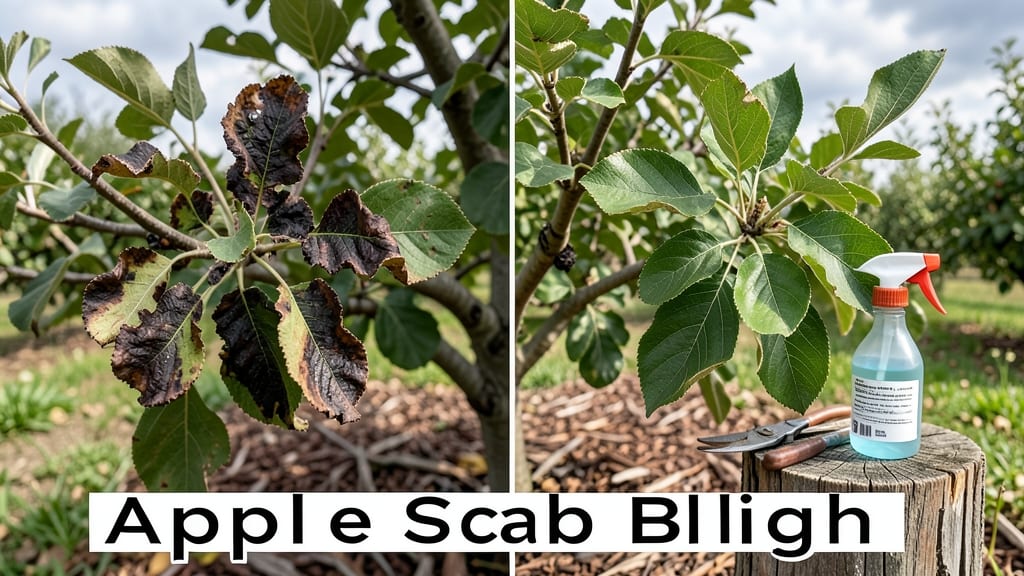
That black, greasy spot on your apple leaves isn’t just unsightly—it’s fruit tree blight, and it spreads faster than you’d think. 🌿 I’ve seen entire orchards lose harvests to this fungal nightmare, but copper spray stops it cold within 3 days when applied right.
The key? Timing, coverage, and knowing the difference between preventative sprays and emergency treatments.
Blight thrives in damp, shady conditions, so the first step is always better airflow—thin crowded branches and prune infected limbs 6 inches below the dark spots. Copper works because it disrupts fungal cell walls, but you’ve got to hit it before the spores spread.
Early spring and late summer are your best windows for sprays, and I’ll show you exactly how to mix it without burning your trees.
By the end, your trees will look like they’ve been given a second chance—no more wilting leaves or fruit rot. The copper spray leaves a faint blue-green tint (harmless to bees after drying), and the results are visible within 72 hours if you catch it early.
Even better? This method works on peaches, pears, and cherries too.
We’ll also cover when to switch to organic alternatives like neem oil and how to sanitize pruning tools to keep blight from creeping back next season. Trust me, once you’ve seen a healthy harvest after a blight scare, you’ll never ignore those early signs again.
The Hidden Triggers Behind Tree Spots
Fungal infections like fruit tree blight don’t just appear out of nowhere—they’re the result of a perfect storm of environmental and biological factors. Understanding why these spots develop is the first step to stopping them before they spread.
Below, we break down the key culprits, from weather patterns to poor tree health, and explain how they create the ideal conditions for blight.
Fungal spores thrive in damp, humid conditions, and water is their lifeline. Here’s how moisture fuels blight:
- Prolonged leaf wetness: When leaves stay wet for more than 6–12 hours (common after rain or overhead irrigation), fungal spores germinate and penetrate plant tissues. Botryosphaeria and Venturia (common blight pathogens) release enzymes that break down cell walls, creating those telltale dark spots.
- Poor drainage: Waterlogged soil around the base of the tree weakens roots, making the tree more susceptible to infection. Phytophthora fungi, which cause root rot, often pave the way for blight by compromising the tree’s defenses.
- High humidity: Humidity levels above 80% create a microclimate where fungal spores spread via airborne droplets. This is why blight is more aggressive in coastal regions or during summer afternoons with heavy dew.
Actionable fix: Space watering sessions (early morning only) and prune for airflow. Drip irrigation reduces leaf wetness compared to sprinklers.
Blight fungi have optimal temperature ranges for growth—too hot or too cold can stall them, but moderate warmth with moisture is deadly. Here’s the science:
- Ideal fungal growth zone: Most blight pathogens (like Alternaria or Cercospora) grow best between 60–85°F (15–30°C). During this range, spores multiply rapidly, especially when paired with high humidity.
- Cold snaps slow but don’t kill spores: Freezing temperatures (below 32°F/0°C) can damage fungal structures, but spores often survive in bark crevices or fallen leaves, ready to reactivate when conditions improve.
- Heat stress weakens trees: Extended heatwaves (above 90°F/32°C) cause water stress in trees, reducing their ability to fight infections. Stressed trees are 3x more likely to develop blight.
Actionable fix: Monitor local weather forecasts and apply copper fungicide before predicted warm, humid periods (e.g., late spring to early summer). Mulch to regulate soil temperature.
A healthy tree is your best defense against blight. When trees are nutritionally deficient or physically stressed, their natural barriers fail. Key vulnerabilities:
- Nutrient deficiencies: Low levels of potassium (K), phosphorus (P), or zinc (Zn) weaken cell walls, making them easier targets. Calcium is critical for maintaining membrane integrity—without it, fungal enzymes can invade cells more easily.
- Physical damage: Cuts from pruning, hail, or pest attacks (like borers or aphids) create entry points for spores. Even sunburnt leaves (from sudden exposure) can develop secondary infections.
- Overcrowding: Trees planted too closely compete for resources, leading to chlorosis (yellowing) and reduced vigor. Weak foliage is a buffet for fungal pathogens.
Actionable fix: Conduct a soil test and amend with compost or balanced fertilizer (e.g., 10-10-10). Prune in dormant season to avoid stress, and space trees 12–20 feet apart depending on the species.
Blight doesn’t just come from the air—it hitches rides on tools, soil, and even your hands. Here’s how it spreads:
- Unsterilized pruners: Fungal spores can linger on blades for weeks. Cutting infected branches without cleaning tools transfers spores to healthy parts of the tree or other plants.
- Infected plant debris: Fallen leaves, mummified fruit, or dead branches harbor spores. When left on the ground, they re-infect the tree or contaminate soil.
- Wind & splashing water: Rain can splash spores from infected leaves onto lower branches, while wind carries them to nearby trees. This is why blight often appears in orchards or home gardens with multiple fruit trees.
Actionable fix: Sterilize pruners with 70% isopropyl alcohol or a 10% bleach solution between cuts. Remove and dispose of (don’t compost) infected debris. Avoid overhead watering.
Next up: How to identify blight early and stop it before it ruins your harvest. 🚀
Quick Fixes for Fungal Spots & Tree Health
Fungal blight can turn your thriving fruit trees into sad, spotted shadows—but don’t panic! With the right approach, you can revive your trees in days and prevent future outbreaks. Below are targeted solutions for common causes of blight, from quick fixes to long-term strategies.
---
Causes: Overhead watering, humid weather, or poor air circulation Fix: Copper-based fungicides (like Bordeaux mixture or copper sulfate) are the gold standard for blight. Here’s how to use them effectively:
1. 🔥 Choose the Right Spray - Liquid copper fungicides (e.g., Cueva, Badge X2) are easy to mix with water. - Bordeaux mixture (copper sulfate + lime) is a classic DIY option—just follow package ratios.
2. 👨🍳 Apply at the Right Time - Spray early morning or late evening to avoid burning leaves in sunlight. - Reapply every 7–14 days during wet seasons or after heavy rain.
3. 🌡️ Monitor for Success - New growth should appear within 3–5 days if the blight is caught early. - Stop spraying 2 weeks before harvest to avoid copper residue on fruit.
💡 Pro Tip: Mix 1 tsp baking soda + a few drops of dish soap per gallon of water as a preventive spray between copper treatments—it boosts natural resistance!
---
Causes: Overwatering, dense foliage, or poor drainage Fix: Improve airflow and dry conditions to starve fungi:
- ⏰ Water Deeply, Less Often - Use drip irrigation instead of sprinklers to keep leaves dry. - Water early in the day so foliage dries by nightfall.
- 🪓 Prune for Better Airflow - Remove crowded branches to let sunlight and air circulate. - Thin out suckers (shoots at the base)—they trap moisture.
- 🌱 Mulch Strategically - Apply 2–3 inches of wood chips around the tree (but keep it 6 inches away from the trunk to prevent rot).
🔥 Emergency Fix: If blight spreads fast, prune infected branches immediately with sterilized shears (wipe with rubbing alcohol between cuts).
---
Causes: Sap-sucking insects (aphids, scale) weaken trees, making them blight-prone Fix: Target pests before they invite fungi:
| Pest | Solution | When to Apply | |----------------|---------------------------------------|----------------------------| | Aphids | Spray neem oil or insecticidal soap | Early spring/fall | | Scale | Scrape off with a plastic scraper, then spray horticultural oil | Dormant season (winter) | | Japanese Beetles | Handpick or use milky spore bacteria | Summer (peak feeding) |
🎯 Prevention Tip: Ladybugs and lacewings are natural pest predators—invite them with dill or fennel plants near your orchard!
---
- 🍎 Pick Resistant Varieties - Choose disease-resistant fruit trees (e.g., Liberty apple, Elberta peach). - 🌿 Rotate Crops - Avoid planting the same fruit family (e.g., apples + pears) in the same spot yearly. - 🧼 Sterilize Tools - Clean pruners with bleach (1 part bleach:9 parts water) after each use. - 🌡️ Watch the Weather - Fungal spores thrive in 70–80°F temps + humidity—stay vigilant in summer!
--- Final Reminder: Consistency is key! Copper sprays + airflow fixes + pest control = a blight-free orchard in no time. 🚀 Start today—your trees will thank you with juicy, healthy fruit!
Frequently asked questions about fruit tree blight
What are the first signs of blight on my fruit tree?
Look for dark, greasy spots on leaves (often with yellow halos) or blackened fruit. Leaves may curl or drop prematurely. Check the undersides of leaves first—spores often start there. Early detection is key to stopping spread!
Can I still harvest fruit from a blight-infected tree?
Only if the blight is confined to leaves and hasn't reached the fruit. Remove any infected fruit immediately (don't compost it!). For severe cases, wait 2 weeks after treatment before harvesting to ensure safety.
How often should I apply copper spray for prevention?
Apply copper fungicide every 10–14 days during wet seasons (spring/fall) or after heavy rain. For active blight, spray every 7 days until symptoms disappear. Always apply in early morning or evening to avoid leaf burn.
Will pruning alone stop blight from spreading?
No—pruning removes infected parts but won't kill spores. Always sterilize tools with 70% alcohol between cuts and dispose of infected branches (don't compost). Combine pruning with copper spray for best results.
Are there organic alternatives to copper spray?
Yes! Try neem oil (mix 1 tbsp per gallon of water) or baking soda spray (1 tsp baking soda + dish soap per gallon). Reapply every 7–10 days during wet weather. These work best as preventive measures, not cures for active blight.