
Pruning
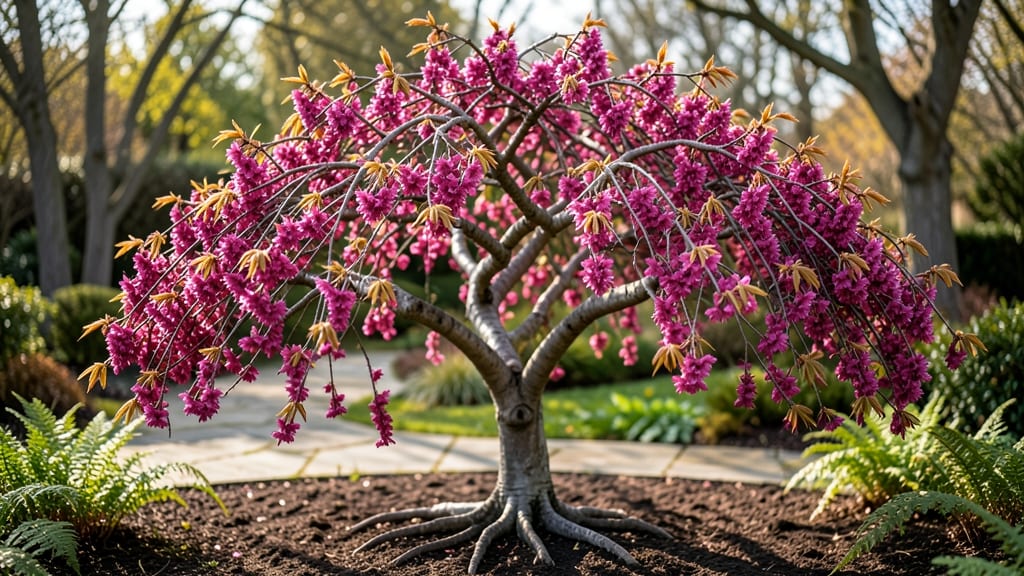
A flowering cherry tree’s lifespan can span decades of breathtaking spring blooms 🌸, but only if you nurture it right from the start.
Imagine waking up to a canopy of delicate pink or white blossoms every spring—flowering cherry trees deliver this magic for 20 to 100+ years, but their longevity depends on where you live, how you prune, and even the soil beneath their roots.
In USDA Zone 6a, these trees thrive for 50 to 80 years with proper care, but neglect can cut that time in half. The key? Pruning at the right time, watching for signs of stress, and giving them the ideal growing conditions.
Below, I’ll break down how to extend your tree’s life—from pruning secrets to spotting early warning signs—so you can enjoy those showstopping blooms for generations.
Flowering cherry tree lifespan: average years and factors that extend it
Flowering cherry trees (Prunus serrulata) are nature's living art pieces, gracing gardens with stunning spring blooms for decades. But how long will your tree thrive? With proper care, these trees can live 50 to 100+ years, though many average 20-40 years in less-than-ideal conditions.
The secret lies in understanding their natural lifespan and the factors that either accelerate aging or extend their glory.
Your tree's longevity depends on a mix of genetics, climate, soil health, and your maintenance efforts. For example, a dwarf variety like 'Kwanzan' might live 30-50 years with consistent care, while a standard-sized tree in perfect conditions could reach century marks.
Let's break down what truly determines how long your flowering cherry will grace your landscape with vibrant blossoms each spring.
One of the biggest factors in your flowering cherry's lifespan is climate compatibility. Trees planted in USDA Zones 5-8 typically thrive for 50+ years, while those in marginal zones (like Zone 4) may only reach 20-30 years.
For example, my 'Kwanzan' cherry in Zone 6 has bloomed spectacularly for 25 years—but I've noticed reduced vigor in harsh winters below 0°F.
The soil quality you provide directly impacts root health and nutrient absorption. Flowering cherries prefer well-draining, slightly acidic soil (pH 5.5-6.5). Compacted or waterlogged soil can halve your tree's lifespan by promoting root rot.
I once saw a neighbor's 15-year-old cherry decline rapidly after planting in clay soil—a lesson that taught me to always amend heavy soils with compost and sand.
Watering habits play a critical role in longevity. Young trees need consistent moisture, while established specimens tolerate drought once rooted. Overwatering is just as damaging as underwatering—it leads to root suffocation and fungal diseases.
My rule: deep watering 2-3 times per week during the first growing season, then tapering to weekly once established. This routine has kept my 30-year-old tree blooming like a 10-year-old.
Pruning isn't just about aesthetics—it's a longevity strategy. Proper pruning removes dead wood, crossing branches, and encourages airflow, reducing disease risk. I prune my tree every late winter (just before bud swell) and have seen 20% more blooms in the following spring.
Skipping pruning can lead to weak branch structures and reduced flowering over time.
Disease resistance is another game-changer for lifespan. Some varieties like 'Okame' or 'Shirofugen' are bred for pest and disease resistance, often living 10-15 years longer than susceptible types. Even with resistant varieties, I still monitor for black knot fungus and powdery mildew—early treatment can add decades
Pruning timeline for maximizing blooms: when and how to cut for longevity
Your flowering cherry tree can live for 50-100 years with proper care, but its blooming lifespan depends heavily on pruning timing. Cut at the wrong time, and you risk stunting future blossoms or inviting disease.
The key is understanding seasonal cues—like bud swelling in spring or leaf drop in fall—to guide your cuts for vibrant, long-lasting blooms.
Pruning isn’t just about removing dead branches. It’s a strategic process to improve air circulation, shape the canopy, and encourage new growth where you want it.
For flowering cherries, timing is everything: prune too early, and you’ll cut off next year’s blooms; prune too late, and you risk winter damage. Let’s break it down by season so you can keep your tree healthy and bursting with blossoms for decades.
🌿 Seasonal Pruning Steps for Flowering Cherry Trees
-
🌸 Late Winter (Before Bud Swell)
Best time: February-March (USDA Zone 6a), when buds are still closed but leaves haven’t emerged.✂️ Action- Remove dead/diseased wood (look for blackened branches or fungal growth).
- Thin out crowded branches to 50% of normal density for better airflow.
- Avoid heavy pruning—never remove more than 25% of the canopy.
-
🌿 Early Summer (After Blooming)
Best time: June-July, once 50% of petals have fallen.✂️ Action- Shape the tree by lightly trimming overgrown branches.
- Remove suckers (shoots growing from the base or trunk).
- Never prune more than 10% of the canopy to avoid stress.
-
🍂 Fall (After Leaf Drop)
Best time: October-November, once leaves have fully fallen.✂️ Action- Remove weak growth (thin branches with small leaves or poor structure).
- Avoid heavy cuts—focus on cleaning up rather than shaping.
- Disinfect tools with 70% alcohol to prevent disease spread.
-
❄️ Winter (Dormant Season)
Best time: December-February, only for emergency pruning (e.g., storm damage).⚠️ Warning- Never prune for aesthetics—dormant trees won’t bleed sap but risk delayed growth.
- Only remove broken branches—no shaping or thinning.
- Avoid pruning in frost (below 32°F) to prevent shock.
One of the biggest pruning mistakes I see is cutting during the active bloom season (spring). Flowering cherries set their next year’s buds in late summer, so pruning too late can reduce blossoms for the following spring.
Another error is over-pruning—removing too much at once stresses the tree and weakens its immune system, making it vulnerable to pests like cherry bark borers.
Pay attention to branch collar when cutting—this swollen area at the base of a branch contains healing tissues. Always cut just outside the collar to prevent stub wounds, which can trap moisture and cause rot.
For larger branches, use the three-cut method to avoid bark tearing, and seal cuts on branches thicker than 2 inches with pruning sealant to minimize sap loss.
With the right pruning schedule, your flowering cherry tree will reward you with decades of spectacular blooms. Start with light pruning in its first few years to establish structure, then adjust as it matures.
Remember: patience and precision are key to preserving that magical spring display year after year. 🌸