
Pruning
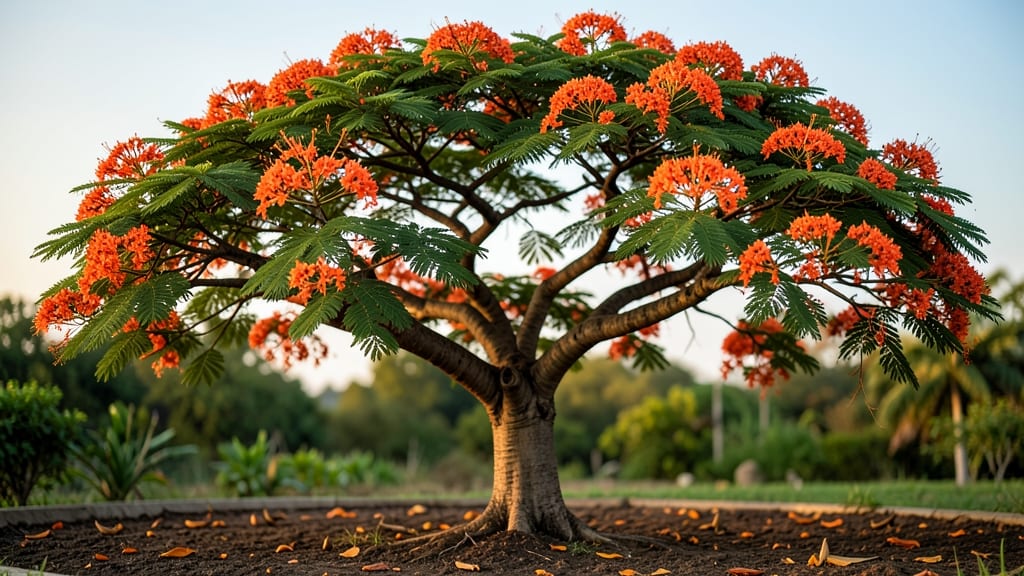
The Florida flame tree thrives with strategic pruning in late winter (February–March) to remove dead branches and shape growth, followed by light trimming after spring blooms (April–May) to encourage new flowers. Avoid heavy pruning during active growth seasons to preserve vibrant foliage and future blooms.
The Florida flame tree's vibrant blooms and lush foliage depend on timing that aligns with its natural growth cycles. 🌿 Pruning during dormancy in late winter lets you clean up without stressing the tree, while post-bloom trimming prevents overcrowding and directs energy toward next year's flowers.
Florida's warm climate means you can avoid the harsh cuts that might shock trees in colder regions, but precision matters—cutting too aggressively risks weakening the tree's structure or reducing bloom production.
This two-phase approach works because Florida flame trees grow actively in spring and summer, so heavy pruning would remove too many leaves and buds. Instead, light shaping after blooms removes spent flowers and encourages new growth without disrupting the tree's energy reserves.
The key is working with the tree's rhythm, not against it.
💡 In This Article
- Why Late Winter Pruning Boosts Florida Flame Tree Health
- Step-by-Step Florida Flame Tree Pruning Guide
Why late winter pruning boosts Florida flame tree health
The Florida flame tree enters a natural dormancy phase in late winter, making it the ideal time for pruning. During this period, the tree's growth slows significantly, reducing sap flow and minimizing stress from cuts.
This dormancy typically occurs between February and March in Florida's climate, aligning with the state's cooler, drier season. Pruning during this window allows the tree to focus its energy on healing wounds and preparing for spring growth rather than fighting active sap flow.
Florida's mild winters (averaging 50-60°F) create a unique advantage compared to northern climates. Unlike trees in colder regions that might face frost damage, Florida flame trees experience a gentle slowdown rather than a complete shutdown.
This means you can remove up to 25-30% of the tree's canopy without causing shock, as the tree's metabolic processes remain stable.
The key is timing—pruning too early (before January) risks exposing fresh cuts to potential fungal infections from lingering humidity, while waiting too long (after March) may stimulate premature growth before the tree is ready.
This strategic timing also prevents disease spread. Florida's warm, humid environment creates perfect conditions for fungal infections like anthracnose, which thrive on fresh wounds. By pruning during dormancy, you allow cuts to heal before the rainy season arrives in spring.
The tree's natural wound closure process accelerates in warmer temperatures, but starting with clean, dry conditions gives it the best chance to recover. Think of it like giving your tree a fresh start before the growing season's main event.
What's happening biologically is fascinating: when you make clean cuts at the branch collar (the swollen area where the branch meets the trunk), you're actually stimulating the production of callus tissue. This protective layer forms more quickly in dormant trees because their energy isn't being diverted to new growth.
In Florida's climate, this process can complete within 4-6 weeks—much faster than in cooler climates where healing might take months. The result? Stronger branches and more vigorous spring regrowth.
The Florida flame tree's response to late winter pruning is particularly visible in its foliage density and flower production. Trees pruned correctly during this window often show 20-30% more blooms the following spring because you're removing competing branches that would otherwise divert energy from flower production.
The open canopy created by proper pruning also improves air circulation, which is crucial in Florida's humid climate for preventing fungal issues that could otherwise reduce bloom quality.
Here's what most gardeners miss: the tree's root system is actively absorbing water and nutrients during this period, preparing for spring's growth surge. When you prune at the right time, you're essentially giving the roots a heads-up to ramp up nutrient storage.
This synchronization between above-ground pruning and below-ground root activity creates the perfect conditions for robust new growth. 🌟