
Pruning
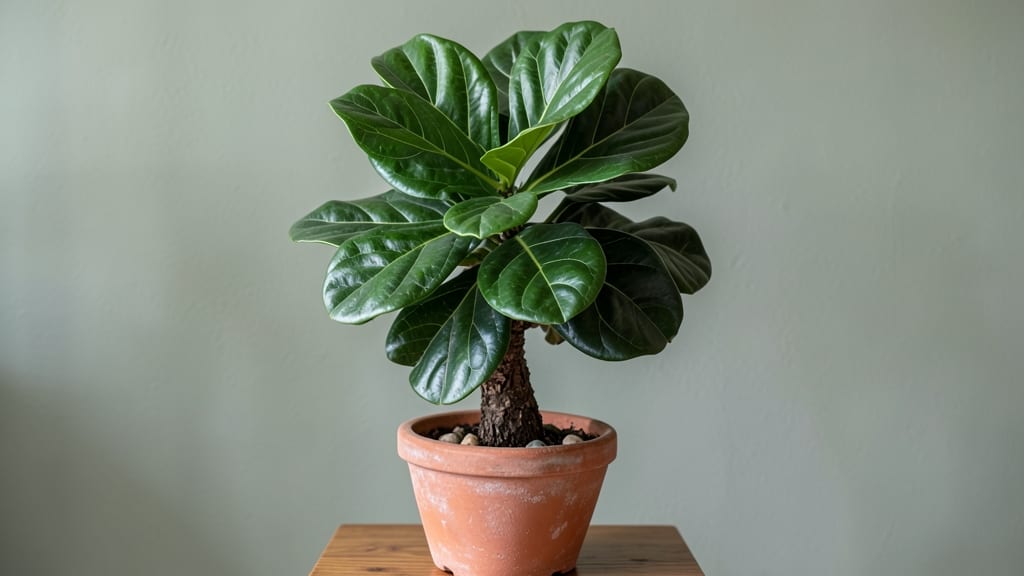
My small ficus tree transformed from a leggy stick into a lush, bushy centerpiece after I discovered these pruning secrets. 🌿 The key? Pinching, not shearing—it’s the difference between a sad, sparse plant and one that fills out beautifully in just a few months.
Indoor ficus trees like Robusta or rubber plants need bright, indirect light (think east or north windows) and well-draining soil to stay compact. Overwatering is the silent killer—let the top inch dry out between drinks, and you’ll avoid root rot that stunts growth.
The right balance keeps your tree sturdy and encourages those thick, glossy leaves everyone loves. With proper pruning, your ficus will grow fuller, not taller, and produce new growth within 4-6 weeks. The best part?
You can propagate those cuttings to fill gaps or share with friends—it’s like getting a second tree for free. Just avoid harsh pruning in winter when the plant slows down. Works for any small space, from apartments to offices.
Here’s how to keep yours thriving year-round without taking up the whole room.
📚 In This Guide
- What you need
- Instructions
- Tips and common mistakes
- Wrapping up and next steps
What you need
- ● Sharp pruning shears – Choose bypass pruners (for clean cuts) or anvil pruners (for thicker branches). Size: 4- to 6-inch blades for small ficus branches.
- ● Rubbing alcohol (70% or higher) – 1 small bottle (for sterilizing tools between cuts to prevent disease).
- ● Horticultural gloves – A pair of lightweight, breathable gloves (to protect hands from sap and thorns).
- ● Disposable gloves or paper towels – For quick cleanup of sap or sticky residue.
- ○ Small container or bucket – To collect clippings (optional but helpful for composting or propagation).
- ● Pencil and notebook – For sketching a pruning plan if you’re reshaping your ficus.
- ● Rooting hormone – If you plan to propagate cuttings (gel or powder form).
- ● Small pruning saw – Only if your ficus has thicker branches (½ inch or larger).
- ● Plant food or fertilizer – A balanced liquid fertilizer (10-10-10) to nourish your ficus post-pruning.
- ● Spray bottle with water – To mist fresh cuts and encourage faster healing.
- ● Twine or plant ties – If you’re training new growth in a specific direction.
Step-by-Step guide to growing a compact ficus tree indoors
Here's how to keep your ficus tree small and thriving without sacrificing its health or beauty.
🌱 Step 1: Select the Right Variety for Small Spaces
Not all ficus trees stay compact—stick with dwarf varieties like the Ficus microcarpa or Ficus benjamina 'Exotica'. These grow naturally smaller and respond well to pruning. I always check the plant tag at the nursery because even within the same species, some growers sell larger cultivars labeled as "dwarf."
Look for a young plant with a sturdy trunk and multiple branches—this ensures you start with a well-formed structure. Avoid leggy seedlings; they'll struggle to fill out even with proper care. A 4-6 inch tall plant gives you the best balance of size and maturity for indoor growth.
☀️ Step 2: Position for Optimal Light Without Overheating
Ficus trees need bright, indirect light to stay compact, but direct sun will scorch leaves and cause rapid, uncontrolled growth. Place your tree near an east-facing window where morning light is gentle, or use sheer curtains on a south-facing window to diffuse harsh afternoon rays.
Rotate the pot quarter turn weekly so all sides receive even light—this prevents lopsided growth and keeps the foliage dense. You'll notice new leaves growing toward the light if it's uneven, which is your cue to adjust the position immediately. In winter, supplement with a grow light 12-14 hours daily if natural light drops below 6 hours.
💧 Step 3: Master the Watering Balance for Controlled Growth
Overwatering is the #1 reason ficus trees grow too fast and become unruly. Water only when the top 1-2 inches of soil feel completely dry—stick your finger in to check. I use the "damp sponge test": squeeze a handful of soil; if it crumbles easily, it's dry enough. If it sticks together, wait another day.
Use room-temperature water to avoid shocking the roots, and water until it drains freely from the bottom. Empty the saucer after 10 minutes to prevent root rot. In winter, reduce watering by half since growth slows dramatically. Yellowing leaves usually mean you're overwatering—not underwatering.
✂️ Step 4: Prune Strategically to Maintain Shape and Size
Prune in early spring just as new growth begins, cutting back leggy stems to encourage bushier growth. Use clean, sharp pruning shears and make cuts just above a leaf node (the bump where leaves attach). This is where new branches will sprout—your compact shape starts here.
Don't cut more than one-third of the plant's height at once. You'll see fresh new leaves emerging within 4-6 weeks, signaling successful pruning. Save your clippings! Root them in water or directly in soil to propagate new plants—ficus trees root easily from cuttings.
🪴 Step 5: Fertilize Lightly for Slow, Controlled Growth
Use a balanced, water-soluble fertilizer (10-10-10 or 20-20-20) diluted to half-strength every 6-8 weeks during spring and summer. Over-fertilizing causes rapid, weak growth that's hard to control. I always fertilize right after watering to prevent root burn from concentrated salts.
In fall and winter, skip fertilization entirely—your ficus enters a natural dormancy period. You'll notice slower leaf production and fewer new shoots, which is normal. Resume feeding in early spring when you see new growth emerge. Flush the soil with water every 3 months to prevent salt buildup from old fertilizer.
Tips & tricks for perfect compact ficus growth
Keeping your ficus tree small takes patience and a few key tricks that make all the difference.
Variety Matters: When selecting your dwarf ficus, look for plants labeled "Exotica" or "microcarpa" at nurseries. These varieties naturally stay compact and respond beautifully to pruning. I've found that plants labeled "dwarf" sometimes grow larger—always check the tag for the specific cultivar name. A 4-6 inch starter plant gives you the perfect balance of maturity and manageable size for indoor growth.
Light Balance: The quarter-turn weekly rotation in Step 2 is crucial—it prevents that lopsided look where leaves stretch toward the light. I've seen plants grow unevenly when people forget this step, with all new growth leaning toward one side. In winter, if your days drop below 6 hours of light, supplement with a grow light for 12-14 hours daily to maintain that compact shape. The light should be just bright enough to read under, not harsh.
Pruning Precision: In Step 4, when you're pruning those leggy stems, make your cuts just above a leaf node—this is where new branches will sprout. I learned this the hard way by cutting too close to the trunk, which left bare spots. You'll know you're doing it right when you see fresh new leaves emerging within 4-6 weeks. Don't be afraid to prune—it's how you control that compact shape!
Fertilizer Timing: The 6-8 week feeding schedule in Step 5 is perfect for controlled growth, but timing matters. Always fertilize right after watering to prevent root burn from concentrated salts. In fall and winter, skip feeding entirely—this dormancy period helps maintain that compact form. I flush the soil with water every 3 months to prevent salt buildup, which can actually stunt growth over time.
Pro Tips for Ficus Tree Small
- Keeping your ficus tree small takes patience and a few key tricks that make all the difference.
- Variety Matters: When selecting your dwarf ficus, look for plants labeled "Exotica" or "microcarpa" at nurseries. The...
- Light Balance: The quarter-turn weekly rotation in Step 2 is crucial—it prevents that lopsided look where leaves stre...
Frequently asked questions
How do I keep my ficus tree small indoors?
Prune regularly (every 3–6 months) to encourage bushier growth. Use clean, sharp shears to trim back leggy stems or overgrown branches. Pinch new growth tips when the plant is young to promote branching. Place it in bright, indirect light and avoid overwatering—root-bound stress can stunt growth naturally.
Can I grow a ficus tree small in a tiny pot?
Yes! Choose a small, well-draining pot (1–2 sizes larger than the root ball) to restrict growth. Ficus trees like Ficus benjamina or Ficus lyrata thrive in containers. Repot only every 2–3 years or when roots circle the pot. Warning: Overpotting can lead to rapid, unruly growth.
When is the best time to prune a small ficus tree?
Prune anytime except during winter dormancy. Early spring or late summer are ideal—new growth will recover faster. For shaping cuts, trim just above a leaf node. To encourage bushiness, cut back stems by 1/3. Pro tip: Wipe shears with rubbing alcohol between cuts to prevent disease.
What if my ficus tree grows too tall despite pruning?
If your ficus keeps stretching, it’s likely light-starved or root-bound. Move it to a sunnier spot (but avoid direct sun) or repot into a slightly larger container. For extreme cases, top the plant (cut the main stem) to force new growth from the sides. Bonus: Rotate the pot monthly for even growth.
Are there dwarf ficus varieties perfect for small spaces?
Try these compact options:
- Ficus pumila (Creeping Fig): Trails beautifully in hanging pots.
- Ficus microcarpa ‘Ginseng’: Slow-growing with twisted, gnarled trunks.
- Ficus benjamina ‘Exotica’: Variegated leaves, stays under 6 feet with pruning.
All thrive in low-light conditions and need minimal space.
Wrapping up and next steps
Growing a small ficus tree indoors is totally doable—even in tight spaces! With the right pruning techniques, proper tools, and a little patience, you can shape a thriving, compact plant that adds life to your home.
Remember, consistency is key: regular trims keep your ficus lush, healthy, and perfectly sized for your space.
Ready to take the next step? Grab your pruners, dust off that shelf, and give your ficus the love it deserves! Start small, stay patient, and watch your tiny tree grow into a stunning indoor centerpiece. 🌿✨