
Pruning
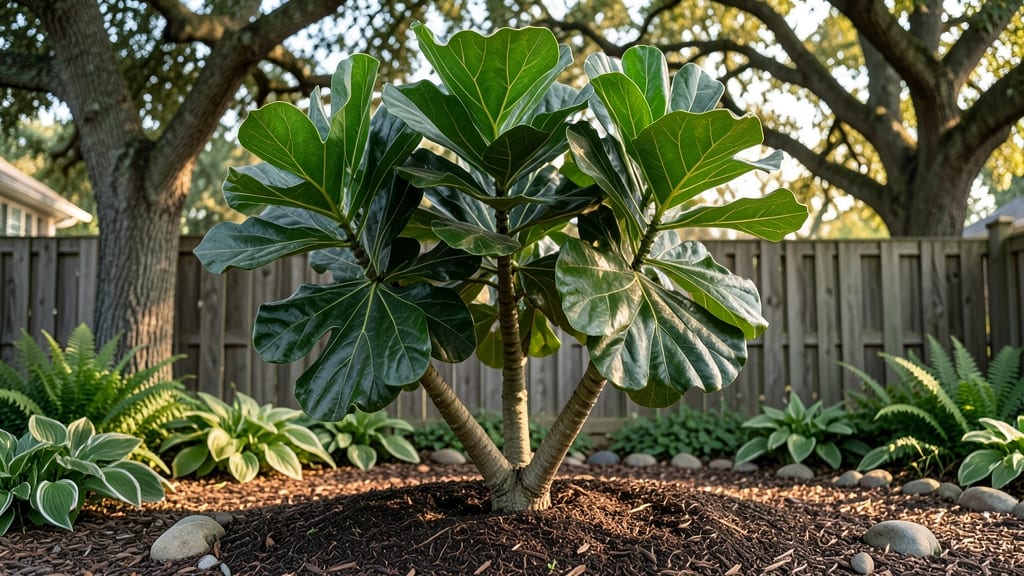
Growing a Ficus lyrata tree outdoors means waking up to glossy, violin-shaped leaves that turn every room into a tropical escape. 🌿 I’ve learned the hard way that outdoor fiddle-leaf figs need a balance of sun, shelter, and smart pruning—or they’ll drop leaves faster than you can say "summer heatwave."
The key is mimicking its native habitat: bright, indirect light, well-draining soil, and protection from harsh winds or frost. Unlike indoor plants, outdoor figs can handle more sunlight but still need afternoon shade in hot climates.
My tree thrives in a large container (15+ gallons) where I can move it indoors before winter—though some gardeners plant them permanently in frost-free zones. Pruning isn’t just about shaping; it’s about encouraging year-round growth.
Trim leggy stems in spring to encourage bushier foliage, and snip yellowing leaves anytime to keep the plant looking its best. The real magic happens when you time it right—just before new growth starts in early spring. This plant rewards patience with dramatic, lush foliage that lasts all season.
Whether you’re container-gardening on a patio or planting it as a statement piece in your yard, the secrets to keeping it thriving outdoors come down to light, water, and a little strategic pruning.
📚 In This Guide
- What you need
- Instructions
- Tips and common mistakes
- Wrapping up and next steps
What you need
- ● Pruning shears: Bypass pruners (sharp, clean, and sterilized with rubbing alcohol to prevent disease). Size: 5–7 inches (ideal for medium branches).
- ● Gloves: Heavy-duty gardening gloves (to protect from sap and thorns). Tip: Opt for breathable fabric to avoid sweaty palms! 😅
- ● Disinfectant: 70% isopropyl alcohol or a horticultural spray (for cleaning tools between cuts).
- ● Rubbing alcohol wipes: 10–20 wipes (for quick tool sterilization in the field).
- ○ Pruning saw: Optional but helpful for thicker stems (20–24 inches, with a fine-tooth blade).
- ● Plant tie or twine: ¼-inch wide, biodegradable (to support new growth or secure cuts if needed).
- ● Watering can or hose: With a gentle spray nozzle (to hydrate the plant post-pruning).
- ● Mulch: Organic mulch (e.g., shredded bark or compost) to retain moisture and protect roots. Quantity: 2–3 inches spread around the base.
- ● Sun protection: Lightweight shade cloth (if pruning during peak sun hours to avoid stress).
- ● Notebook & pen: To jot down pruning notes (e.g., branch locations, dates, or growth patterns).
- ● Best time to prune: Early spring (before new growth) or late winter. Pro tip: Avoid pruning in fall—it can stunt winter recovery! ❄️
- ● Weather check: Prune on a calm, overcast day (or early morning) to reduce stress on the plant.
- ● Tool prep: Sharpen and sterilize all tools 24 hours before use to prevent bacterial spread.
Step-by-Step guide to pruning your Ficus lyrata tree for year-round beauty
Pruning your fiddle-leaf fig outdoors isn’t just about shaping—it’s about unlocking denser foliage and stronger growth.
✂️ Step 1: Choose the Right Time for Pruning
Spring is your best window—after new growth appears but before summer heat sets in. I always wait until mid-to-late April in my zone, when the tree has pushed out 3-4 inches of fresh growth. Pruning at this stage encourages bushier branching without stressing the plant during dormancy or extreme heat.
If you must prune in summer, do it on an overcast day to reduce stress. Avoid winter pruning entirely—the tree’s energy is focused on survival, not recovery. Watch for new leaf clusters at branch tips; that’s your cue the tree’s ready for a trim.
🌿 Step 2: Gather Tools and Sanitize for Healthy Cuts
Use only sharp, clean pruning shears—dull blades crush stems, inviting disease. I wipe mine down with rubbing alcohol before each use, especially if the last cut was on a different plant. For thicker branches, grab your pruning saw (never use loppers—they leave jagged edges).
Sterilize tools again after every 3-4 cuts to prevent fungal spread. You’ll know you’re ready when the shears glide through stems without resistance and the blades leave clean, smooth cuts. Avoid pruning when the tree is wet—moisture lingering on tools spreads pathogens faster.
✂️ Step 3: Identify and Remove Problem Growth
Start by locating dead or yellowing leaves—these are your first targets. Snip them at the base where they meet the stem, making a 45-degree angle just above a leaf node. Next, cut back any leggy stems that stretch toward light; these rarely produce leaves and weaken the tree’s structure.
Look for crossing branches rubbing against each other—these will eventually tear the bark. Remove the smaller of the two, cutting back to a healthy outward-facing bud. I always step back after each cut to visualize the tree’s shape; pruning is as much about art as it is science.
🌱 Step 4: Shape for Fullness and Airflow
To encourage a bushier tree, prune just above a leaf node where you want new growth to emerge. Cut at a 1/4-inch above the node to avoid damaging the bud. For a more open canopy, thin out crowded branches—remove every other branch that competes for sunlight, starting from the outermost layer.
Never remove more than 25% of the tree’s foliage in one session. You’ll see immediate results when new leaves unfurl 4-6 weeks after pruning, filling in gaps and creating a lush, full appearance. Avoid heavy pruning in late summer—it stunts fall growth and weakens the tree’s winter resilience.
💧 Step 5: Post-Pruning Care for Recovery
Water deeply after pruning to help the tree recover—soak the root zone until water runs out the drainage holes. I add a balanced liquid fertilizer (10-10-10) diluted to half strength to support new growth. Place the tree in bright, indirect light for the first week to reduce stress.
Monitor for new leaf buds within 2-3 weeks—this confirms the tree is healing well. If you notice wilting or yellowing, increase humidity with a pebble tray or misting. Pruning wounds take 2-4 weeks to seal; avoid touching them until they’ve callused over.
Tips & tricks for pruning your Ficus lyrata tree
Here's what nobody tells you about pruning your fiddle-leaf fig that'll make all the difference between a stressed plant and a thriving showstopper.
Timing is Everything: The mid-to-late April window in Step 1 is critical because that's when your tree has built up enough energy reserves from winter dormancy but hasn't yet entered peak summer stress. I've seen trees in my zone that missed this window by just two weeks and struggled to recover properly. If you're in a warmer climate, aim for when you see those first 3-4 inches of fresh growth - that's your green light.
Tool Prep Makes All the Difference: Don't skip the alcohol wipe in Step 2 - I've had fungal issues twice from using dirty shears between plants. For thicker branches, use your pruning saw at a slight angle, but never force it. The key is making clean cuts that heal faster. I keep a small bottle of rubbing alcohol in my gardening toolkit specifically for this purpose, and it's saved me from multiple plant health crises.
Shape with Purpose: When shaping in Step 4, think about airflow as much as aesthetics. I like to visualize the tree's natural growth pattern and remove branches that would block light from reaching the center. The 25% foliage rule is non-negotiable - I've learned this the hard way when I got overzealous and ended up with a tree that took months to recover.
Post-Pruning Recovery Secrets: That 10-10-10 fertilizer in Step 5 is your secret weapon for recovery. I've found that adding a handful of worm castings to the soil during this time gives an extra nutrient boost without overwhelming the tree. The bright indirect light requirement is crucial - direct sun can stress the healing wounds, so I always move my pruned trees to a shaded spot for their first week.
Pro Tips for Ficus Lyrata Tree Outdoor
- Here's what nobody tells you about pruning your fiddle-leaf fig that'll make all the difference between a stressed plant and a thriving showstopper.
- Timing is Everything: The mid-to-late April window in Step 1 is critical because that's when your tree has built up enough energy reserves from winter dormancy but hasn't yet entered peak summer stress.
- Tool Prep Makes All the Difference: Don't skip the alcohol wipe in Step 2 - I've had fungal issues twice from using dirty shears between plants.
Frequently asked questions
Can a Ficus lyrata survive outdoors in cold climates?
The Ficus lyrata (fiddle-leaf fig) thrives in USDA zones 10-12 and is not frost-hardy. In colder regions, move it indoors before temperatures drop below 50°F (10°C). A sunny patio or greenhouse can work in mild winters, but expect leaf drop if exposed to prolonged cold. Learn more about winter care.
How often should I prune my outdoor Ficus lyrata?
Prune your fiddle-leaf fig 2-3 times a year—spring, summer, and lightly in fall—to encourage bushier growth. Focus on removing yellow leaves, dead branches, or overgrowth that blocks sunlight. Avoid heavy pruning in winter, as the tree is dormant. Check our pruning timeline for seasonal tips.
What’s the best way to revive a Ficus lyrata with brown leaves?
Brown leaves often signal underwatering, overwatering, or low humidity. First, check soil moisture—it should be dry 1-2 inches deep before watering. Mist leaves or use a pebble tray to boost humidity. Move the plant to bright, indirect light and avoid drafts. If roots are mushy, repot in fresh, well-draining soil.
Can I keep a Ficus lyrata in a container outdoors year-round?
Yes! Container-grown fiddle-leaf figs adapt well to outdoor spaces but need drainage holes, high-quality potting mix, and regular feeding (every 4-6 weeks in growing season). Choose a 15+ gallon pot for stability and move it indoors if night temps fall below 55°F (13°C). See our container care guide.
Why are my Ficus lyrata leaves drooping even with proper care?
Drooping can stem from underwatering, root bound conditions, or sudden temperature shifts. Water deeply until it drains, then let the topsoil dry slightly. If roots circle the pot, repot into a larger container. Also, ensure it’s not near AC vents or heating sources, which cause stress. Troubleshoot further here.
Wrapping up and next steps
Growing a thriving Ficus lyrata outdoors is totally within reach—just remember: pruning is your secret weapon for lush, year-round foliage! 🌿 With the right tools, timing, and techniques, you’ll keep your fiddle-leaf fig healthy, vibrant, and full of life. Whether you’re trimming for shape, health, or growth, consistency is key.
Ready to take your outdoor Ficus to the next level? Start small: pick one pruning session this month, and observe how your tree responds. Soon, you’ll be a pruning pro—turning your space into a stunning, green sanctuary! 🌟