
Pruning
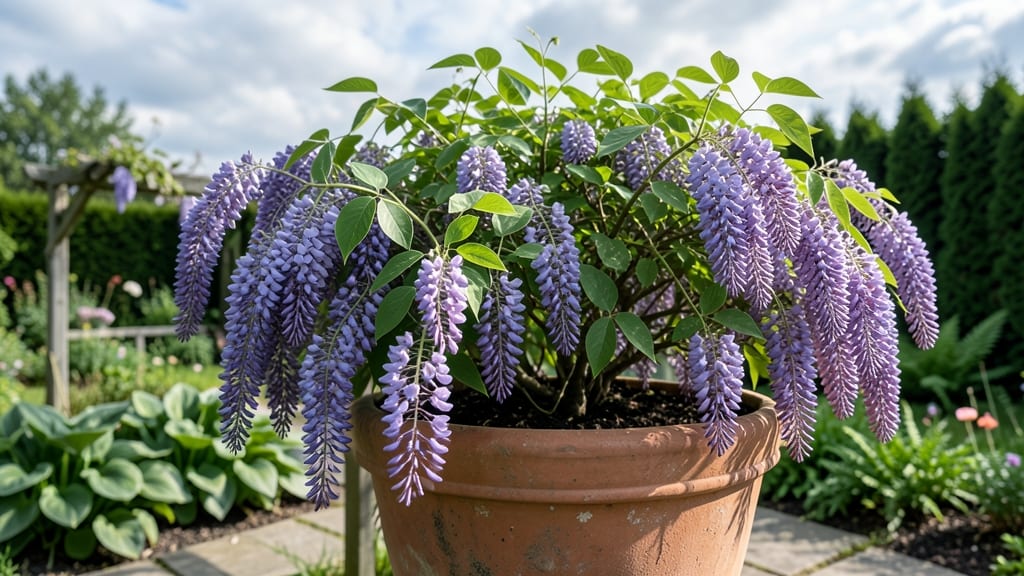
Transforming Amethyst Falls Wisteria into a stunning tree form is like sculpting a living masterpiece—every cut shapes its future. 🌿 I’ve pruned this variety for years, and the secret to that elegant, multi-trunk silhouette lies in aggressive early pruning and strategic support.
Most gardeners give up after the first year, but the payoff—a 15-foot-tall, fragrant canopy—makes it worth the patience.
The first step is choosing a sturdy central leader (your main trunk) and removing competing branches while it’s still young. Use soft ties to guide new shoots into your desired tree shape, and never let it climb unchecked—this wisteria grows 12+ inches per year if left to its own devices.
Amethyst Falls’ purple blooms will reward your efforts with cascades of color from late spring through summer, but only if you prune before the buds swell in early spring.
By year three, your wisteria tree will have a strong framework of 3-5 trunks and branches that spread gracefully rather than sprawl. The key is thinning out crowded growth in late winter—this variety blooms on old wood, so don’t over-prune after flowering.
With proper support (a 6-foot-tall stake at planting), you’ll avoid the heartbreak of flopping branches that ruin the tree effect.
Watch for aphids in spring—they love new wisteria growth—and treat with neem oil if you spot sticky residue on leaves. This variety handles heat and humidity better than most, but it hates soggy soil.
Mulch heavily and water deeply once a week during dry spells to keep roots happy. The result? A showstopping focal point that turns heads every spring.
📚 In This Guide
- What you need
- Instructions
- Tips and common mistakes
- Wrapping up and next steps
What you need
- ● Pruning shears: Bypass pruners (sharp, 6–8" blades) for clean cuts on small branches.
- ● Loppers: 1 pair (18–24" blades) for thicker branches (½"–1.5" diameter).
- ● Pruning saw: Curved-tooth saw for branches >1.5" diameter.
- ● Disinfectant: 70% isopropyl alcohol or 10% bleach solution (1 part bleach to 9 parts water) to sterilize tools between cuts.
- ● Rubbing alcohol or hydrogen peroxide: For cleaning wounds on cuts (3% solution).
- ○ Garden twine or zip ties: To secure branches during shaping (optional but helpful for temporary support).
- ● Work gloves: Heavy-duty, cut-resistant gloves (wisteria thorns are no joke!).
- ○ Pruning sealant: (Optional but recommended) Wound dressing like Tanglefoot Tree Wound Pruning Seal for large cuts.
- ● Best time to prune: Late winter/early spring (just before buds swell) or immediately after flowering (summer). Avoid pruning in fall.
- ● Weather check: Choose a dry, calm day (rain or wind makes cuts messy and invites disease).
- ● Safety gear: Long sleeves, pants, and closed-toe shoes to protect from thorns and sap.
- ● Cleanup supplies: Heavy-duty trash bags (wisteria debris is heavy!) and pruning rake for clearing branches.
How to prune Amethyst Falls wisteria for tree form
This wisteria variety thrives with strategic pruning—here's how to shape it into a stunning tree form while keeping those fragrant blooms coming back.
🌿 Step 1: Identify the Main Trunk and Primary Branches
Start by selecting your central trunk—this will be your tree's backbone. Look for the strongest, straightest stem emerging from the base. Use pruning shears to remove any competing vertical shoots that could become weak leaders. I like to keep just one dominant trunk, removing all others at their base with a clean cut.
Next, identify 3-5 sturdy horizontal branches that will form your canopy. These should emerge from the main trunk at wide angles (45-60 degrees). If you don't see natural horizontal branches, gently bend young shoots into place and secure them with soft plant ties until they set. This ensures proper structure before heavy pruning begins.
✂️ Step 2: Prune for Structure in Late Winter
Wait until late winter when the plant is still dormant but before new growth begins. This is the perfect time to shape your wisteria tree form. Start by removing any dead, crossing, or rubbing branches—these compete for energy and create weak entry points for disease. Cut these back to the main trunk or their point of origin using sharp, clean shears.
For your selected horizontal branches, trim back any excess growth that extends beyond your desired canopy shape. Aim to keep branches within a 12-18 inch diameter at maturity. Make cuts just above an outward-facing bud to encourage new growth in the right direction. Remember, wisteria grows aggressively, so resist the urge to be overly aggressive with cuts—you're shaping, not removing.
☀️ Step 3: Maintain Canopy Shape During Growing Season
Throughout spring and summer, monitor your wisteria's growth and make light maintenance cuts to preserve your tree form. Remove any vertical shoots that emerge from the main trunk or horizontal branches—these will only create a bushy, unbalanced look. You'll know you're doing it right when your plant develops a clear central trunk with a rounded canopy of horizontal branches.
Watch for any branches that grow too long or become top-heavy. Trim these back by one-third to encourage bushier growth. Always make cuts just above a leaf node or bud that faces outward. This prevents dense, inward growth that blocks light and air circulation. A well-maintained tree form should have an open center that lets sunlight reach all branches.
⏰ Step 4: Annual Refinement After Flowering
After your wisteria finishes flowering in late spring or early summer, perform your annual refinement pruning. This is when you'll do most of your shaping work. Start by removing any dead or diseased wood first—these should be obvious as they won't have leaves or green stems. Cut these back to healthy wood immediately below the damage.
For your horizontal branches, trim back the current season's growth by about half. This encourages next year's blooms while maintaining your tree form. Make your cuts just above a bud that will help fill out your canopy. I like to step back frequently to visualize the overall shape—your goal is to maintain that balanced, tree-like silhouette while keeping the plant open enough for good air flow.
🌱 Step 5: Winter Cleanup and Preparation
In late fall, after the first hard frost but before winter sets in, perform your final cleanup. Remove any remaining dead wood, weak growth, and any branches that didn't set properly during the growing season. This prevents pests and diseases from overwintering in your plant. Cut back any remaining foliage to about 6 inches from the main trunk or branches.
Here's the thing—wisteria produces flowers on previous year's growth, so don't be tempted to cut back too aggressively in winter. You want to preserve next year's blooming potential while still maintaining your tree form. After pruning, give your plant a light application of organic mulch to protect the roots during winter. This helps maintain consistent soil temperatures and moisture levels, setting your wisteria up for another beautiful blooming season.
Tips & tricks for perfect Amethyst Falls wisteria tree form
Real talk: shaping wisteria into a tree form takes patience, but these tricks will help you avoid common mistakes and create that dreamy, balanced silhouette.
Branch Angle Matters: When selecting your 3-5 horizontal branches in Step 1, aim for angles between 45-60 degrees from the trunk. I use a small protractor (or even my phone's angle tool) to check—branches at narrower angles will grow upward and disrupt your tree form. If you're working with young plants, gently bend branches into position using soft plant ties before they harden.
The 12-18 Inch Rule: In Step 2, remember that 12-18 inch diameter is your target for mature branches. To visualize this, imagine a dinner plate (about 10-12 inches) as your minimum—this keeps your canopy proportionate to the trunk. If you notice branches exceeding this during growing season maintenance (Step 3), trim back by one-third to maintain balance. This prevents top-heavy growth that can snap in storms.
Bud Direction Technique: Always cut just above an outward-facing bud when pruning—this is the secret to an open, airy canopy. In Step 4, when refining after flowering, take a minute to rotate your plant and visualize how each cut will affect next year's growth. I like to sketch a rough diagram first to plan my cuts before making them. This prevents that "too dense" look that blocks sunlight from reaching inner branches.
Winter Pruning Warning: In Step 5, that 6-inch cutoff for foliage might seem aggressive, but it's crucial for preventing disease. The key is timing—wait until after the first hard frost but before winter sets in completely. If you prune too early, new growth might sprout before cold sets in, which can get damaged. If you're unsure about frost timing, check your local weather service for the first predicted hard frost date.
Pro Tips for Amethyst Falls Wisteria Tree Form
- Real talk: shaping wisteria into a tree form takes patience, but these tricks will help you avoid common mistakes and create that dreamy, balanced silhouette.
- Branch Angle Matters: When selecting your 3-5 horizontal branches in Step 1, aim for angles between 45-60 degrees from the trunk.
- The 12-18 Inch Rule: In Step 2, remember that 12-18 inch diameter is your target for mature branches.
Frequently asked questions
about the Amethyst Falls Wisteria Tree Form—because even the most stunning varieties need a little TLC! Here are answers to the questions we hear most often.When is the best time to prune my Amethyst Falls wisteria for tree form?
The ideal time is late winter or early spring (just before buds swell) to encourage strong new growth. Avoid heavy pruning in fall—it can stimulate tender shoots vulnerable to frost. For minor shaping, you can also prune lightly after flowering in summer, but focus on removing dead or crossing branches.
How much can I trim back my wisteria tree form without harming it?
You can safely remove up to 1/3 of the plant’s total volume in one season, but spread it out if possible. For tree forms, prioritize thinning out crowded branches (especially near the trunk) to improve airflow. Avoid "topping" (cutting back to stubs)—this encourages weak regrowth. Pro tip: Use hand pruners for small branches and loppers for thicker stems (2"+ diameter).
Why isn’t my Amethyst Falls wisteria blooming as much as it should?
Wisteria blooms on old wood, so over-pruning in late winter/early spring can reduce flowers. If blooms are sparse, check for:
- Sunlight: Ensure it gets 6+ hours of direct sun daily.
- Age: Young trees (under 3 years) may bloom lightly—patience is key!
- Nutrients: A balanced 10-10-10 fertilizer in early spring can help.
- Watering: Deep water 1-2x weekly during dry spells.
Can I grow Amethyst Falls wisteria as a tree form in a container?
Yes, but it’s challenging due to their vigorous growth. Choose a large container (24"+ diameter) with drainage holes and use a well-draining potting mix (add perlite or sand). Prune aggressively in early spring to control size, and repot every 2-3 years to refresh roots. Note: Container-grown wisterias may bloom less than in-ground plants.
What should I do if my wisteria tree form develops bare stems or leggy growth?
Bare stems or legginess often mean lack of light or over-pruning. Try these fixes:
- Relocate: Move to a sunnier spot (wisterias thrive in full sun).
- Prune strategically: Cut back leggy stems to a bud facing outward to encourage bushier growth.
- Fertilize: Use a phosphorus-rich fertilizer (like 5-10-5) in early spring to boost blooms.
- Support: Install a tree stake or trellis to guide growth upward.
Wrapping up and next steps
Transforming your Amethyst Falls wisteria into a stunning, year-round tree form is a rewarding journey that blends patience and precision. By mastering the right pruning techniques—like selective thinning, strategic shaping, and seasonal timing—you’ll unlock a cascading masterpiece that thrives with vibrant blooms and lush foliage. 🌸✨
Ready to take the next step? Start small: schedule your first pruning session in late winter or early spring, and observe how your wisteria responds. With each cut, you’re not just shaping a tree—you’re cultivating a living work of art. Happy pruning!