
Diseases
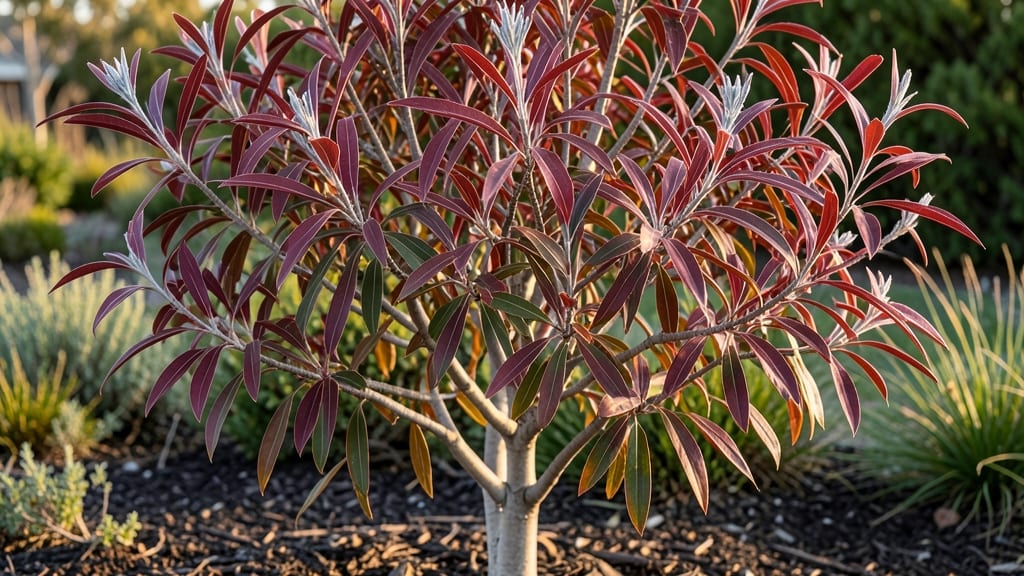
Your Eucalyptus Tree (Red-Leaved Variety) 🌳 is sending you a message when its leaves turn red—it’s not just a color shift, but a clear sign of stress.
When your eucalyptus tree’s leaves turn a striking red, it’s not just a color change—it’s a cry for help. Understanding these stress signals could mean the difference between saving your tree or losing it to hidden problems.
Red leaves often point to issues like nutrient deficiencies, environmental stress, or even pests. The good news? Most of these problems have simple fixes, from adjusting watering habits to diagnosing specific deficiencies like magnesium or iron.
In this guide, I’ll break down the top 5 causes of red leaves, how to diagnose them, and the step-by-step solutions to restore your tree’s vibrant green—before the damage becomes permanent.
5 Common reasons eucalyptus leaves turn red (and how to diagnose them)
Seeing red leaves on your eucalyptus tree can be alarming, but it’s often a clear sign of stress. These trees typically boast deep green or silvery foliage, so any shift to red deserves attention.
The good news? Most cases are fixable with the right diagnosis and care. Let’s break down the top 5 causes and how to spot them before they worsen.
Red leaves usually appear as spotted patches or uniform color shifts, often starting on younger leaves. The key is identifying whether the issue stems from environmental stress, nutrient deficiencies, or biological threats. Each requires a different approach, so let’s tackle them one by one.
Look for interveinal red or yellow between leaf veins, often starting on older leaves. Magnesium deficiency causes red edges, while iron deficiency turns leaves entirely red.
Bright red or scorched patches on leaves exposed to intense afternoon sun (especially in hot climates). New growth may appear bleached or crispy at the edges.
Check undersides of leaves for tiny webs or sticky residue. Spider mites cause red speckling, while scale insects leave red, crinkled patches.
Red or purple spots with yellow halos indicate fungal infections. Leaves may crinkle or drop prematurely. Check for damp conditions or crowded branches.
Sudden freezes below 25°F or heatwaves above 100°F cause uniform reddening. Young leaves may curl or wilt as the tree struggles to adapt.
Now that you’ve identified the visual clues, let’s prioritize these issues by severity. Pest infestations and fungal diseases spread quickly and require immediate action, while nutrient deficiencies and sunburn are slower but equally damaging if ignored. Temperature stress is often temporary but can weaken the tree long-term.
For nutrient deficiencies, the first step is testing your soil’s pH and nutrient levels. Eucalyptus thrives in slightly acidic to neutral soil (pH 6.0-7.0). If magnesium is low, apply Epsom salt (1 tablespoon per gallon of water) every 4-6 weeks during growing season.
For iron, use chelated iron supplements to prevent chlorosis.
Sunburn is easier to prevent than cure. If your tree is suddenly exposed to harsh afternoon sun, provide temporary shade with lightweight shade cloth (30-50%) during peak hours. Gradually acclimate it to full sun over 2-3 weeks to avoid shocking the foliage. Mulching with organic matter also helps regulate soil temperature.
When dealing with pests like spider mites, isolate the tree immediately to prevent spread. Spray affected areas with neem oil (1% solution) or insecticidal soap, focusing on leaf undersides where mites hide.
Repeat every 5-7 days until the infestation clears. For scale insects, prune heavily infested branches and dispose of them in sealed bags.
Fungal diseases like anthracnose thrive in humid conditions, so improve airflow by pruning dense branches and avoiding overhead watering. Apply copper fungicide as a preventive measure during rainy seasons. Remove and destroy all infected leaves to stop spores from spreading.
If temperature stress is the culprit, your eucalyptus may need relocation. In cold climates, plant it near a south-facing wall to absorb heat. In hot regions, provide afternoon shade and ensure the root zone stays consistently moist but not soggy.
Mulch with wood chips to insulate roots from extreme temperatures.
Remember, early diagnosis is key. The longer you wait, the harder it becomes to reverse damage. Start with a visual inspection of new growth and leaf undersides, then take soil or pest samples if needed. Your eucalyptus tree’s vibrant green leaves are within reach—it just needs your timely intervention! 🌿
Step-by-step fixes for red leaves based on root cause
Red leaves on your eucalyptus tree often signal stress, but the solution depends entirely on the cause. Start by diagnosing whether the issue stems from environmental factors, nutrient deficiencies, or pests/diseases.
Each requires a different approach to restore healthy green foliage. Let’s break down the fixes based on the most common triggers.
For water-related stress, eucalyptus trees are famously drought-tolerant, but overwatering or poor drainage can turn leaves red. If the soil feels soggy or you’ve noticed yellowing between red patches, you’re likely dealing with root rot or waterlogging. The fix? Adjust your watering schedule and improve soil drainage immediately.
Pros & Cons of Common Fixes for Eucalyptus Red Leaves
Pros:
- Restores nutrient balance
- Improves drainage
- Long-term root health
Cons:
- Takes 4-6 weeks to see results
- Requires soil testing first
Pros:
- Removes diseased tissue
- Encourages new growth
- Improves air circulation
Cons:
- Can stress the tree if overdone
- Requires sterilized tools
Pros:
- Quick visible improvement
- Prevents root rot
- Low cost
Cons:
- Overcorrection can dry out roots
- Requires consistent monitoring
Pros:
- Targets specific issues
- Stops spread quickly
Cons:
- Some chemicals harm beneficial insects
- Requires identification expertise
If red leaves appear only on new growth, your eucalyptus might be suffering from magnesium or iron deficiency. The fix? Apply a balanced fertilizer with Epsom salt (for magnesium) or chelated iron.
Mix 1 tablespoon of Epsom salt into the soil around the drip line and water thoroughly. For iron deficiency, use a liquid iron supplement every 4-6 weeks during the growing season.
For pest-related red leaves, like spider mites or scale insects, the solution involves isolating the tree and applying neem oil or insecticidal soap. Spray the undersides of leaves where pests hide, and repeat every 7-10 days until the infestation clears.
If fungal diseases like anthracnose are to blame, prune affected branches and apply a copper fungicide to prevent spread.
When red leaves result from sunburn or temperature stress, provide afternoon shade during extreme heat or move potted eucalyptus to a sheltered location. Mulch the base of the tree with 3-4 inches of organic mulch to regulate soil temperature and retain moisture.
Avoid fertilizing during heatwaves, as it can stress the tree further.
Prevention is key! Monitor your eucalyptus’s soil moisture, leaf color, and new growth regularly. Adjust care based on seasonal changes—reduce watering in winter and increase shade in summer. With the right fixes, your eucalyptus should bounce back to vibrant green in 4-8 weeks, depending on the cause.