
Pruning
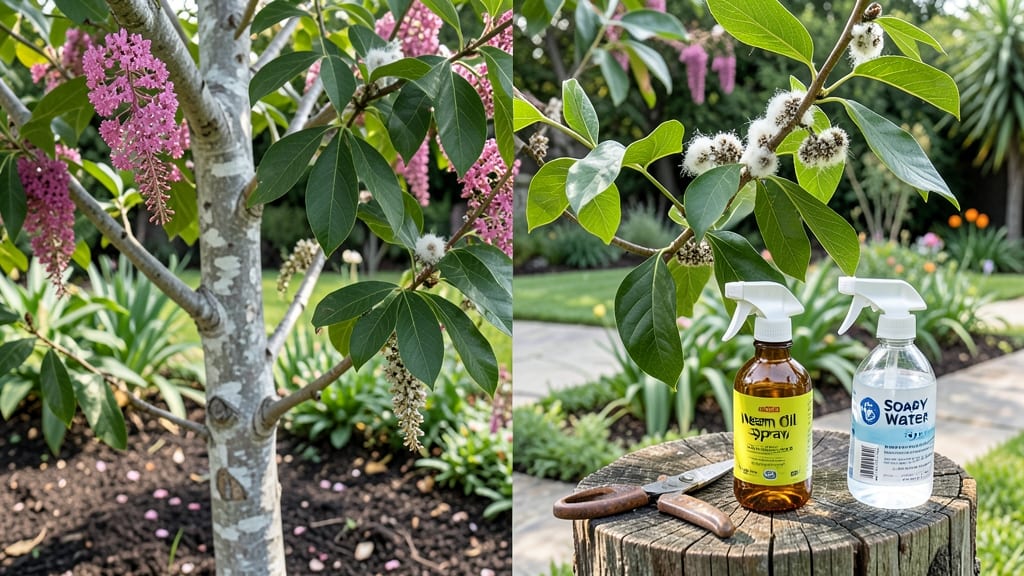
Those crepe myrtle tree lice—aphids and scale—can turn your tree into a sticky, leaf-curling mess in weeks. 🌿 I’ve battled these pests on my own crepe myrtle, and the right spray—applied at the right time—can stop them in their tracks without harsh chemicals.
The key is acting fast when you spot the first signs: tiny insects clustering on new growth or that telltale shiny residue on leaves.
These pests thrive when trees are stressed—think drought, poor drainage, or overcrowded roots. A weak tree is like an all-you-can-eat buffet for aphids and scale. But here’s the good news: natural sprays like neem oil or insecticidal soap work fast when applied correctly, especially if you catch the infestation early.
The secret is consistency—spray every 5–7 days until the pests disappear.
By the end of the week, you’ll see fewer insects and healthier leaves. The tree will start recovering, and the sticky residue will fade. The best part?
These sprays are safe for your yard and won’t harm bees or butterflies if used properly. Just avoid spraying when flowers are open to protect pollinators.
Prevention is even easier: prune regularly to improve airflow, water deeply but infrequently, and encourage ladybugs and lacewings—they’re the tree’s natural pest control. A healthy crepe myrtle is the best defense against these pests. Let’s get your tree back to its vibrant best!
Why it happens
H2: Understanding the Root Causes
Crepe myrtle trees are stunning additions to any landscape, but they’re not immune to pests—especially those tiny, sap-sucking crepe myrtle tree lice (often mistaken for aphids or scale). These pests don’t just appear out of nowhere; they thrive due to specific conditions and vulnerabilities in your tree.
Let’s break down the why behind their infestation so you can address the problem at its source.
---
Healthy trees are naturally resilient, but when crepe myrtles are stressed, they become prime targets for pests. Here’s how it happens:
- Nutrient Deficiencies: Trees lacking essential nutrients (like nitrogen, phosphorus, or potassium) produce weaker sap and thinner bark—both of which attract sap-sucking insects. Look for yellowing leaves, stunted growth, or sparse foliage as red flags.
- Drought Stress: Crepe myrtles are drought-tolerant, but prolonged dry spells weaken their defenses. Without enough moisture, trees can’t produce the sticky sap that normally repels pests, making them easier prey. 💡 Pro Tip: Deep watering (1-2 inches per week) keeps roots strong and sap flowing.
- Poor Soil Drainage: Waterlogged roots suffocate the tree, reducing its ability to fight off invaders. If your soil feels compacted or sits in water after rain, amend it with compost or sand to improve aeration.
---
Crepe myrtle trees with dense, unmanaged foliage create the perfect hiding spot for pests. Here’s how overgrowth fuels the problem:
- Shady, Humid Microclimates: Thick canopies trap moisture, creating ideal conditions for lice to multiply. These pests thrive in 60-80°F temperatures with high humidity—exactly what overgrown trees provide.
- Lack of Airflow: Stagnant air prevents natural predators (like ladybugs or lacewings) from patrolling your tree. 🔥 Action Step: Prune to open the canopy, allowing sunlight and beneficial insects to move in.
- Dead or Damaged Branches: Weak wood provides easy entry points for pests. Regular pruning removes these hotspots, reducing infestation risks.
---
External factors often set the stage for pest outbreaks. These conditions create the perfect storm for crepe myrtle tree lice:
- New Plantings or Adjacent Infestations: Lice spread via wind, water, or crawling insects. If nearby trees (like willows or sycamores) are already infested, your crepe myrtle is at higher risk. 🌡️ Inspect neighboring plants and treat them preemptively.
- Late Spring/Early Summer Boom: These pests peak when crepe myrtles are in full bloom (May-July). The tree’s high sugar content in sap makes it a buffet for lice. ✨ Prevention Tip: Apply natural sprays like neem oil before blooming season starts.
- Urban Pollution or Chemical Overuse: Herbicides, pesticides, or even car exhaust can weaken tree defenses. Opt for organic fertilizers and avoid harsh chemicals to keep your tree’s immune system strong.
---
Effective Ways To Treat Tree Pests
Now that you understand why those pesky critters—often mistaken for aphids or scale—are invading your crepe myrtle, it’s time to tackle them head-on. The good news? You don’t need harsh chemicals to reclaim your tree’s health.
Below are practical, step-by-step solutions tailored to the root causes, from mild infestations to stubborn outbreaks. Plus, we’ll share prevention tips to keep your tree thriving long-term.
---
Problem: Weak, overgrown, or nutrient-deficient trees attract pests like a buffet.
Fix It: 🍳 Step 1: Prune Properly - Remove dead, diseased, or crossing branches to improve airflow and sunlight. - Focus on thinning out dense foliage—aim for an open, airy canopy. - Use sterilized pruners (wipe with rubbing alcohol) to avoid spreading pathogens.
👨🍳 Step 2: Fertilize Smartly - Test your soil (a simple kit from a garden center works) to check for nitrogen, phosphorus, or potassium deficiencies. - Apply a balanced, slow-release fertilizer (like 10-10-10) in early spring. - Pro tip: 💡 Avoid over-fertilizing—too much nitrogen can make trees more attractive to pests!
🌿 Step 3: Mulch & Water Right - Spread 2–4 inches of organic mulch (wood chips or pine straw) around the base (keep it 3 inches away from the trunk). - Water deeply but infrequently—crepe myrtles hate soggy roots but need consistent moisture.
Prevent Recurrence: ✨ Monitor stress signs (yellowing leaves, stunted growth) and act early. 🎯 Avoid compacted soil—aerate if needed with a garden fork.
---
Problem: You’ve identified aphids, mealybugs, or scale (common look-alikes) clinging to new growth.
Fix It: 🔪 Step 1: Blast Off with Water (Gentle Pressure) - Use a hose with a strong jet nozzle to dislodge pests from leaves and stems. - Do this early in the morning so the tree dries quickly (prevents fungal issues).
🥘 Step 2: Apply Homemade Sprays Mix one of these in a 1-gallon sprayer and apply thoroughly to undersides of leaves (where pests hide):
| Spray Recipe | How to Use | |------------------------|--------------------------------------------------------------------------------| | Soap Spray | 1 tbsp mild castile soap + 1 tsp horticultural oil + 1 quart water. Shake well. | | Neem Oil Solution | 1 tbsp neem oil + 1 tsp dish soap + 1 quart water.
Spray at dusk. | | Garlic Chili Spray | Blend 2 cloves garlic + 1 tsp chili powder + 1 quart water. Strain and spray. |
⏰ Step 3: Repeat as Needed - Reapply sprays every 5–7 days until pests are gone (usually 2–3 weeks). - Pro tip: 🌡️ Avoid spraying in direct sunlight—it can burn leaves.
Prevent Recurrence: 💡 Encourage natural predators like ladybugs and lacewings by planting dill, fennel, or marigolds nearby. ✨ Inspect new growth weekly—catch infestations before they explode.
---
Problem: The pests keep coming back, or your tree is severely weakened.
Fix It: 🔥 Step 1: Introduce Beneficial Insects - Purchase ladybugs, lacewings, or parasitic wasps (available at garden centers). - Release them at dawn or dusk when pests are most active.
🥘 Step 2: Use Systemic Treatment (Last Resort) If natural sprays fail, try a systemic insecticide like imidacloprid (follow label instructions carefully). - Warning: 🚨 Only use this if the tree is heavily damaged—it’s chemical and affects the whole plant. - Safer alternative: Kaolin clay (like Surround WP) creates a protective barrier pests avoid.
🌿 Step 3: Quarantine & Clean Up - Remove heavily infested leaves or branches and dispose of them in sealed bags (not compost). - Wash tools with soapy water after pruning.
Prevent Recurrence: 🎯 Rotate spray methods to avoid resistance. 💡 Plant pest-repelling companions like rosemary or lavender near your crepe myrtle.
--- Prevention is your best weapon!
Here’s how to keep your crepe myrtle pest-free for years: - Prune annually in late winter to maintain shape and health. - Monitor for early signs (sticky residue = honeydew; white cottony tufts = mealybugs). - Avoid overwatering—crepe myrtles prefer drought tolerance once established. - Inspect before bringing new plants home—quarantine them for a week to check for pests.
--- By combining proactive care, natural sprays, and smart gardening habits, you’ll send those tree lice packing—and keep your crepe myrtle looking stunning and stress-free! 🌳✨
Frequently asked questions
What do crepe myrtle tree lice (aphids/scale) actually look like?
Aphids are tiny (1/16 inch), soft-bodied insects often green, yellow, or black, clustered on new growth. Scale appear as small bumps (white, brown, or gray) stuck to stems or leaves. Look for sticky residue (honeydew) on leaves below infested areas—this is their waste product.
Why do these pests target my crepe myrtle more than other trees?
Crepe myrtles produce sweet sap that attracts sap-sucking insects. Poor soil drainage, drought stress, or overcrowded branches create ideal conditions for infestations. These pests also spread easily from nearby infested plants or windborne eggs.
How often should I spray neem oil or insecticidal soap?
Apply every 5–7 days until pests disappear (usually 2–3 weeks). For best results, spray early morning or evening when temperatures are below 85°F to avoid leaf burn. Always cover the undersides of leaves where pests hide.
Can I use vinegar to kill these pests?
Not effectively. Vinegar is too harsh and will damage your tree's leaves. Stick to mild castile soap or neem oil—both are safer and more targeted. For severe cases, consider horticultural oil (apply when pests are dormant, like winter).
What's the best time of year to treat crepe myrtle pests?
Early spring (before blooms) or late summer (after flowering) are ideal. Avoid spraying during peak bloom to protect pollinators. For established infestations, treat immediately—don't wait for seasonal timing.