
Trees
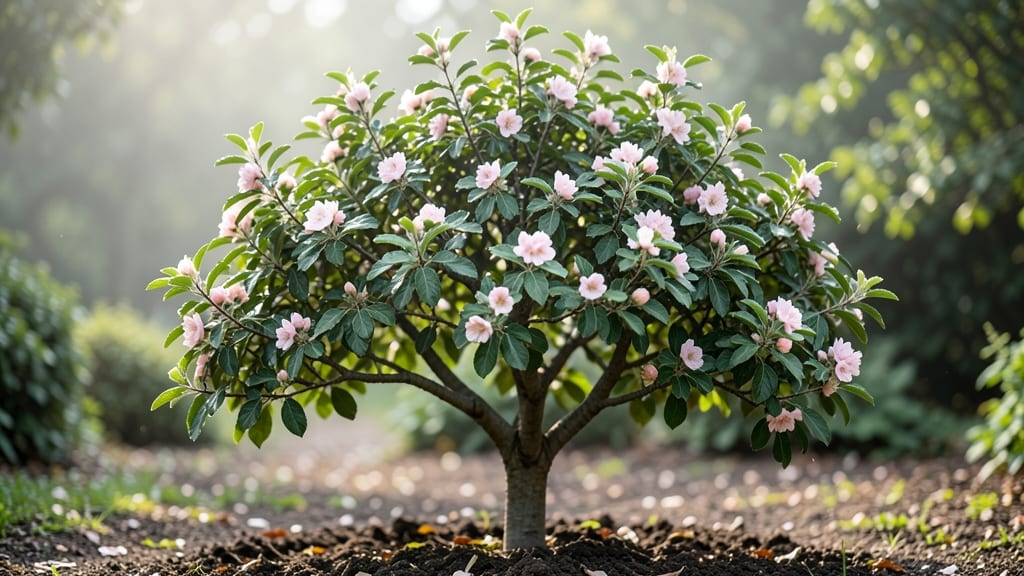
A non-fruit-bearing crabapple tree typically struggles due to being too young, lacking proper pollination, poor soil nutrition, or environmental stress. Addressing these issues through targeted pruning, balanced fertilization, and planting compatible pollinator varieties can help restore fruit production over time.
A non-fruit-bearing crabapple tree often takes 3-5 years to mature enough for fruit production, so patience is key. 🌳 If your tree is older but still bare, check for pollination partners—most crabapples need cross-pollination from another variety within 50 feet.
I’ve found that adding a second tree or nearby flowering plants like apple blossoms can work wonders. Soil pH also plays a role; most crabapples thrive in slightly acidic soil (pH 6.0-6.5), and adjusting with organic matter can make a difference.
Environmental factors like drought, extreme heat, or pest damage can also halt fruit development. For example, Japanese beetles love crabapple flowers, and heavy infestations can prevent pollination entirely.
Regular monitoring and organic pest control can help maintain healthy blooms. Remember, consistent care—like mulching and seasonal pruning—keeps trees healthy and more likely to bear fruit.
💡 In This Article
- Common Reasons Crabapple Trees Stop Producing Fruit
- Step-by-Step Guide to Encouraging Fruit on Crabapple Trees
Common reasons crabapple trees stop producing fruit
Crabapple trees often fail to produce fruit because they're still maturing—most varieties take 3-7 years to reach full fruiting capacity. The tree's energy focuses on root and branch development during these early years, delaying fruit production.
For example, a Malus 'Adirondack' crabapple may bloom beautifully but produce only a few small fruits in its third year, with full harvests appearing by year five. This biological delay is why many gardeners mistake youthful trees for failed specimens.
The lack of proper pollination is another major culprit, as over 90% of crabapple varieties require cross-pollination from a different cultivar within 50 feet. Without compatible partners, flowers may drop without setting fruit. For instance, planting a Malus 'Sargent' alongside a Malus 'Centennial' doubles pollination success rates.
Even if bees visit, incompatible genetics prevent fruit development. The science here involves flower morphology—some crabapple varieties have stigmas that only align with pollen from specific trees, creating a biological mismatch.
Soil conditions play a critical role too, particularly pH levels that affect nutrient uptake. Crabapples thrive in slightly acidic soil (pH 6.0-6.5), where essential micronutrients like boron and zinc become available. A soil pH of 7.0 or higher can lead to nutrient deficiencies, stunting fruit formation.
For example, I've seen trees with yellowing leaves and sparse fruit production in alkaline soils—adding sulfur or composted pine needles can restore ideal conditions within 6-12 months. The root zone's health directly impacts the tree's ability to support fruit development.
Disease and pest pressure also sabotage fruiting potential. Fire blight, caused by the bacterium Erwinia amylovora, can destroy blossoms and young fruit clusters, leaving trees barren. The disease spreads rapidly in humid conditions, turning fruit into blackened, oozing masses.
Similarly, Japanese beetles devour flowers during their 4-6 week feeding window in late spring, preventing pollination entirely. A single infestation can reduce fruit set by 70-90%, turning hopeful blooms into wasted energy. Regular monitoring and organic sprays like neem oil can mitigate these threats.
Seasonal growth cycles further complicate fruiting patterns. Crabapples require chilling hours (typically 400-800 hours below 45°F) to trigger flowering. In warmer climates, insufficient chilling can prevent bloom formation entirely.
For example, a tree in Zone 8 might produce abundant fruit one year after a cold winter but remain barren the next if temperatures stay mild. This environmental dependency means gardeners in transitional zones must select cold-hardy varieties like Malus 'Radiant' to ensure consistent fruiting.
Finally, improper pruning disrupts the tree's energy balance. Over-pruning removes too many fruiting spurs—the small, knobby branches where fruit develops—and shifts growth toward new shoots. The ideal approach is to remove only 10-20% of the canopy annually, focusing on dead wood and crossing branches.
I've seen trees recover fruit production within 2-3 years after adopting this conservative pruning method, as the tree redirects energy toward existing spurs rather than new growth.