
Pruning
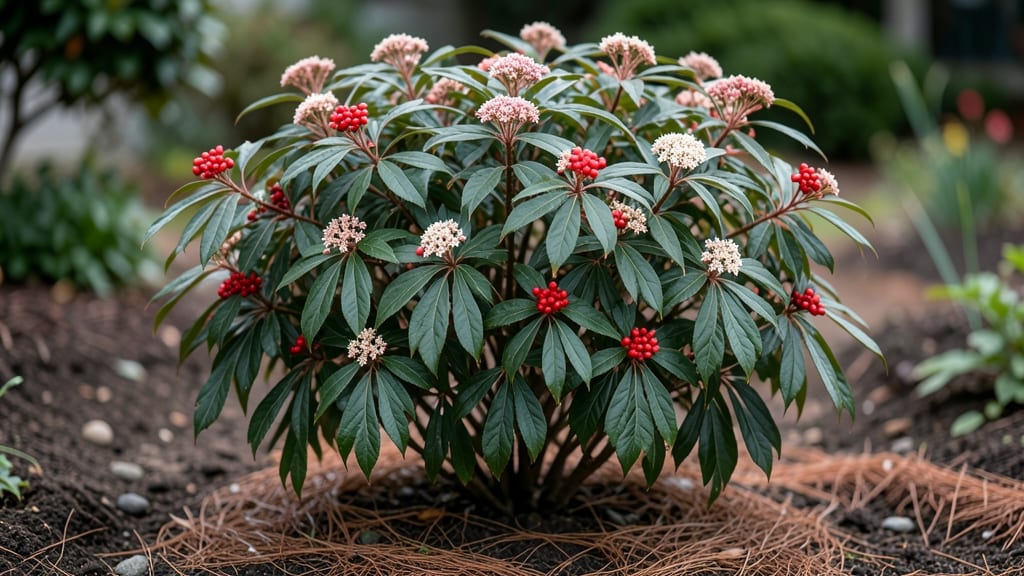
Your garden could look like a winter wonderland all year long. 🌲 Christmas tree shrubs like Skimmia or 'Little Gem' Picea bring that classic holiday silhouette to your yard—without needing decorations.
Their layered branches and evergreen needles create natural vertical interest that stands out in any season, especially when paired with snow or frost.
These shrubs thrive in partial shade, making them perfect for spots where sun-loving plants struggle. I planted mine near a north-facing wall, and it’s been lush for years with minimal fuss.
The key is spacing them 3-5 feet apart so their conical shapes show off without crowding. Add a few dwarf conifers or boxwoods at the base for a layered, forest-like effect.
By late winter, their branches will be heavy with berries (in varieties like Skimmia), adding a pop of color when most gardens are dormant. The scent of crushed needles is surprisingly fresh—like a walk through a Christmas forest.
They also work as living privacy screens or focal points in entryway gardens.
For extra festive flair, drape white twinkle lights along the branches in December, then let them go natural the rest of the year. Works in containers too—just pick a 15-gallon pot for smaller varieties. Here’s how to keep them thriving year-round.
📚 In This Guide
- What you need
- Instructions
- Tips and common mistakes
- Wrapping up and next steps
What you need
- ● Christmas tree shrub (e.g., Podocarpus, Thuja, or Picea) – Mature enough for shaping (3–5 feet tall is ideal).
- ● Sharp pruning shears – Bypass pruners (4–6 inches) for clean cuts.
- ● Hand pruners – For smaller branches (2–4 inches).
- ● Loppers – For thicker branches (6+ inches) if needed.
- ● Disinfectant (70% isopropyl alcohol or pruning sealant) – 1 small bottle to sterilize tools.
- ● Garden gloves – A pair for protection (nitrile or leather).
- ○ Pruning saw (optional) – For very thick branches (if your shrub is overgrown).
- ● Measuring tape – To gauge branch spacing (1–2 feet apart for even growth).
- ○ String or twine – For outlining your desired shape (optional but helpful!).
- ● Step stool or ladder – If your shrub is tall (3–6 feet).
- ● Spray bottle with water – To mist cuts and reduce stress on the plant.
- ● Miniature Christmas ornaments – For a playful, holiday-themed touch.
- ● Soft twine or ribbon – To gently tie branches into a conical shape (remove after pruning).
- ● Slow-release fertilizer – 1–2 granules per square foot to boost post-pruning growth.
- ● Mulch (pine straw or shredded bark) – To protect roots after shaping.
How to create a festive Christmas tree shrub year-round
This sculptural shrub brings holiday charm to your landscape without seasonal fuss.
🪴 Step 1: Select the Right Shrub Species
Choose a naturally conical evergreen like Emerald Green Arborvitae or Leyland Cypress for classic Christmas tree shape. Both grow 12-24 inches annually and maintain dense branching when properly pruned. I prefer Leyland Cypress for its rapid growth—it reaches 10-15 feet tall in just 5-7 years, perfect for quick holiday impact.
Plant in full sun to partial shade with well-draining soil. The key is spacing: place your 4-foot-tall starter plant 6-10 feet apart from other shrubs to allow for its mature width. Dig a hole twice as wide as the root ball but no deeper—this prevents root suffocation while giving roots room to spread horizontally.
✂️ Step 2: Prune for Tapered Shape Annually
Prune in late winter or early spring before new growth begins. The goal is to maintain a natural taper by removing 1/3 of the oldest branches from the bottom each year. Start with the lowest branches—these should be 2-3 inches in diameter—and cut them back to the main trunk or a lateral branch.
For the upper canopy, lightly trim to encourage denser growth. You'll see new shoots emerge within 4-6 weeks—these will fill in any gaps. Never shear the top flat; instead, shape it like a tree's crown by selectively pruning branches that grow outward. This creates that classic Christmas tree silhouette.
💧 Step 3: Water and Mulch for Year-Round Health
Water deeply once weekly during the first growing season, supplying 1-2 gallons per plant until the soil is moist 12 inches deep. After establishment, water only when the top 3 inches of soil feel dry. Overwatering causes root rot, which is especially dangerous for evergreens that can't shed water quickly.
Apply 3 inches of mulch around the base, keeping it 6 inches away from the trunk. Use pine bark or shredded leaves—they retain moisture while allowing airflow. Replenish mulch annually in late winter to protect roots from freeze-thaw cycles. Healthy roots mean your shrub stays lush year-round.
☀️ Step 4: Maintain Year-Round Appeal
Evergreens like Leyland Cypress stay green all year, but their needles can brown in winter if exposed to salt spray or road de-icing chemicals. I wrap mine in burlap during winter in areas with harsh conditions. This simple step prevents needle burn and keeps the shrub looking fresh for holiday decorations.
Add seasonal interest by draping white lights or ribbon along the branches in December. The conical shape naturally holds decorations, creating a festive display without permanent alterations. Just remove decorations by mid-January to prevent needle damage from weight.
🌿 Step 5: Fertilize for Dense Growth
Apply a slow-release, balanced fertilizer (10-10-10) in early spring and again in mid-summer. Evergreens need consistent nutrients to maintain their dense branching. I scatter granules evenly over the root zone and water them in thoroughly—this prevents fertilizer burn while ensuring roots get the nutrients they need.
Watch for new growth in 4-6 weeks after fertilizing. Healthy growth appears as dark green, glossy needles rather than yellowing or sparse foliage. If you notice browning at the tips, it's a sign of either underwatering or over-fertilizing—adjust your care routine accordingly.
Tips & tricks for perfect Christmas tree shrub
Transforming your landscape into a festive display starts with these key tricks that keep your Christmas tree shrub looking its best year-round.
Species Selection Matters: When choosing between Emerald Green Arborvitae and Leyland Cypress, consider your climate. Leyland Cypress thrives in warmer zones (USDA 6-10) with its rapid growth, while Arborvitae handles colder regions (USDA 3-8) better. Both need full sun to partial shade, but Leyland Cypress can tolerate more heat—perfect for southern landscapes where other evergreens might struggle.
Pruning Precision: In Step 2, when pruning those 2-3 inch diameter branches, make clean cuts just above lateral branches or the main trunk. Avoid leaving stubs—they can harbor pests and interfere with the shrub's natural taper. I use sharp bypass pruners for clean cuts, and I always prune in late winter when the plant is dormant. This timing ensures minimal stress and maximum regrowth potential.
Watering Wisdom: The once-weekly watering rule applies to the first growing season, but your watering needs will change as the shrub matures. After establishment, check soil moisture by inserting your finger 3 inches deep—if it feels dry, that's your cue to water. For container-grown Christmas tree shrubs, you'll need to water more frequently, sometimes every 2-3 days in hot weather, since they dry out faster.
Fertilizer Strategy: That 10-10-10 balanced fertilizer is your secret weapon for dense growth, but timing is everything. Apply it in early spring when new growth begins and again in mid-summer to support the plant's second growth flush. I've found that using a slow-release formula prevents nutrient spikes that can burn roots. For extra insurance, I always water thoroughly after applying fertilizer to wash any granules away from the trunk.
Pro Tips for Christmas Tree Shrub
- Transforming your landscape into a festive display starts with these key tricks that keep your Christmas tree shrub l...
- Species Selection Matters: When choosing between Emerald Green Arborvitae and Leyland Cypress, consider your climate....
- Pruning Precision: In Step 2, when pruning those 2-3 inch diameter branches, make clean cuts just above lateral branc...
Frequently asked questions
What’s the best time of year to prune a Christmas Tree Shrub?
Prune your Christmas Tree Shrub (e.g., Podocarpus or Thuja) in late winter or early spring (February–March) before new growth starts. Avoid heavy pruning in fall—it can stress the plant before winter. Light shaping in summer is fine, but never prune into old wood—it won’t regrow!
How do I shape it to look like a classic Christmas tree?
Start with a central leader (main stem) and train side branches to grow upward in tiers. Use hand pruners for small cuts and hedge shears for bulk shaping. Trim just above a leaf bud or branch fork to encourage fuller growth. Pro tip: Step back often to check symmetry—patience is key!
Can I grow a Christmas Tree Shrub in containers, or does it need to be planted in the ground?
Yes! Many varieties (like Podocarpus macrophyllus) thrive in large containers (15+ gallons) with well-draining soil. Use a fast-draining mix and repot every 2–3 years. Container-grown shrubs may need more frequent watering and winter protection (like burlap wraps) in cold climates.
Why are my Christmas Tree Shrub’s tips turning brown?
Brown tips usually mean underwatering, overwatering, or environmental stress. Check soil moisture—it should be evenly moist but not soggy. Pro tip: If your shrub is in full sun, it may need afternoon shade in hot climates. Fungal issues (like Phytophthora) can also cause browning—ensure good drainage and avoid overhead watering.
Are there any alternatives to traditional Christmas Tree Shrubs for a festive look?
Try these evergreen options for a similar silhouette:
- Picea (Colorado Blue Spruce) – Classic tree shape, cold-hardy.
- Chamaecyparis (False Cypress) – Elegant branching, great for containers.
- Abies (Fir) – Soft needles, lush year-round greenery.
- Juniper (Skyrocket) – Narrow, columnar shape for small spaces.
All thrive with well-draining soil and regular pruning!
Wrapping up and next steps
Transforming your Christmas tree shrub into a stunning year-round centerpiece is easier than you think! With the right tools, timing, and care, you’ll enjoy its lush, evergreen beauty for seasons to come. Whether you’re pruning for shape, health, or holiday cheer, remember: patience and consistency are key.
Ready to elevate your landscape? Grab your pruners and get started—your shrub (and future holiday guests!) will thank you. Happy pruning! 🎄✂️