
Pruning
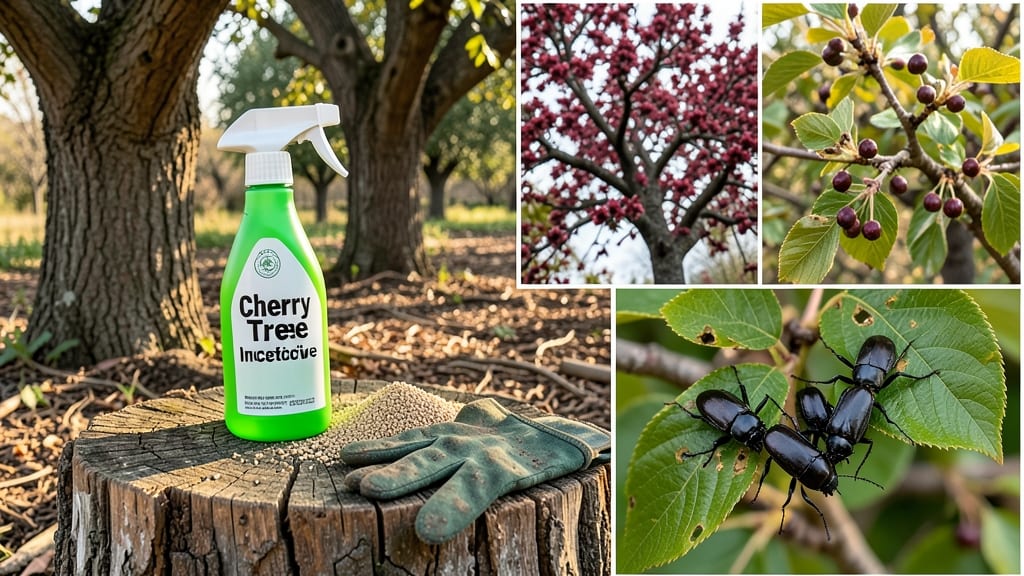
The moment you spot tiny black specks crawling on your leaves, you know it’s time for a cherry tree insecticide to step in. 🌿 My first encounter with cherry leaf spot taught me that organic sprays can save your tree without harsh chemicals—if you use them right.
The key is identifying the pest first: aphids cluster on new growth, borers tunnel under bark, and spider mites weave fine webs between leaves.
Most organic insecticides work best when applied early morning or late afternoon to avoid burning leaves in the sun. Neem oil and insecticidal soap are my go-tos—they disrupt pests' life cycles without harming bees or beneficial insects.
For borers, you'll need to get creative with systemic treatments like azadirachtin-based sprays applied directly to affected areas.
What you'll end up with is a tree that stops losing leaves to pests and starts producing healthier fruit next season. The secret isn't just spraying—it's combining treatments with proper pruning to remove infested branches and keeping your tree well-watered so it can fight back naturally.
This works for both sweet and tart cherry varieties, though tart cherries tend to handle organic treatments slightly better. The difference between a struggling tree and a thriving one often comes down to timing and consistency—so mark your calendar for spring and early summer applications when pests are most active.
📚 In This Guide
- What you need
- Instructions
- Tips and common mistakes
- Wrapping up and next steps
What you need
- ● Neem oil (100% cold-pressed, organic): 1 tablespoon per quart of water
- ● Insecticidal soap (organic, OMRI-listed): 1 tablespoon per quart of water
- ● Dish soap (mild, unscented, like Castile): ½ teaspoon per quart of water
- ● Water (distilled or dechlorinated): 1 gallon (or 4 quarts)
- ● Spray bottle or garden sprayer (1-2 gallons capacity): With a fine-mist nozzle
- ● Gloves (nitrile or rubber): 1 pair (to protect your hands)
- ○ Face mask (optional but recommended): For sensitive skin or dusty conditions
- ● Stirring stick or spoon: For mixing ingredients thoroughly
- ● Measuring cups/spoons: For precise ingredient ratios
- ● Garden hose with nozzle: For rinsing tools or diluting large batches
- ● Pruning shears: To trim heavily infested branches before spraying
- ● Spray shield or tarp: To protect nearby plants or surfaces
- ● Labeling tape: To mark spray dates on your bottle
How to make an effective organic cherry tree insecticide spray
Here's my go-to method for creating a safe, organic spray that tackles common cherry tree pests.
🌿 Step 1: Gather Your Organic Ingredients
You'll need 1 gallon of water, 1 tablespoon of liquid castile soap, 1 tablespoon of neem oil, and 1 teaspoon of horticultural oil—all mixed in a large spray bottle. I like to use a 2-quart sprayer for better coverage. The soap acts as a natural sticker to help the spray adhere to leaves, while neem oil disrupts pests' life cycles.
Measure carefully—too much soap can harm tender leaves. If you don't have horticultural oil, 1 teaspoon of vegetable oil works in a pinch. Shake everything together before spraying to ensure even distribution.
💧 Step 2: Mix Thoroughly and Strain
Combine the water and oils in your spray bottle, then add the soap last. Shake vigorously for 30 seconds until the mixture looks cloudy and fully blended. Let it sit for 5 minutes to allow any separation before giving it another good shake.
Strain the mixture through a fine mesh strainer or cheesecloth into a clean spray bottle to remove any undissolved particles. This ensures a smooth application that won’t clog your sprayer nozzle. Test a small area of the tree first to check for sensitivity.
☀️ Step 3: Apply at the Right Time
Spray your cherry tree early in the morning or late afternoon when temperatures are below 85°F—this prevents the spray from evaporating too quickly and reduces stress on the tree. Focus on the undersides of leaves, where many pests hide, and the new growth areas where they feed.
Apply until the leaves are glistening but not dripping. Avoid spraying when rain is forecast within 24 hours, as this will wash the treatment away. Reapply every 7-10 days or after heavy rain to maintain effectiveness.
✂️ Step 4: Monitor and Repeat as Needed
Check your tree 3-5 days after spraying for signs of pests. Look for webbing, chewed leaves, or tiny black dots (frass) on the foliage. If you still see pests, repeat the spray—consistency is key with organic treatments.
For severe infestations, combine this spray with pruning affected branches and disposing of them in sealed bags. Healthy airflow through the tree helps prevent future outbreaks. I also recommend mulching around the base with wood chips to deter crawling insects.
Tips & tricks for perfect organic cherry tree spray
Between us, this spray works wonders—but only if you nail a few key details. Here’s how to get the most out of your organic pest control without stressing your tree.
Mixing Precision: When combining the 1 tablespoon of liquid castile soap and oils in Step 2, use a clean, dry measuring spoon—soap residue can ruin future batches. I like to add the oils first, then water, and finally the soap to prevent clumping. The 30-second vigorous shake is non-negotiable; I use a battery-powered drill with a mixing paddle for larger batches to ensure even distribution.
Temperature Matters: The 85°F threshold isn’t just about evaporation—it’s also about protecting your tree. Hotter temps can cause leaf burn from the oils, while cooler mornings (below 75°F) help the spray adhere better. If your forecast shows 85°F+, spray at dawn when humidity is highest. I’ve seen better coverage when the air is calm, too—wind can blow spray off target.
Application Technique: In Step 3, don’t just spray the tops of leaves. Use a 2-quart sprayer to get underneath where pests hide, and hold the nozzle 6-8 inches away from foliage for even coverage. For large trees, work in sections—start at the bottom and move upward to avoid missing branches. A light mist is better than heavy saturation, which can clog leaves and encourage fungal growth.
Common Mistake Fix: If you notice yellowing leaves after spraying, it’s usually too much soap. The recipe’s 1 tablespoon is precise—don’t double it! For stubborn pests, add 1 teaspoon of garlic juice (optional) to the mix; it enhances the spray’s effectiveness without harming the tree. Always test a small branch first, especially with new additions.
Pro Tips for Cherry Tree Insecticide
- Between us, this spray works wonders—but only if you nail a few key details. Here’s how to get the most out of your o...
- Mixing Precision: When combining the 1 tablespoon of liquid castile soap and oils in Step 2, use a clean, dry measuri...
- Temperature Matters: The 85°F threshold isn’t just about evaporation—it’s also about protecting your tree. Hotter tem...
Frequently asked questions
Got questions about tackling pests in your cherry trees? You’re not alone! Here are some of the most common concerns—and straightforward answers—to help you protect your cherries like a pro.
What’s the best time of year to apply cherry tree insecticide?
The ideal window is early spring (just before buds swell) and late summer (after harvest). This timing targets pests like aphids, borers, and fruit flies before they cause major damage. Avoid spraying when bees are active (early mornings or overcast days are safer).
Can I use organic insecticides on cherry trees?
Organic options like neem oil, kaolin clay, or pyrethrin-based sprays are effective and eco-friendly. For severe infestations, horticultural oils or Bt (Bacillus thuringiensis) work well. Always check labels for cherry-tree safety and reapply as needed.
How do I know if my cherry tree needs insecticide?
Watch for visible signs: chewed leaves, sticky residue (aphid honeydew), holes in fruit, or sawdust-like frass (borer droppings). Early intervention is key—waiting until pests are rampant often means stronger (and harsher) treatments are needed. Inspect trees weekly during peak pest seasons (spring/fall).
Will insecticide harm bees or beneficial insects?
Most synthetic insecticides can harm pollinators, but organic sprays (like neem or kaolin) are bee-safe when applied correctly. To protect bees: spray in the evening, avoid flowering trees, and opt for targeted treatments (e.g., trunk injections for borers). Always follow label instructions!
How often should I reapply insecticide on cherry trees?
Reapplication frequency depends on the product and pest pressure. Oil-based sprays may need reapplying every 2–4 weeks, while systemic treatments (like imidacloprid) last longer (30–90 days). Rain can wash sprays away, so check the label for rainfast guidelines. Consistency is key!
What if my insecticide isn’t working?
First, identify the pest accurately—some insects (like spider mites) resist certain sprays. Try rotating products, increasing coverage, or adding physical barriers (like netting). For stubborn issues, consult a local cooperative extension service for tailored advice.
Wrapping up and next steps
Protecting your cherry tree from pests doesn’t have to be a battle—with the right organic insecticide, you can keep those unwanted critters at bay while nurturing a thriving harvest. 🌿 Whether you choose neem oil, insecticidal soap, or a homemade spray, consistency is key to long-term success.
Now that you’re armed with knowledge, grab your spray bottle and give your tree the care it deserves!
Ready to take action? Start monitoring your tree weekly and apply your chosen insecticide at the first sign of trouble. Your future cherry harvest will thank you!