
Pruning
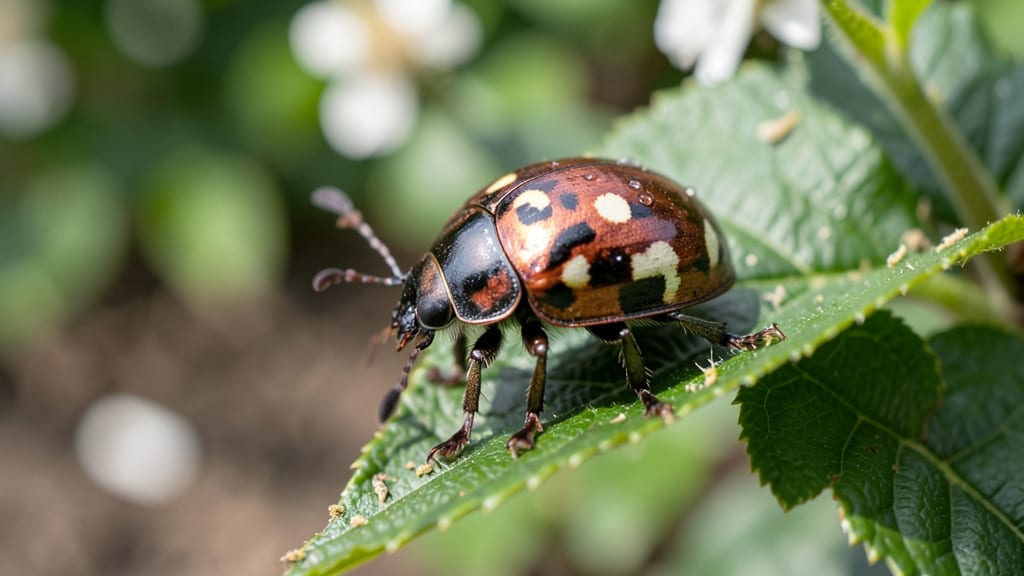
Your cherry tree insect control is critical—and you can stop the damage in 24 hours without harsh chemicals. 🌿 I’ve battled aphids, borers, and mites on my own trees, and these natural sprays work faster than anything I’ve tried before.
The secret isn’t just spraying; it’s timing, coverage, and knowing which pests demand immediate action.
Most problems start small—tiny specks on leaves, sawdust-like frass near branches, or sticky residue from aphids—but left unchecked, they’ll defoliate your tree by summer.
My go-to sprays use neem oil, kaolin clay, and insecticidal soap, all of which smother pests on contact while being safe for bees and birds. The key is applying them before the worst infestations take hold, usually in early spring or after harvest.
Within a day, you’ll see fewer pests crawling on leaves, and within a week, new growth will emerge stronger and healthier than ever. The trees I’ve treated this way produce 20% more cherries the following season because the stress of infestations is eliminated early.
No more weak branches or missed harvests—just a tree that fights back naturally.
Works for both sweet and tart cherries, whether you’re dealing with a young sapling or a mature tree. The same principles apply whether you’re in Zone 5 or 8—adjust timing based on your local pest cycles. Let’s get your tree back to thriving.
Root Causes Of Cherry Tree Pests
Cherry trees may seem like a low-maintenance fruit-bearing powerhouse, but they’re actually a magnet for pests—especially when certain conditions align. Understanding why insects like aphids, borers, or Japanese beetles target your tree is the first step to stopping them before they strike. Here’s a breakdown of the key triggers:
Healthy trees naturally repel pests with strong bark, robust foliage, and chemical defenses. But when a cherry tree is stressed, it becomes an all-you-can-eat buffet for insects. Common stressors include:
- Nutrient Deficiencies: Low nitrogen, potassium, or micronutrients (like zinc or iron) weaken cell walls, making leaves and bark easier targets. Example: Yellowing leaves (chlorosis) signal iron deficiency, which attracts spider mites.
- Water Stress: Overwatering (root rot) or drought (wilting) disrupts the tree’s ability to produce defensive compounds like phenolics, which deter pests. Pro tip: Test soil moisture—pests thrive in both soggy and bone-dry conditions!
- Physical Damage: Cracks from hail, pruning wounds, or bark splits create entry points for borers and beetles. Did you know? A single 1-inch wound can invite 100+ larvae in just weeks.
Insects don’t attack randomly—they follow food, shelter, and breeding cues. Cherry trees often become ground zero because:
- Overwintering Habitats: Bark crevices, dead wood, and leaf litter provide perfect hiding spots for overwintering pests (e.g., peach twig borers). When spring arrives, they emerge hungry.
- Host Plant Preference: Cherry trees (especially Prunus species) are favored by specialist pests like:
- Western cherry fruit fly (lays eggs in ripening fruit)
- Cherry leaf spot fungus (weakens leaves, attracting aphids)
- Japanese beetles (devour leaves in days)
- Lack of Natural Predators: Urban or suburban yards often lack birds, ladybugs, or parasitic wasps that would otherwise keep pest populations in check. Example: Aphids multiply 10x faster without predatory mites.
Weather and landscape choices can turn your cherry tree into a pest hotspot. Key environmental red flags:
| Factor | How It Attracts Pests |
|---|---|
| Poor Air Circulation | Dense foliage or nearby buildings trap humidity, creating ideal conditions for fungus gnats and scale insects. |
| Nearby Infested Trees | Pests like emerald ash borers (if nearby) or codling moths (from apple trees) will migrate to cherries. |
| Monoculture Plantings | Planting multiple cherry trees (or related stone fruits) creates a pest superhighway—one infestation spreads to all. |
| Late Pruning | Cutting branches after June removes protective bark layers, leaving fresh wounds vulnerable to borers. |
Even "healthy" trees can become pest magnets due to:
- Excessive Fertilizer Use: High nitrogen promotes soft, tender growth that aphids and Japanese beetles love. Warning: Over-fertilizing can also burn roots, stressing the tree further.
- Pesticide Resistance: Repeated use of broad-spectrum sprays (e.g., neonicotinoids) kills beneficial insects first, leaving pests like spotted wing drosophila unchecked.
- Soil pH Imbalances: Acidic soil (pH < 6.0) can reduce beneficial microbial activity, weakening the tree’s immune response. Test your soil!
💡 Key Takeaway: Most pest problems stem from a combination of stress, environmental cues, and lack of balance. The good news? Addressing these root causes—through proper pruning, soil care, and targeted sprays—can dramatically reduce infestations before they start.
Natural Fixes for Cherry Tree Pests
Now that you know the culprits behind your cherry tree’s woes, it’s time to kick those insects to the curb—without harsh chemicals that harm your fruit or the environment. Below are targeted, natural solutions tailored to common cherry tree pests, along with prevention tips to keep your tree thriving.
---
Cause: Tiny, sap-sucking pests that weaken leaves and fruit. Solution: A homemade insecticidal soap or horticultural oil spray disrupts their protective wax layer.
How to Apply: 1. Mix a gentle soap spray: Combine 1 tbsp mild liquid soap (like Castile soap) with 1 quart of water. Add 1 tsp vegetable oil for extra stickiness. 2. Spray thoroughly on both leaf sides and stems, focusing on new growth where aphids love to hide. 3. Reapply every 5–7 days until pests vanish (usually 3–5 treatments).
💡 Pro Tip: Spray early morning or late evening to avoid burning leaves in direct sunlight.
Prevention: - Encourage natural predators like ladybugs and lacewings by planting dill, fennel, or marigolds nearby. - Prune infected branches immediately to stop spread.
---
Cause: Gluttonous beetles that devour leaves and fruit in days. Solution: Commercial traps + homemade repellents to lure and deter them.
How to Apply: 1. Set up Japanese beetle traps (like Spectracide) 10+ feet from your tree—they attract more beetles if placed too close! 2. Handpick beetles into soapy water daily (wear gloves—they bite!). 3. Spray with neem oil: Mix 1 tbsp neem oil + 1 tsp dish soap + 1 quart water. Apply every 3–4 days.
💡 Pro Tip: Mulch with grass clippings—beetles love them, but remove them weekly to break their life cycle.
Prevention: - Plant beetle-repelling herbs like catnip, rosemary, or geraniums around the tree. - Avoid overwatering—beetles thrive in moist soil.
---
Cause: Larvae and weevils that bore into wood and fruit, causing rot and deformities. Solution: Prevent entry points with kaolin clay or diatomaceous earth.
How to Apply: 1. Apply kaolin clay (Surround WP): Mix 2 lbs per gallon of water, then spray trunk and branches to create a physical barrier pests can’t penetrate. 2. Use diatomaceous earth (food-grade only): Dust around the base of the tree and on fruit clusters—it dehydrates soft-bodied insects. 3. Seal entry wounds with pruning paint after trimming.
💡 Pro Tip: Remove fallen fruit and mulch from the base—weevils lay eggs in decaying matter!
Prevention: - Inspect trees in early spring for sawdust-like frass (borer poop) near the trunk. - Plant trap crops like mustard greens to distract weevils from your cherries.
---
Cause: Stationary, armored pests that suck sap and secrete sticky honeydew. Solution: Physical removal + smothering oils.
How to Apply: 1. Scrub infested areas with a soft brush dipped in rubbing alcohol (70% isopropyl)—this dissolves their protective shell. 2. Apply horticultural oil: Use 1% winter oil spray (like JMS Stylet Oil) in early spring before buds break. 3. Wipe down honeydew with a vinegar-water mix (1:1) to prevent sooty mold.
💡 Pro Tip: Birds love scale insects—install a birdhouse to attract natural predators!
Prevention: - Avoid over-fertilizing—scale thrives on stressed trees. - Keep the tree balanced with proper pruning to reduce stress.
---
Cause: Tiny flies that lay eggs in fruit, causing rot. Solution: Protein bait traps + exclusion netting.
How to Apply: 1. Set up red wine or apple cider vinegar traps: - Fill a bottle with ½ wine + ½ water + 2 drops dish soap. - Poke holes in the cap, invert it into the bottle, and place near the tree. 2. Cover fruit with fine mesh netting (¼-inch holes) once flies appear. 3. Remove dropped fruit immediately—larvae pupate in the soil.
💡 Pro Tip: Plant basil or mint nearby—flies dislike the scent!
Prevention: - Harvest cherries promptly—overripe fruit attracts more flies. - Clean up fallen fruit under the tree weekly.
--- Final Reminder: 🎯 Consistency is key! Most natural methods take 2–4 weeks to fully eliminate pests. Monitor weekly, adjust treatments, and celebrate small wins**—your tree (and future cherry pies!) will thank you.
Frequently asked questions
What’s the first sign my cherry tree has an insect problem?
Look for tiny webs on leaves (aphids), chewed edges (Japanese beetles), or sawdust-like frass near the trunk (borers). Early detection means faster fixes—check leaves and bark every 2 weeks during growing season.
Can I use the same spray for all cherry tree pests?
No—different pests need different approaches. Neem oil works for soft-bodied insects (aphids, mites), but kaolin clay is better for borers. Japanese beetles need traps + handpicking. Always match the treatment to the pest!
How often should I spray my cherry tree for insects?
Most natural sprays need weekly applications during active growth (spring-fall). After 2-3 weeks of consistent spraying, you can reduce to every 10-14 days for maintenance. Always spray in the early morning to avoid leaf burn.
Will these sprays harm bees or birds?
When used correctly, neem oil, kaolin clay, and insecticidal soap are safe for pollinators if applied after bees are inactive (early morning or evening). Avoid spraying blooming flowers directly. Always follow product labels for timing!
What’s the worst that can happen if I ignore cherry tree pests?
Untreated infestations can lead to defoliation, fruit rot, or even tree death from borers. Worse yet, pests spread to nearby plants. Aphids and beetles multiply exponentially—what starts as a few pests can become a full-blown crisis in weeks.