
Propagation
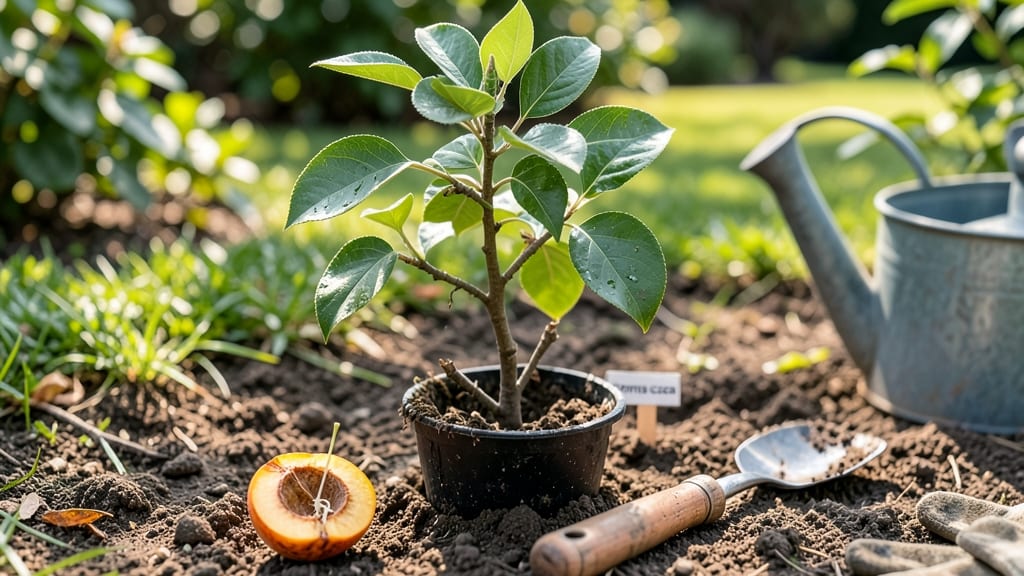
You can start a peach tree from a peach pit, but the process is difficult with only 1-10% germination success, requiring 6-12 months of cold stratification before planting. Success demands patience and careful nurturing, though the resulting tree may not produce fruit identical to its parent.
Growing a peach tree from a pit is like playing nature's long game—it's more about the journey than the destination.
The low germination rates come from the pit's natural defenses against early sprouting, which cold stratification helps overcome by mimicking winter conditions. 🌱 This method works best with fresh pits, as older seeds lose viability faster.
Even if successful, the tree may take years to bear fruit, and its quality could differ from the parent due to genetic unpredictability.
For those willing to invest the time, this project teaches valuable lessons about plant biology and persistence. I've found that combining proper stratification with a warm, sunny spot for seedlings dramatically improves survival rates.
Just remember: not every pit will sprout, and not every sprout will thrive—but the reward of watching a tree grow from a simple seed is unmatched.
💡 In This Article
- Peach Pit Germination Science: Why Success Is Rare
- Step-by-Step Guide to Growing a Peach Tree from a Pit
Peach pit germination science: why success is rare
The low germination rate of peach pits—often between 1-10%—stems from a combination of biological defenses and environmental challenges. Peach seeds naturally enter a state called dormancy, where their embryos remain inactive until conditions are ideal.
This dormancy is triggered by the hard, stony seed coat that physically blocks water and oxygen, while internal chemical inhibitors further suppress growth. Without intervention, these pits might never sprout, even with perfect growing conditions.
Cold stratification is the critical process that mimics winter's natural conditions to break dormancy. During this 6-12 month period, the pit absorbs moisture and undergoes gradual temperature fluctuations between 34-41°F. These conditions trigger hormonal changes that signal the embryo to resume growth.
For example, a pit buried in moist sand outdoors will experience these natural cycles automatically, while indoor methods (like refrigeration) require precise temperature control to replicate them. Without this stratification, the seed remains dormant or rots before sprouting.
The genetic variability of peach trees adds another layer of unpredictability. Unlike commercially bred varieties, homegrown trees from pits often produce fruit with different flavors, sizes, or disease resistance.
This occurs because peach trees are self-pollinating but not true-breeding—meaning the resulting tree may inherit traits from the parent's ancestors, not just the fruit you ate. For instance, a sweet, juicy peach from a grocery store might yield a tree producing tart, fibrous fruit if pollinated by wild varieties.
Environmental factors during germination also play a crucial role. Peach pits require consistent moisture (not soggy) and warmth (70-75°F) to sprout after stratification. Too much heat can cause the seed to dry out, while too little light may lead to leggy, weak seedlings.
I’ve found that using a grow light for 12-14 hours daily helps seedlings develop strong stems and leaves, mimicking spring sunlight. Even with perfect care, some pits simply fail to germinate due to genetic quirks or damage during handling.
One often-overlooked factor is the age of the pit. Fresh pits (from recently harvested fruit) have higher viability, while older or dried-out pits may never sprout.
For example, a pit from a peach stored for 6+ months at room temperature has a 50% lower chance of germination compared to a freshly extracted one. This is why gardeners recommend using pits from homegrown or freshly purchased fruit for the best odds.
Finally, the timing of planting matters. Seedlings are most vulnerable during their first 2-3 years and require protection from frost, pests, and harsh winds. Transplanting too early can stunt growth, while waiting too long may expose them to disease.
I’ve seen seedlings thrive when moved to their permanent spot in spring, after the last frost, with a mulch layer to retain moisture and regulate soil temperature.