
How To
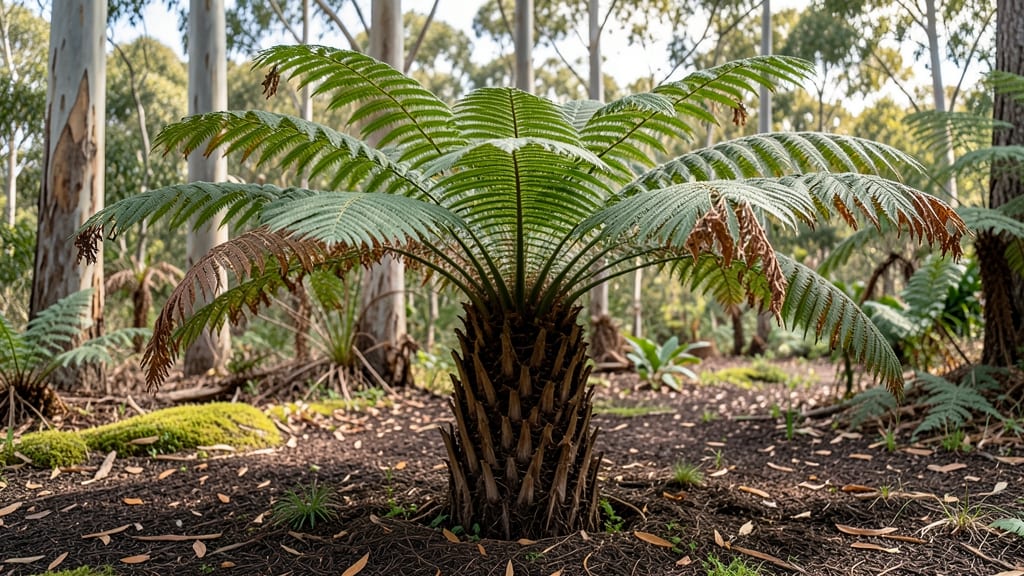
Your Tasmanian tree fern’s brown tips aren’t a death sentence—just a cry for help. 🌿 I’ve nursed back more than my share of these striking plants, and the fix is almost always simpler than you’d think: adjusting water, light, or humidity.
The good news? Once you identify the cause, revival is just a few tweaks away.
Most brown tips come from one of three culprits: underwatering (or overwatering), low humidity, or too much direct sun. My ferns always perk up when I move them to a bright, indirect spot and mist them daily—no fancy fertilizers needed.
Think of it like giving your fern a spa day: fresh air, balanced moisture, and a break from harsh light.
Start by trimming the dead tips with clean scissors—it’s therapeutic, honestly. Then focus on consistent moisture (not soggy soil) and a humidity tray if your air feels dry.
Within weeks, you’ll see fresh, vibrant growth pushing past the brown edges. The best part? Once you’ve nailed the routine, these ferns stay lush for years.
Prevention is even easier: group ferns together for humidity, avoid cold drafts, and check soil moisture before watering. Your fern will reward you with feather-like fronds that look like they belong in a tropical greenhouse—no brown tips in sight. Let’s get those edges green again!
Understanding The Root Causes
When your Tasmanian tree fern starts showing brown tips, it’s often a cry for help from the plant itself. These crispy edges don’t appear overnight—they’re usually a sign of underlying stress.
Let’s break down the most common reasons why this happens, so you can diagnose the issue and take action before it spreads.
Tasmanian tree ferns are tropical plants at heart, but they’re not fans of soggy roots or drought stress. Brown tips often signal a watering imbalance.
- Overwatering: When soil stays too wet, roots suffocate and can’t absorb nutrients properly. This leads to marginal burn—brown edges caused by oxygen deprivation. Check the soil: if it’s damp more than an inch below the surface, you’re likely overdoing it.
- Underwatering: On the flip side, dry soil causes the fronds to lose moisture from the tips outward (a process called desiccation). The edges dry out first because they’re the farthest from the water source (the roots). Stick your finger in the soil—if it’s bone-dry, it’s time to water.
- Hard Water Buildup: If your tap water is high in minerals (like calcium or fluoride), it can accumulate in the soil and damage the fronds over time. Brown tips may appear even if you’re watering consistently. Try using filtered or rainwater to flush out excess minerals.
💡 Pro Tip: Water your Tasmanian tree fern when the top 2–3 inches of soil feel dry. Use room-temperature water and avoid letting it sit in saucers—always empty excess water to prevent root rot.
Tasmanian tree ferns thrive in indirect light but can get sunburned or stressed by harsh conditions. Here’s how environmental factors contribute to brown tips:
- Direct Sunlight: While these ferns enjoy bright, filtered light, intense afternoon sun can scorch the fronds. Brown tips or patches on fronds facing windows are a classic sign of sunburn. Move your plant to a spot with dappled shade (like near a sheer curtain) if you notice this.
- Low Humidity: Native to humid rainforests, Tasmanian tree ferns hate dry air. Brown, crispy tips are a red flag in winter when indoor heating kicks in. The fronds lose moisture faster than the roots can supply it.
- Cold Drafts or Temperature Swings: These ferns prefer consistent temperatures between 60–75°F (15–24°C). Sudden drops (like near drafty windows or AC vents) can shock the plant, causing the edges to brown. Keep them away from cold spots and avoid placing them near heating vents.
- Wind Exposure: If your fern is outdoors, strong winds can dry out the fronds quickly. The tips are the most vulnerable, as they’re the first to lose moisture in breezy conditions.
🌡️ Quick Fix: Increase humidity by misting the fronds lightly (but not excessively) or placing a humidity tray with pebbles and water nearby. A humidifier can also work wonders in dry climates.
Brown tips can also signal that your fern isn’t getting the right nutrients. While ferns aren’t heavy feeders, they do need a balanced diet to stay healthy.
| Deficiency | Symptoms | Solution |
|---|---|---|
| Nitrogen (N) | Yellowing fronds with brown tips, stunted growth | Use a balanced liquid fertilizer (like 10-10-10) every 4–6 weeks in growing season. |
| Potassium (K) | Brown, brittle tips; weak stems | Add a potassium-rich fertilizer or use banana peel tea (a natural potassium source) every few months. |
| Magnesium (Mg) | Yellowing between veins with brown edges | Apply Epsom salt solution (1 tbsp per gallon of water) every 2–3 months. |
| Iron (Fe) | Pale fronds with brown, crispy tips | Use an iron chelate fertilizer or add compost to improve soil health. |
✨ Expert Tip: Over-fertilizing can also cause brown tips by burning the roots. Always dilute fertilizer to half-strength and water thoroughly after applying.
Sometimes, brown tips aren’t just environmental—they could be a sign of pest damage or fungal issues.
- Spider Mites: These tiny pests suck sap from the fronds, causing brown, dry spots. Check the undersides of leaves for webbing or tiny moving dots.
- Scale Insects: Hard, shell-like pests attach to stems and fronds, draining nutrients. Brown tips may appear where they cluster.
- Fungal Infections: If the brown tips are mushy or accompanied by black spots, your fern might have root rot or leaf spot from overwatering or poor airflow.
🔥 Treatment: Wipe fronds with a damp cloth and insecticidal soap to remove pests. For fungal issues, improve airflow, reduce watering, and treat with a copper-based fungicide if needed.
Now that you know the why behind those brown tips, you’re one step closer to bringing your Tasmanian tree fern back to its lush, green glory. The next step? Fixing the problem—and keeping those fronds happy for years to come!
Fixing Fern Fringe Damage
Tasmanian tree ferns (like Dicksonia antarctica) are hardy plants, but brown tips can signal stress. The good news? Most issues are reversible with the right care. Below, we’ve mapped out practical fixes based on the most common causes—plus prevention tips to keep your fern thriving long-term.
Signs: Soggy soil, yellowing fronds below brown tips, or a musty smell. Fix: 🍳 Adjust Your Watering Routine
- Let the top 2–3 inches of soil dry out between waterings. Stick your finger in—if it’s damp, wait!
- Water deeply but less often (once a week in summer, every 10–14 days in winter).
- Avoid wetting the crown (the center of the fern). Use a watering can with a narrow spout to direct moisture to the soil.
👨🍳 Improve Drainage
- If your pot lacks drainage holes, repot immediately into a container with holes at the bottom.
- Amend heavy or clay soil with perlite or orchid bark (20–30% mix) to boost airflow.
- Raise pots off the ground with feet or a saucer to prevent root rot.
⏰ Emergency Drainage Fix If your fern is already soggy: 1. Gently remove it from the pot and trim any mushy, black roots with sterilized scissors. 2.
Repot in fresh, well-draining mix (50% peat-free potting soil, 30% perlite, 20% coarse sand). 3. Hold off on watering for 3–5 days to let roots recover.
Signs: Crispy, brittle brown tips; dry soil that pulls away from the pot edges. Fix: 💡 Boost Moisture Levels - Mist fronds 2–3 times weekly (especially in winter or dry climates).
Use room-temperature water to avoid shocking the plant. - Group ferns together to create a microclimate with higher humidity. - Place the pot on a pebble tray filled with water (ensure the pot isn’t sitting in water).
🥗 Hydrate the Roots
- Water until it flows freely from the drainage holes (bottom watering helps too—place the pot in a shallow tray of water for 10–15 minutes).
- Avoid letting soil dry out completely—consistent moisture is key for tree ferns.
🎯 Prevent Future Dryness
- Mulch the soil with a ½-inch layer of orchid bark or sphagnum moss to retain moisture.
- In dry conditions, consider a humidifier near your fern or a terrarium-style setup (clear glass cloche for small ferns).
Signs: Brown tips with green underneath (like a sunburnt leaf); fronds wilting in direct light. Fix: 🔪 Relocate Your Fern - Move it to bright, indirect light (east or north-facing windows are ideal).
Avoid south-facing windows or harsh afternoon sun. - If outdoors, provide afternoon shade with a sheer curtain or dappled shade cloth.
🌿 Protect from Temperature Swings
- Tree ferns thrive in 60–75°F (15–24°C). Keep them away from:
- Drafty windows/doors (🌡️ below 50°F/10°C causes shock).
- Heating vents or air conditioning units.
- In winter, avoid placing near cold glass (e.g., uninsulated windows).
Signs: Slow growth, yellowing between veins, or brown tips despite proper watering. Fix: 📊 Fertilize Correctly
- Use a balanced, water-soluble fertilizer (e.g., 10-10-10 or 20-20-20) diluted to half-strength.
- Fertilize every 4–6 weeks in spring/summer only—skip fall/winter.
- Flush the soil every 3 months with water to prevent salt buildup (which burns roots).
💪 Natural Boosts for Recovery
- Fish emulsion or seaweed extract (1 tbsp per gallon of water) can revive stressed ferns.
- Add worm castings to the soil for slow-release nutrients.
✨ Prevention Tip
- Test your soil (pH 5.5–6.5 is ideal for tree ferns). Use a soil test kit or vinegar (pH <5) or baking soda (pH >7) to adjust.
Signs: Sticky residue (aphids), white webbing (spider mites), or black spots (fungal infection). Fix: 🔥 Treat Pests Immediately - Spray with neem oil (1 tsp neem oil + 1 tsp mild soap in 1 quart water).
Reapply every 5–7 days until pests vanish. - Wipe fronds with a damp cloth to remove spider mites or scale insects. - Isolate infected ferns to prevent spreading.
🌿 Fungal Infection Care
- Prune affected fronds with sterilized scissors, cutting ½ inch below the damage.
- Improve airflow by thinning crowded fronds.
- Apply copper fungicide (follow label instructions) if fungal spots persist.
Even with fixes in place, brown tips won’t turn green again—but you can trim them cleanly to encourage new growth:
- Use sharp, sterilized scissors (wipe with rubbing alcohol).
- Cut at a 45-degree angle just above a healthy node (where new growth can sprout).
- Dispose of trimmings (don’t compost if pests/disease are suspected).
- Wipe the cut with cinnamon powder (natural antifungal) to prevent infection.
✅ Water wisely: Check soil moisture before watering. ✅ Monitor light: Rotate pots occasionally for even growth. ✅ Maintain humidity: Mist or use a pebble tray. ✅ Fertilize lightly: Less is more—avoid winter feeding. ✅ Inspect regularly: Catch pests/disease early with weekly checks. ✅ Repot every 2–3 years: Refresh soil to prevent nutrient depletion.
Pro Tip: 💡 If your fern’s brown tips persist after 2–3 months of care, it may be normal aging—tree ferns naturally develop brown edges as they mature. Focus on new frond health as your priority!
Frequently asked questions about Tasmanian tree fern brown tips
Why do Tasmanian tree ferns develop brown tips in winter?
Low humidity from indoor heating is the #1 culprit during winter months. These tropical plants lose moisture faster when air feels dry. Try misting fronds daily or placing the pot on a pebble tray with water. A small humidifier nearby can work wonders too—your fern will thank you with fresh green growth within weeks!
Can I save my fern if the brown tips have turned completely crispy?
Yes! While crispy tips won't regreen, you can trim them cleanly to encourage new growth. Use sterilized scissors to cut at a 45-degree angle just above healthy nodes. This not only improves appearance but also helps the plant focus energy on fresh fronds. Just avoid composting the trimmings if you suspect pests or disease.
How often should I fertilize a Tasmanian tree fern with brown tips?
Start with half-strength balanced fertilizer every 6-8 weeks during spring/summer only. Over-fertilizing burns roots and worsens brown tips. If your fern shows signs of nutrient deficiency (like yellowing between veins), try a fish emulsion or seaweed extract instead—these are gentler on stressed plants.
Is it safe to use tap water with high mineral content on my fern?
No—hard water buildup can damage fronds over time. Try using filtered or rainwater instead. If that's not possible, flush the soil monthly with distilled water to remove mineral deposits. The goal is to keep soil pH between 5.5-6.5 for optimal nutrient absorption.
Why do my outdoor Tasmanian tree ferns get brown tips even when I water them regularly?
Outdoor ferns often suffer from wind exposure or temperature swings. Protect them with a windbreak or move to a more sheltered spot. In cold climates, bring potted ferns indoors before 50°F/10°C temperatures. If planted in ground, mulch heavily to insulate roots and retain moisture.