
Pests
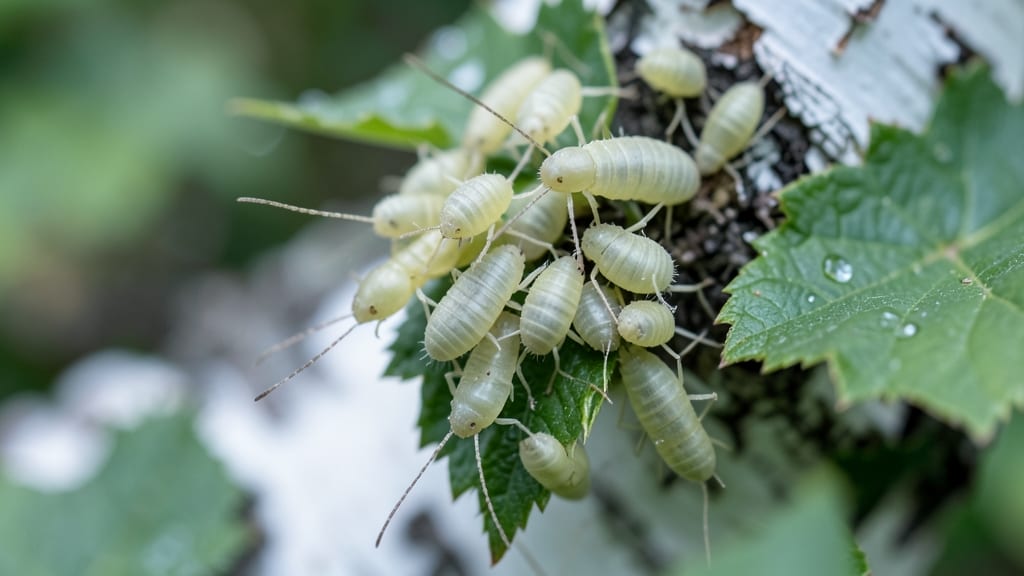
Birch trees covered in aphids look like they're wearing cotton candy—until the damage starts. 🌿 I’ve watched these sap-sucking pests turn vibrant green leaves into sticky, curled messes in just days, but I’ve also learned how to kick them off fast without harsh chemicals.
The secret isn’t complicated: aphids hate water pressure, soapy solutions, and the scent of certain plants. A homemade spray with dish soap and water (1 tablespoon per quart) knocks them off in 24 hours—no fancy equipment needed.
Just squirt it directly on the colonies, and watch them drop like raindrops. What you’ll end up with is a tree that stops oozing sticky honeydew, regains its glossy leaves, and stays aphid-free for weeks. The best part?
These methods work on other trees too, from maples to fruit trees. For heavy infestations, repeat every 3-5 days until the pests vanish. Here’s how to make it last all season.
Root Causes Of Sap-Sucking Outbreaks
Birch trees are a magnet for sap-feeding pests like aphids—but why do these tiny invaders target them so aggressively? The answer lies in a mix of environmental triggers, tree vulnerabilities, and the aphids’ own survival strategies. Understanding these causes helps you disrupt their lifecycle before they take over your yard.
Aphids thrive when birch trees are stressed or compromised. Here’s how it happens:
- Nutrient Deficiencies: Birches with low nitrogen, potassium, or phosphorus levels produce weaker sap—an aphid buffet. Think of it like a tree with low blood sugar: it’s easier for pests to "feed" on it. Soil tests can reveal imbalances, and organic fertilizers (like fish emulsion or compost) can restore vigor.
- Drought or Overwatering: Both extremes stress trees. Drought weakens roots, while soggy soil suffocates them. Aphids detect these signals and swarm to exploit the tree’s compromised immune response. Actionable fix: Water deeply but infrequently (1–2 inches per week) and improve drainage with mulch.
- Physical Damage: Wounds from storms, pruning cuts, or even lawnmower scrapes create entry points. Aphids release pheromones to signal their "finders-keepers" moment. Pro tip: Seal pruning wounds with tree sealant and avoid heavy pruning during peak aphid seasons (spring/early summer).
Aphids reproduce exponentially—a single female can birth 80+ live nymphs in a week without mating. Here’s how they hijack your birch:
- Parthenogenesis: Most aphids are all-female clones, meaning they don’t need males to reproduce. Warm springs (above 50°F) trigger rapid population booms. 💡 Tip: Monitor trees in early spring; if you see sticky honeydew, act fast with neem oil or insecticidal soap.
- Ant Symbiosis: Ants farm aphids, protecting them in exchange for honeydew. If you spot ants tending to aphids, you’ve got a two-pest problem. Disrupt the cycle: Use sticky barriers (like Tanglefoot) on tree trunks to block ant highways.
- Host Plant Preference: Birch aphids (Aphis betulae) are specialized feeders—they’ve evolved to target birch sap. Their mouthparts pierce phloem (the tree’s food transport system), causing wilting and stunted growth. ✨ Science hack: Plant companion species like garlic or chives nearby; their strong scent repels aphids.
Aphid outbreaks aren’t random—they’re tied to weather patterns and seasonal shifts:
| Season | Trigger | Why It Works for Aphids | Your Defense |
|---|---|---|---|
| Early Spring | Mild, wet weather | Soft new leaves = easy meals. Aphids emerge from overwintering eggs. | Apply dormant oil in late winter to smother egg-laying adults. |
| Late Spring/Early Summer | Warm, humid air | Accelerates reproduction. Honeydew attracts sooty mold (a secondary fungus). | Use kaolin clay sprays to create a protective barrier on leaves. |
| Fall | Temperature drops | Aphids lay eggs on bark to survive winter. Fewer natural predators are active. | Prune and dispose of heavily infested branches before winter. |
🌡️ Pro move: Set up a suction trap (like a yellow sticky card) near trees to monitor aphid flights and predict outbreaks.
By addressing these root causes—stress relief, reproduction roadblocks, and climate control—you’ll starve out aphids before they starve out your birch. Next up: How to hit them with fast-acting, eco-friendly sprays.
Quick Fixes for Sap-Sucking Tree Invaders
If your birch trees are under siege by tiny, sticky pests, don’t panic—there are fast, effective ways to reclaim their health. The key is matching the right solution to the cause (whether it’s an infestation, weak tree defenses, or environmental stress).
Below, we break down targeted fixes, from immediate action to long-term prevention, so you can restore your trees without harsh chemicals.
When aphids are swarming and sap is dripping, you need a rapid-response strategy. These methods disrupt their lifecycle while protecting your trees.
🍳 Homemade Sprays (Safe & Effective)
Mix these in a spray bottle and apply early in the morning or late evening to avoid harming beneficial insects:
- Soapy Water Blast: Combine 1 tbsp mild castile soap or dish soap (no bleach!) with 1 quart water. Spray directly on aphids until leaves glisten—soap suffocates them instantly. ✨ Pro tip: Add a few drops of neem oil to break their feeding cycle.
- Garlic & Chili Pepper Repellent: Blend 1 crushed garlic clove + 1 tsp cayenne pepper with 1 quart water. Strain, add 1 tsp liquid soap, and spray. The pungent scent repels aphids for 3–5 days.
👨🍳 Beneficial Insects: Nature’s Pest Control
Ladybugs, lacewings, and parasitic wasps love aphids. Purchase or attract them with:
- Buy ladybug eggs or pupae online (release at dusk).
- Plant dill, fennel, or yarrow nearby to lure predators.
- Avoid pesticides—even "organic" ones can kill these helpers.
🥘 Physical Removal for Small Trees
For young birches, a strong stream of water (from a hose nozzle) can blast aphids off leaves. Follow up with a neem oil spray to prevent regrowth.
If aphids keep returning, your tree’s immune system might need a boost. Focus on root health and foliar nutrition to make it less appealing.
💡 Soil & Water Fixes
- Mulch Properly: Spread 2–3 inches of organic mulch (wood chips or compost) around the base to retain moisture and deter aphids.
- Deep Watering: Water slowly at the roots (1–2 inches per week) to reduce stress. 🌱 Pro tip: Drip irrigation keeps soil consistently moist without wetting leaves, where aphids thrive.
- Fertilize Smartly: Use a balanced, slow-release fertilizer (10-10-10) in early spring. Avoid nitrogen-heavy fertilizers, which attract aphids.
🎯 Foliar Sprays for Resilience
Boost your tree’s natural defenses with these sprays:
- Fish Emulsion Tea: Mix 1 tbsp unscented fish emulsion with 1 gallon water. Spray leaves to provide nitrogen and micronutrients that deter pests.
- Compost Tea: Brew 1 cup compost in 5 gallons water for 24–48 hours, strain, and spray. The beneficial microbes outcompete aphids for nutrients.
The best defense is a proactive routine. Keep aphids from moving in with these habits:
🔪 Prune Strategically
- Remove infested branches and dispose of them in sealed bags (don’t compost!).
- Thin out crowded foliage to improve airflow—aphids love tight, humid spots.
- Prune in late winter or early spring to encourage new, healthy growth.
🌿 Companion Planting
Surround birch trees with aphid-repelling plants like:
- Garlic, onions, or chives (strong scent confuses pests).
- Marigolds (release limonene, a natural insect repellent).
- Catnip or mint (aphids avoid their oils).
📅 Year-Round Monitoring
Check trees weekly in spring/summer for:
- Sticky residue (aphid "honeydew") on leaves.
- Curling or yellowing leaves (early signs of stress).
- Black sooty mold (a fungus that grows on honeydew—scrub with a damp cloth).
Remember: Consistency is key. Combine one immediate fix (like a soapy spray) with long-term prevention (pruning + companion plants) for the best results. With these steps, your birch trees will bounce back—and aphids won’t stand a chance! 🌳💪
Frequently asked questions
What do birch tree aphids look like up close?
Birch tree aphids are tiny, soft-bodied insects (about 1/16 inch) that appear as fuzzy green, yellow, or black clusters on leaves and stems. They’re often mistaken for cotton or wool due to their waxy coating. Look for their long, tube-like mouthparts piercing leaves—those are how they suck sap.
How do I tell if my birch tree has aphids or just needs water?
Check for sticky honeydew on leaves (a clear sign of aphids) and curled, yellowing foliage. If the tree is thirsty, leaves will droop but won’t have sticky residue. Tap branches—aphids scatter like tiny white specks. Water-stressed trees may also show brown leaf edges, but no pests.
Will soapy water hurt my birch tree?
No, if you use mild dish soap (1 tbsp per quart of water) and rinse thoroughly after treatment. The key is to avoid harsh detergents or bleach. Test on a small leaf first—if it doesn’t wilt within 24 hours, the solution is safe. Always spray in early morning to prevent leaf burn from sunlight.
Can I use neem oil on birch trees in winter?
Neem oil works best when temperatures are above 50°F, so avoid winter applications. For dormant trees, use dormant oil instead—it smothers overwintering aphid eggs. Apply in late winter (before buds swell) to prevent spring outbreaks. Never spray when frost is present.
Why do aphids keep coming back after I treat them?
Persistent aphids usually mean your tree is stressed or you’re missing egg-laying sites. Check bark crevices and undersides of leaves for eggs, and address root causes (like overwatering or poor soil). Repeat treatments every 3-5 days until new growth appears. Add companion plants like garlic to deter future infestations.