
Pruning
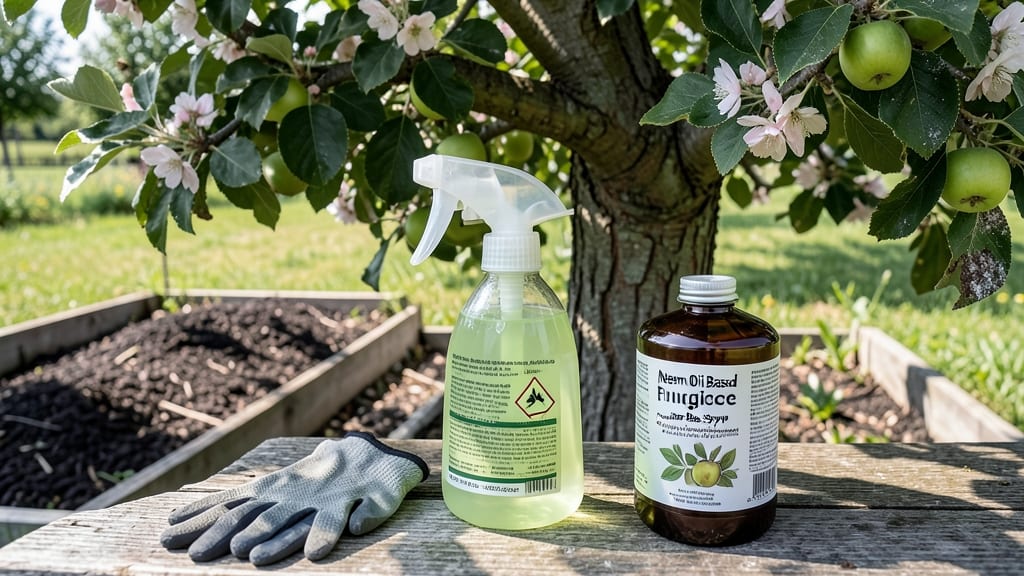
Your apple tree’s future depends on stopping fungal diseases before they take hold—copper sprays are the foolproof first line of defense against apple scab, black rot, and powdery mildew. 🌿 I’ve battled these diseases for years, and copper-based fungicides remain my go-to because they prevent infections rather than just treating symptoms.
The key? Applying them at the right time with the right technique to protect your tree’s leaves, fruit, and overall health.
Most fungal problems start when spores splash onto leaves during wet spring weather. Copper spray works by forming a protective shield on plant surfaces, blocking spores from germinating. Unlike chemical fungicides, it’s safe for organic orchards and breaks down naturally in the environment.
You’ll need to apply it 3-4 times per season—once before blooms, again at petal fall, and then as a preventive spray every 10-14 days during rainy periods.
By following a simple spray schedule, you’ll see fewer blackened leaves, fewer misshapen apples, and a tree that thrives instead of struggling. The best part? Copper sprays are affordable and easy to make at home with copper sulfate or copper hydroxide.
Just mix it with water, add a bit of soap as a sticker, and spray thoroughly—no fancy equipment needed.
Whether you’re dealing with a young tree or an established orchard, this method keeps fungal diseases in check while keeping your fruit healthy and your tree strong. Let’s get your apples growing strong and disease-free this season!
Root Causes Of Fungal Spread
Fungal infections in apple trees aren’t random—they thrive due to a mix of environmental stress, weak defenses, and poor growing conditions. Understanding these triggers helps you take targeted action to prevent outbreaks before they start.
Below, we break down the key reasons why fungi like apple scab, powdery mildew, and fire blight gain the upper hand, along with the science behind their success.
Fungi love damp conditions—think of them as aquatic invaders.
Apple trees are especially vulnerable when: - Leaves stay wet for long periods (over 9 hours of leaf wetness triggers spore germination). - Soil is waterlogged from overwatering, poor drainage, or heavy rainfall, creating a breeding ground for pathogens in the root zone. - Morning dew or overhead irrigation keeps foliage damp, giving spores the perfect environment to latch onto leaves and fruit.
Why it matters: Fungal spores (like Venturia inaequalis, the apple scab pathogen) release enzymes that break down the tree’s waxy cuticle when moisture is high. Without this protective barrier, the tree’s cells become easy targets.
Fungi aren’t picky—they just need the right climate.
For apple tree diseases: - Cool, wet springs (50–70°F) are prime time for apple scab spores to germinate and infect new leaves. - High humidity (70%+) creates a thick, moisture-rich atmosphere that spores love—think of it as their personal sauna. - Sudden temperature swings (e.g., warm days followed by cool nights) stress trees, weakening their natural resistance.
Pro tip: 💡 Use a hygrometer to monitor humidity near your trees. If it’s consistently above 70%, it’s time to intervene with fungicides or cultural fixes.
A healthy tree fights off fungi like a superhero with a shield. But when trees are stressed, their defenses drop, and fungi move in.
Common stress factors include: - Nutrient deficiencies (especially magnesium, zinc, or boron), which impair cell wall strength. - Physical damage from hail, pests (like aphids or mites), or improper pruning, creating entry points for spores. - Root issues (compacted soil, girdling roots, or poor mycorrhizal activity), which limit the tree’s ability to absorb water and nutrients.
Science alert: 🔬 Trees produce phytoalexins (natural antifungal compounds) when threatened. But chronic stress depletes these defenses, leaving the tree vulnerable.
Fungi spread like wildfire in crowded or neglected orchards.
Here’s how: - Poor airflow between trees traps moisture and spores, creating a fungal hotspot. - Infected plant debris (fallen leaves, mummified fruit, or old wood) acts as a spore reservoir, reinfecting the tree year after year. - Shared tools or equipment (pruners, ladders) can transfer spores from one tree to another.
Actionable fix: 🧹 Remove and destroy (don’t compost!) infected debris. Space trees 12–15 feet apart to improve airflow and reduce humidity.
Some pests don’t just damage trees—they help fungi spread.
For example: - Aphids and mites feed on sap, weakening leaves and creating wounds where spores can enter. - Coddling moth larvae burrow into fruit, leaving behind entry points for blue mold or sooty mold. - Scale insects excrete honeydew, which promotes sooty mold growth on leaves and fruit.
Why it’s worse: These pests often carry fungal spores on their bodies, acting like tiny disease delivery systems. 🚛💨
Some apple varieties are genetically predisposed to fungal diseases. For instance:
- McIntosh and Golden Delicious are highly susceptible to apple scab.
- Granny Smith struggles with powdery mildew in humid climates.
- Local heirloom varieties may lack resistance to regional fungal strains.
Solution: 🌍 If you’re in a high-humidity zone, choose resistant varieties like Liberty or Enterprise, bred to tolerate fungal pressure.
Even the best fungicides fail if applied too late. Fungal spores can germinate in as little as 6 hours under ideal conditions.
Missed windows include: - Pre-bloom sprays (before petal fall) to prevent primary infections. - Post-harvest cleanup to remove overwintering spores. - Summer pruning (which opens wounds when trees are already stressed).
Critical window: ⏰ Pink bud stage is when apple scab spores start releasing—don’t wait to act!
Pollution, nearby infected trees, or even windborne spores from miles away can introduce new fungal strains.
For example: - Industrial smog weakens leaf cuticles, making them easier targets. - Wild apple trees or crabapples can harbor resistant fungal strains that jump to your orchard. - Birds or wildlife may spread spores via droppings or nesting materials.
Defense strategy: 🛡️ Isolate your orchard from wild apple sources and monitor spore traps (commercial kits available) to track local fungal activity.
Fixing Fungal Issues Naturally
Fungal infections like apple scab, powdery mildew, and black rot can turn your thriving apple tree into a sad, spotted mess—but don’t panic! With the right copper-based fungicides and proactive care, you can restore your tree’s health and prevent future outbreaks.
Below, we break down cause-specific solutions with step-by-step fixes and prevention tips to keep your orchard fungus-free.
Apple scab thrives in wet, humid conditions, causing dark, velvety spots on leaves and fruit. Here’s how to stop it in its tracks:
🔥 Immediate Treatment: Copper Fungicide Spray
- Choose the Right Copper Product
- Use copper sulfate (CuSO₄) pentahydrate or copper hydroxide (like Kocide 3000 or Chesapeake Copper Fungicide).
- Opt for organic-certified options if your garden is chemical-free.
- Timing Is Everything
- Apply before symptoms appear—ideally in early spring (pink bud stage) and again after rain or every 10–14 days during wet seasons.
- Reapply after heavy rain (copper washes off quickly).
- Mix & Spray Correctly
- Follow label instructions for dilution (typically 1–4 lbs per 100 gallons of water).
- Spray thoroughly, covering both sides of leaves, stems, and fruit—even the ground beneath the tree (fungi lurk there too!).
- Best time to spray: Early morning or late afternoon to avoid burning leaves in direct sunlight.
🌱 Prevention for Next Year
- Prune for airflow: Remove crossing branches and dense foliage to reduce humidity.
- Mulch properly: Use wood chips or straw (not thick layers) to improve drainage.
- Clean up debris: Rake and compost or discard fallen leaves and mummies (infected fruit) in fall.
This white, powdery fungus loves dry heat and weak trees. Copper fungicides work, but you’ll also need cultural fixes:
🍳 DIY Remedy: Baking Soda + Copper Boost
- Mix a Preventative Spray
- Combine:
- 1 tsp baking soda
- 1 tbsp horticultural oil or neem oil
- 1 tsp copper fungicide (like copper soap)
- 1 gallon water
- Spray every 7–10 days during mildew season (late spring to summer).
- Combine:
- Prune & Thin Out
- Remove heavily infected leaves and thin fruit to improve airflow.
- Avoid overhead watering—use drip irrigation instead.
💡 Pro Tip:
- Resistant varieties like ‘Liberty’ or ‘Enterprise’ apple trees are less prone to powdery mildew.
Black rot causes target-shaped lesions on leaves and sunken, cracked fruit. It spreads fast—act fast!
👨🍳 Emergency Copper Treatment
- Double Down on Copper
- Use copper fungicide + a systemic option (like myclobutanil) for severe cases.
- First spray: At green tip bud stage (before leaves emerge).
- Second spray: When 50% of leaves are out.
- Sanitize Tools & Soil
- Disinfect pruners with rubbing alcohol between cuts.
- Solarize soil (cover with clear plastic for 4–6 weeks in summer) to kill fungal spores.
✨ Long-Term Fixes
- Plant disease-resistant varieties (e.g., ‘Jonagold’, ‘Honeycrisp’).
- Remove volunteer apple trees (wild seedlings harbor fungi).
- Apply compost tea in fall to boost tree immunity.
| Mistake | Fix It |
|---|---|
| Overapplying copper | Stick to label rates—too much can burn leaves or harm soil microbes. |
| Skipping reapplication | Set a calendar reminder for post-rain sprays. |
| Ignoring soil health | Test soil pH (aim for 6.0–7.0) and amend with compost. |
| Using expired fungicide | Check expiration dates—copper loses potency over time. |
If your tree is severely infected (e.g., 50%+ leaf drop, extensive fruit rot), consult a local arborist or cooperative extension service for customized fungicide blends or tree health assessments.
Final Thought: Copper fungicides are your first line of defense, but prevention (cleanup, airflow, resistant varieties) is the real game-changer. With consistent care, your apple tree can bounce back—and next season, you’ll be harvesting healthy, blemish-free fruit! 🍏✨
Frequently asked questions
When is the best time to apply copper fungicide to apple trees?
Apply copper fungicide before symptoms appear, starting at the pink bud stage in early spring. Follow up with sprays every 10-14 days during wet seasons or after heavy rain. This prevents fungal spores from germinating and infecting new growth.
Can I mix copper fungicide with other sprays?
Yes, but test small areas first. Copper works well with neem oil or horticultural oil for powdery mildew, but avoid mixing with sulfur (can cause leaf burn). Always follow label instructions for compatibility.
How long does copper fungicide last on apple trees?
Copper fungicide provides protection for about 1-2 weeks or until heavy rain washes it off. Reapply after rain or every 10-14 days during high-risk periods (spring and early summer). Consistency is key!
Is copper fungicide safe for organic apple orchards?
Yes, copper-based fungicides are OMRI-listed for organic use when applied correctly. Stick to label rates (typically 1-4 lbs per 100 gallons) to avoid copper buildup in soil. Organic options like copper hydroxide are ideal.
What should I do if my apple tree shows signs of fungal disease after using copper?
If you see symptoms despite copper treatment, try rotating fungicides (e.g., switch to sulfur or potassium bicarbonate) or combine with cultural fixes like pruning for airflow. Severe cases may need a systemic fungicide—consult a local extension service for guidance.