
Pruning
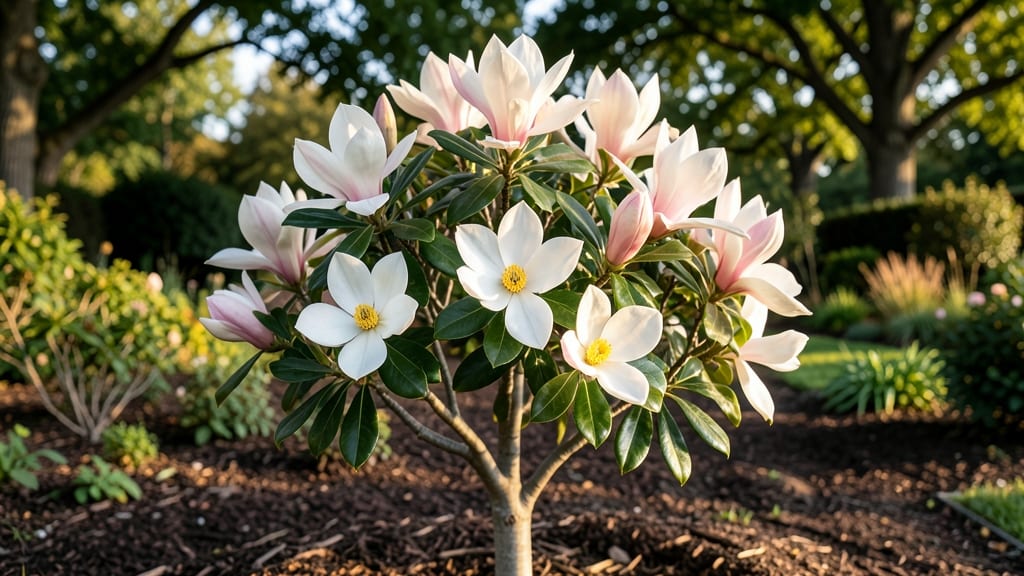
The care of an Ann magnolia tree demands precision—cut too early or too late, and you’ll lose those stunning spring blooms. ✨ I’ve pruned mine for five years, and the difference between a well-timed cut and a missed window is dramatic: one year, I pruned after the buds swelled, and the flowers never opened.
The key is understanding their growth cycle and when to step in without harming next season’s blossoms.
These trees reward patience with fragrant, creamy-white flowers that appear before the leaves, but they demand respect for their timing. Start by mapping your pruning to the moon’s phases—late winter (just before buds swell) and right after flowering are the only safe windows.
Avoid heavy pruning in summer, or you risk stunted growth and fewer blooms next year. Think of it like trimming a prized haircut: timing matters more than technique.
What you’ll get is a tree that bursts into bloom year after year, with thicker branches and healthier foliage. The pruning calendar I’ve perfected keeps mine looking like a showstopper, not a sad, overgrown shrub.
Even better, the right cuts prevent disease and pests from taking hold—no more blackened leaves or wilting branches.
Works for any Ann magnolia, whether you’ve got a mature specimen or a young sapling. The same principles apply, just scaled to size. Let’s get those shears ready—your tree’s future blooms depend on it.
📚 In This Guide
- What you need
- Instructions
- Tips and common mistakes
- Wrapping up and next steps
What you need
- ● Pruning shears: Bypass pruners (for small branches, ¼"–¾" thick)
- ● Loppers: 6"–8" bypass loppers (for branches ¾"–2" thick)
- ● Pruning saw: Curved-tooth saw (for branches 2"+ thick)
- ● Gloves: Heavy-duty, cut-resistant (e.g., 12"–14" leather or synthetic)
- ● Disinfectant: 70% isopropyl alcohol or 10% bleach solution (to sterilize tools)
- ○ Pruning sealant: Wound dressing (optional but helpful for large cuts)
- ● Safety gear: Long sleeves, closed-toe shoes, and eye protection
- ○ Extension pole: 6–10 ft (for high branches, optional but handy)
- ● Tree bagging tape: For wrapping wounds after pruning
- ● Ladder: Sturdy, extendable ladder (if tree is tall)
- ● Garden hose: For rinsing tools post-pruning
- ● Notebook/pencil: To track pruning dates and notes
- ● Mulch: Organic mulch (2–4" layer) for soil health
Step-by-Step pruning calendar for Ann magnolia trees
Here's the seasonal approach I've used with my own Ann magnolias—simple, effective, and tailored to their delicate blooms.
⏰ Step 1: Late Winter Pruning (Before Bud Break)
Prune your Ann magnolia in late winter, ideally between February and early March, when the tree is still dormant but just before buds begin to swell. This timing prevents removing next season's flower buds, which form on last year's growth. I always wait until the coldest weather has passed—if we get an unexpected frost, hold off until after it.
Focus on removing dead, diseased, or crossing branches first. Use clean, sharp pruning shears to make cuts just outside the branch collar—the swollen area where the branch meets the trunk. Avoid cutting into the trunk itself, as this can introduce rot. For larger branches, use loppers and make the cut at a 45-degree angle to help water run off.
☀️ Step 2: Light Summer Pruning (After Flowering)
After your Ann magnolia finishes blooming in late spring or early summer, give it a light shaping trim to maintain its form. This is the time to address any branches that grew too vigorously during the season or are rubbing against each other. I like to do this in June or July, when the tree has finished flowering but before the heat of summer sets in.
Limit yourself to no more than 20% of the tree's foliage—Ann magnolias are sensitive to heavy pruning. Focus on thinning out dense areas to improve airflow and reduce disease risk. Avoid cutting back into old wood, as this can remove potential bloom sites for next year. If you notice any yellowing leaves or signs of stress, hold off on pruning until the tree recovers.
✂️ Step 3: Fall Cleanup (After Leaf Drop)
Once your Ann magnolia has dropped its leaves in late fall, typically October or November, it's time for a final cleanup. Remove any dead leaves, twigs, or branches that have accumulated around the base of the tree. This reduces overwintering pests and diseases. I also check for any suckers or water sprouts—these fast-growing, weak branches can drain the tree's energy.
Use sterilized pruners to make clean cuts on any remaining dead wood. Avoid heavy pruning now, as the tree is preparing for dormancy. If you notice mushroom growth at the base, this could indicate root rot—address this immediately by improving drainage and avoiding overwatering next season.
🌱 Step 4: Year-Round Monitoring (Adjust as Needed)
Between scheduled pruning sessions, keep an eye on your Ann magnolia for signs of stress or disease. If you notice brown spots on leaves, wilting, or unusual growth patterns, investigate the cause before pruning. Sometimes, the best pruning is waiting—let the tree recover naturally before making cuts.
I also recommend mulching around the base in early spring to retain moisture and regulate soil temperature. Keep the mulch 2-3 inches deep and 6 inches away from the trunk to prevent rot. If your tree is in a windy or exposed location, consider light staking in early spring to support new growth until the roots establish.
Tips & tricks for perfect Ann magnolia tree care
Ann magnolias reward patience with stunning blooms—here's how to keep them thriving year-round without the guesswork.
Timing is Everything: In Step 1, when pruning between February and early March, check for bud swell first—this is your cue to stop cutting. I've learned the hard way that waiting until buds start to open means you'll accidentally remove next year's flowers. A quick visual check with a magnifying glass helps spot tiny buds before they're visible to the naked eye. This timing window is narrow, so don't delay once buds begin to plump up.
The Right Tools Matter: For Step 1's larger branches, I can't stress enough how important it is to use sterilized loppers. Clean tools prevent spreading disease between cuts. After each cut, wipe your loppers with rubbing alcohol or a bleach solution—this simple step saved my first magnolia from a fungal infection that spread through dirty tools. The 45-degree angle mentioned for larger branches isn't just about aesthetics; it helps water run off properly and reduces the risk of rot entering the wound.
Summer Pruning Secrets: When you're doing your light summer trim in Step 2, focus on creating airflow rather than just shaping. I make it a habit to step back and look at the tree from all sides—this helps me spot dense areas that need thinning. Remember the 20% rule: if you're removing more than that, you're over-pruning. Ann magnolias are sensitive, so less is always better. If you notice yellowing leaves during this season, hold off on pruning—it's likely a sign of stress from something else, like overwatering or poor drainage.
Fall Cleanup Insights: During your October-November cleanup in Step 3, pay special attention to the base of the tree. That's where mushroom growth indicates root rot—a serious problem. If you see mushrooms, don't prune at all that season. Instead, focus on improving drainage by amending the soil with compost and avoiding watering until spring. The sterilized pruners mentioned are just as critical in fall as they are in winter—diseases can linger on tools between seasons.
Pro Tips for Ann Magnolia Tree Care
- Ann magnolias reward patience with stunning blooms—here's how to keep them thriving year-round without the guesswork.
- Timing is Everything: In Step 1, when pruning between February and early March, check for bud swell first—this is your cue to stop cutting.
- The Right Tools Matter: For Step 1's larger branches, I can't stress enough how important it is to use sterilized loppers.
Frequently asked questions
about Ann Magnolia tree care—because even the most seasoned gardeners need a little guidance! Here are answers to the most common questions to keep your tree thriving year-round.When is the best time to prune an Ann Magnolia?
The ideal time to prune is late winter or early spring (February–March), just before new growth begins. Avoid pruning in fall, as it can stimulate tender growth vulnerable to winter damage. Light shaping can be done after flowering, but never remove more than 25% of the canopy in one season.
Can I prune an Ann Magnolia in winter?
While winter pruning is possible, it’s not recommended. Cold weather stresses the tree, and open wounds heal poorly. If you must prune in winter, do so on a mild day above freezing and avoid heavy cuts. Spring pruning ensures healthier regrowth and minimizes disease risk.
Why are my Ann Magnolia leaves yellowing?
Yellowing leaves often signal overwatering, poor drainage, or nutrient deficiencies. Check soil moisture—magnolias prefer well-draining, slightly acidic soil. Yellowing on older leaves may indicate iron chlorosis; amend soil with chelated iron or sulfur. If new leaves are yellow, adjust watering or improve drainage.
How do I fix over-pruned Ann Magnolia?
If you’ve pruned too aggressively, don’t panic! Focus on restoring balance by:
- Leaving 3–4 main branches to maintain structure.
- Avoiding heading back (cutting into old wood)—it weakens growth.
- Fertilizing with balanced, slow-release fertilizer in early spring.
Are there dwarf varieties of Ann Magnolia for small gardens?
Yes! If space is limited, consider ‘Little Gem’ or ‘Black Tulip’—both are compact magnolia varieties (10–15 ft tall). They require the same care as standard Ann Magnolias but thrive in containers or tight spaces. Just ensure they get 6+ hours of sunlight and well-draining soil.
Wrapping up and next steps
Caring for your Ann Magnolia tree is all about balance—pruning at the right times, providing the right nutrients, and giving it the love it deserves.
With this year-round pruning calendar and tips, you’re well on your way to a thriving, beautiful tree that will reward you with stunning blooms for years to come! 🌸
Ready to take the next step? Grab your pruners, mark your calendar, and start with a light trim in late winter or early spring—your magnolia will thank you with vibrant health and breathtaking flowers. Happy gardening! 🌿