
Pruning
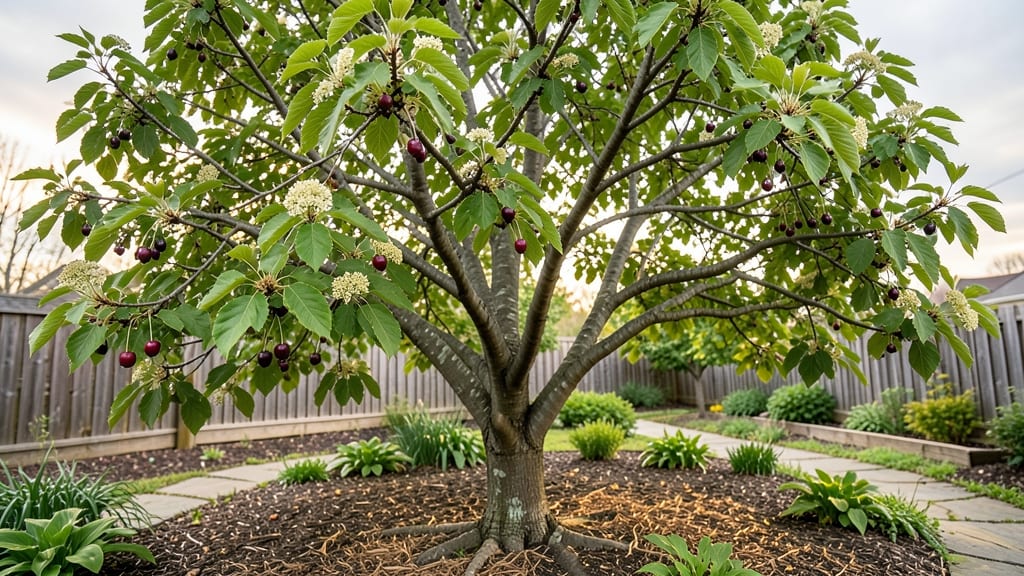
Pruning your cherry tree in North Carolina isn’t just about shaping—it’s about fighting back against brown rot and keeping fruit production strong through our humid summers. 🌳 I’ve learned the hard way that skipping winter pruning means inviting disease into your tree’s wounds, while spring cuts can turn into a battle with aphids if you’re not careful.
The key is timing: prune dormant trees in late winter before buds swell, and do light shaping in early summer after harvest. Use sharp tools to make clean cuts at a 45-degree angle, just above a bud that faces outward.
For tart cherries like ‘Montmorency,’ aggressive pruning keeps branches from rubbing together—something sweet cherries like ‘Stella’ tolerate better. You’ll end up with a tree that bears heavier fruit, resists fungal infections, and stays structurally sound through North Carolina’s heat and humidity.
The first year of proper pruning can nearly double your harvest, and the tree’s lifespan stretches for decades with consistent care. Works for both backyard orchards and ornamental plantings—just adjust the intensity based on whether you’re growing for fruit or foliage. Here’s how to do it right the first time.
📚 In This Guide
- What you need
- Instructions
- Tips and common mistakes
- Wrapping up and next steps
What you need
- ● Pruning shears: Bypass pruners (for cuts up to ¾ inch) – Felco F-2 or Corona Tools (sharp, durable, and ergonomic).
- ● Loppers: For branches ¾ to 2 inches thick – Fiskars Steelville (bypass or anvil type).
- ● Pruning saw: For thick branches (2+ inches) – Bahco or Fiskars (curved blade for clean cuts).
- ○ Extension pole saw: Optional but handy for high branches – 30-40 ft telescoping pole.
- ● Gloves: Heavy-duty leather or cut-resistant (e.g., Wells Lamont) to protect from thorns and sap.
- ● Pruning sealant: Tanglefoot Tree Wound Pruning Seal (for cuts larger than 2 inches).
- ● Disinfectant: 70% isopropyl alcohol or Listerine (to sterilize tools between cuts and prevent disease spread).
- ● Tarps or drop cloths: 10x10 ft (to collect debris and protect landscaping).
- ● Twine or zip ties: For temporary support if training young trees.
- ● Ladder or step stool: Sturdy, rated for your height/weight (e.g., Little Giant or Werner models).
- ● Work boots: With ankle support and slip-resistant soles (NC’s clay soil can get messy!).
- ● Safety glasses: ANSI-rated for debris protection.
- ● First-aid kit: Bandages, antiseptic wipes, and tweezers (for splinters or sap burns).
- ● Timing: Prune black cherry in late winter/early spring (before buds swell) or summer (after harvest). Sweet cherry prefers dormant season (Jan–Feb in NC).
- ● Weather: Choose a dry day (avoid pruning if rain is forecasted within 24 hours).
- ● Tree health check: Inspect for signs of black knot disease (common in NC cherries) or borers. Report severe issues to the NC Department of Agriculture.
- ● Local regulations: Check if your county requires permits for large trees (e.g., Town of Chapel Hill has specific rules).
Step-by-step instructions for pruning your North Carolina cherry tree
Here's the method I've used for years to keep my NC cherry trees thriving—timed to match our state's unique climate.
✂️ Step 1: Time Your Pruning for North Carolina's Climate
Prune your cherry tree during late winter to early spring, specifically between February and March when the tree is still dormant but before buds begin to swell. This timing avoids spring diseases that thrive in our humid NC climate. I always check the forecast for a dry, calm week—wet conditions can spread bacterial canker, a common cherry tree disease here.
For tart cherries, avoid heavy pruning in fall since it encourages new growth that won't harden off before winter. Sweet cherries are more forgiving but still benefit from winter pruning. Watch for first bud swell—that's your signal to finish pruning before sap starts flowing heavily.
✂️ Step 2: Remove Dead, Diseased, and Crossing Branches
Start by cutting out any dead or diseased branches first—these are the biggest infection risks. Use clean, sharp pruners (I sterilize mine with rubbing alcohol between cuts) and make cuts just outside the branch collar where it meets the trunk. For diseased wood, bag and dispose of it immediately to prevent spreading pathogens.
Next, remove any branches that cross or rub against each other. These create wounds where bacteria can enter. I look for branches growing inward toward the center of the tree—these should come out completely. Make your cuts at a 45-degree angle just above an outward-facing bud to encourage proper regrowth direction.
☀️ Step 3: Thin the Canopy for Better Airflow and Light
Cherry trees need good airflow to prevent fungal diseases common in NC's heat and humidity. Step back and look at your tree's structure—aim to remove 20-30% of the canopy by selecting branches that are too close together or growing straight upward. These vertical "water sprouts" compete with fruit production and create dense shade.
Focus on removing branches from the lower third of the tree to open up space for future growth. I always prioritize branches that are 1/3 the diameter of the trunk or smaller—these are easier to remove and won't leave large wounds. Leave some smaller branches to maintain the tree's natural shape while improving light penetration.
✂️ Step 4: Shape for Structural Integrity and Fruit Production
Now it's time to refine the tree's shape. For young trees, I establish a strong central leader (main upward branch) and remove competing vertical stems. For mature trees, I maintain an open-center form that allows sunlight to reach all branches—critical for fruit development in NC's partial shade conditions.
Make your shaping cuts just above a healthy outward-facing bud. Avoid leaving stubs—these can rot and invite pests. For larger branches over 2 inches in diameter, make a second cut 6-12 inches out from the trunk and a third cut to remove the branch completely. This three-cut method prevents bark tearing.
💧 Step 5: Post-Pruning Care for North Carolina Conditions
After pruning, apply a wound dressing only to larger cuts over 2 inches in diameter—smaller cuts should be left to heal naturally. I use a tree sealant specifically formulated for fruit trees to prevent disease entry. Water deeply around the root zone to help the tree recover from the stress of pruning.
Monitor your tree closely for the first 4-6 weeks after pruning. Watch for signs of stress like wilting leaves or oozing sap—these indicate potential disease or pest issues. In NC's climate, I've found that pruned cherry trees benefit from a balanced fertilizer applied in early spring to support new growth.
Tips & tricks for pruning your North Carolina cherry tree
These field-tested tricks will help you prune like a local expert—saving you time, avoiding common mistakes, and keeping your NC cherry tree thriving for years.
Timing is Everything: The February-March window is critical for NC's climate. If you miss it, you risk encouraging spring diseases or promoting tender new growth that won't survive our winters. I've seen firsthand how wet conditions in April can spread bacterial canker—always check the forecast for a dry week before pruning. For tart cherries specifically, avoid fall pruning entirely unless you're dealing with disease—new growth won't harden off before our cold snaps.
Sterilize Your Tools: This is non-negotiable for NC cherry trees. I sterilize my pruners with rubbing alcohol between every cut, especially when removing diseased branches. Our humid summers create perfect conditions for fungal spores to spread. For larger cuts over 2 inches, I use a tree sealant immediately after pruning—this prevents disease entry points that would otherwise invite trouble during our rainy season. Don't skip this step, even for small branches.
The 20-30% Rule: When thinning the canopy, aim to remove this percentage of branches to maintain proper airflow. In our heat and humidity, poor circulation leads to fungal diseases that can devastate your harvest. Focus on removing vertical "water sprouts" first—these compete with fruit production and create dense shade where moisture lingers. Remember to prioritize branches from the lower third of the tree to open up space for future growth while maintaining the tree's natural shape.
Shape with Purpose: For young trees, establishing a strong central leader is key. For mature trees, maintain an open-center form that allows sunlight to reach all branches—this is especially important for fruit development in our partial shade conditions. When making shaping cuts, always look for healthy outward-facing buds. The three-cut method for branches over 2 inches prevents bark tearing, which would create wounds that invite pests during our warm months.
Pro Tips for Cherry Tree North Carolina
- These field-tested tricks will help you prune like a local expert—saving you time, avoiding common mistakes, and keeping your NC cherry tree thriving for years.
- Timing is Everything: The February-March window is critical for NC's climate.
- Sterilize Your Tools: This is non-negotiable for NC cherry trees.
Frequently asked questions
Got questions about pruning cherry trees in North Carolina? You’re not alone! Here are some of the most common concerns—plus quick, actionable answers to keep your tree thriving.
When is the best time to prune cherry trees in North Carolina?
For sweet cherries, prune in late winter or early spring (February–March) while the tree is still dormant but before buds swell. Tart cherries (like Montmorency) can handle pruning in late winter to early spring or even summer after harvest. Avoid pruning during active disease outbreaks (like bacterial canker) to prevent spreading pathogens.
Can I prune a cherry tree in summer? What’s the risk?
Summer pruning is possible but risky—especially for sweet cherries. Heavy summer cuts can stimulate excessive new growth, which weakens the tree and makes it more vulnerable to cold damage in NC’s winters. If you must prune, do it after harvest (July–August), remove only dead/diseased wood, and avoid over-thinning. Tart cherries tolerate summer pruning better but still benefit from winter shaping.
My cherry tree has brown, crinkled leaves—could it be from pruning mistakes?
Brown, curled leaves often signal bacterial canker or powdery mildew, not pruning errors—but poor cuts can worsen infections. If you pruned too late (post-bud break) or left ragged edges, the tree may struggle to heal. Fix it: Sterilize tools with 70% rubbing alcohol, remove infected branches 1–2 inches below damage, and apply copper fungicide if needed. Thin, healthy foliage helps airflow and recovery.
Should I remove suckers or water sprouts from my cherry tree?
Yes—remove them!
Suckers (shoots from the base) and water sprouts (fast-growing vertical shoots) drain energy from fruit production. Use sharp pruners to cut suckers at ground level and water sprouts just above a bud or lateral branch. For stubborn suckers, apply vinegar or copper-based sprays to discourage regrowth. Pro tip: Mulch around the base (but not touching the trunk) to reduce sucker temptation!
Will pruning my cherry tree reduce next year’s fruit yield?
Not if done correctly! Proper pruning increases fruit quality and yield by improving airflow, sunlight, and branch structure. Over-pruning (removing >25% of canopy) can reduce yield temporarily, but strategic cuts (thinning crowded branches, opening the center) boost long-term production. NC tip: Focus on removing dead wood and crossing branches first—this balances the tree without sacrificing fruit.
Still unsure? Tag a local NC extension agent or share a photo—they’re your best resource for tree-specific advice!
Wrapping up and next steps
North Carolina’s unique climate makes cherry tree pruning a rewarding yet strategic task—one that ensures vibrant blooms, abundant fruit, and long-term health. 🌸 By mastering the right techniques (like dormant-season cuts for tart cherries or summer thinning for sweet varieties) and timing, you’ll transform your tree into a thriving centerpiece.
Remember: patience and precision pay off in years of sweet rewards.
Ready to roll up your sleeves? Start small:
- Pick one branch to practice your cuts this season.
- Snap a photo of your tree’s progress—you’ll love the before-and-after!
- Join a local NC gardening group (like the NC Cooperative Extension) for peer tips and support.