
Pruning
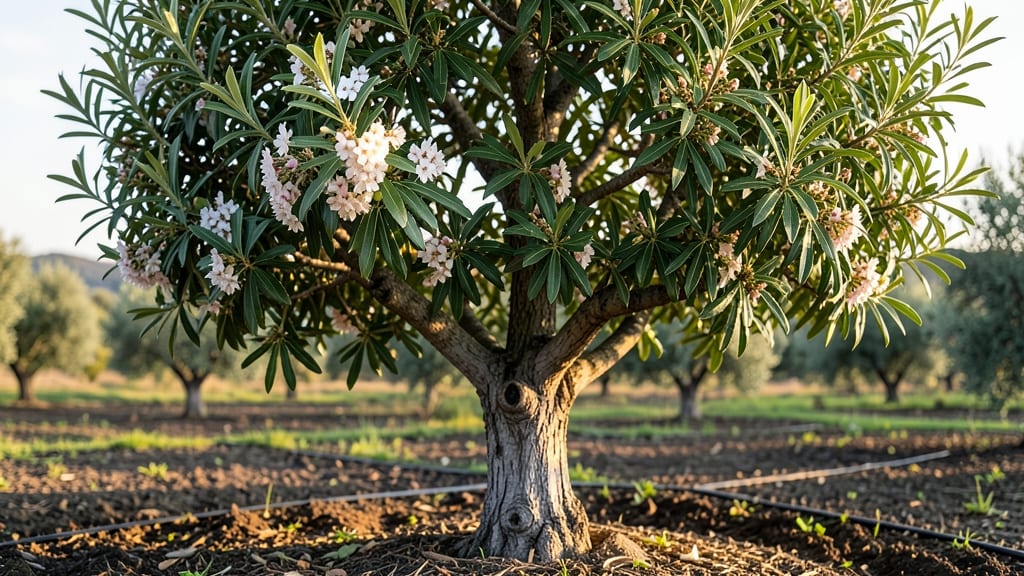
Almond trees grow best in USDA hardiness zones 5 through 9, with peak productivity in zones 6 to 8 where they experience just the right balance of winter chill and summer warmth. California's Central Valley remains the top commercial growing area, but Mediterranean climates with similar seasonal patterns can also support thriving trees with proper care.
Almond trees need 300-600 chilling hours (temperatures below 45°F) each winter to trigger proper flowering, which explains why they struggle in warmer zones like 10 or colder zones like 4. 🌳 The Mediterranean climate—with hot, dry summers and mild, wet winters—mimics their native habitat perfectly, while frost-prone areas require protective measures like windbreaks or microclimates.
I've seen home growers in zone 5 successfully cultivate trees by planting near south-facing walls or using row covers during late spring frosts.
The Central Valley of California produces 100% of America's commercial almonds because its soil and climate create ideal conditions, but home gardeners in Georgia, Arizona, or Oregon can also achieve success.
The key is matching your local climate to the tree's needs—whether through careful site selection, container growing, or even choosing cold-hardy varieties like 'Texas' or 'Mission' that tolerate slightly broader conditions.
💡 In This Article
- Understanding Almond Tree Climate Requirements
- Top US Regions for Growing Almond Trees
Understanding almond tree climate requirements
Almond trees evolved in the Mediterranean basin, where they experience 300-600 hours of winter chill (temperatures below 45°F)—a critical trigger for dormancy and spring flowering. This explains why they struggle in colder zones like 4 (too little chill) or warmer zones like 10 (too little winter dormancy).
The USDA zones 5-9 align perfectly because they provide this ideal chill range while offering hot, dry summers that prevent fungal diseases common in humid climates.
The trees' frost sensitivity comes from their thin bark and delicate blossoms, which can suffer damage below 28°F. Even in zone 6, late spring frosts after bud break can devastate crops—this is why commercial growers in California's Central Valley use frost fans and irrigation to protect blossoms.
Heat tolerance is equally important: almonds need 100-150 frost-free days with temperatures above 60°F for proper nut development.
Mediterranean climates recreate these conditions naturally with their hot, dry summers and mild, wet winters. The deep, well-drained soils in regions like California's San Joaquin Valley (zone 9) provide the perfect combination of heat retention and drainage.
In contrast, humid climates create ideal conditions for Botryosphaeria canker, a fungal disease that thrives in wet, warm conditions—something almond trees can't tolerate.
What most gardeners don't realize is that almond trees actually prefer slightly cooler nights during fruit development (ideal range: 75-85°F days, 55-65°F nights). This temperature differential helps prevent nut shriveling and improves kernel quality.
In warmer zones like 9, afternoon shade cloth (30-50% shade) can help maintain these optimal nighttime temperatures during peak growing months.
For home growers in marginal zones, understanding these requirements means choosing the right location carefully. A south-facing slope in zone 5 can add 5-10°F of warmth compared to a flat yard, potentially extending the growing season.
Similarly, container growing allows you to move trees to sheltered spots during winter or bring them indoors if temperatures dip below 15°F.
Consider these key climate factors when selecting a planting site:
- Chill hours: Verify your local chill hours using NOAA climate data—aim for at least 300 hours below 45°F
- Summer heat: Ensure 100+ frost-free days above 60°F for proper nut maturation
- Drainage: Avoid low spots where cold air pools—almond roots rot easily in waterlogged soil
- Wind protection: Young trees need shelter from cold winds that can drop temperatures 10°F+ faster
The science behind almond tree success lies in this perfect storm of climate conditions—something that's hard to replicate outside their native range.
But with careful site selection and protection, even gardeners in zone 5 can grow productive trees, while those in zone 9 need to manage summer heat and irrigation carefully to prevent stress.