
Pruning
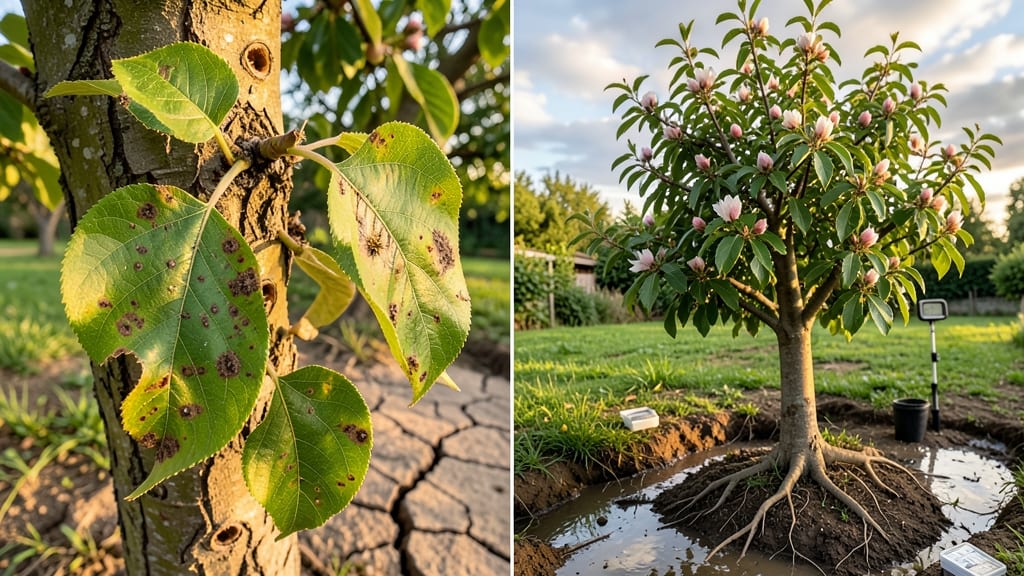
Your peach tree isn’t dying from neglect—it’s fighting a silent battle with peach leaf curl or root rot. 🌱 I’ve lost three trees to fungal diseases, and the first sign is always those curled, brown leaves that look like they’ve been scorched. The good news?
Most peach tree problems have simple fixes once you identify the root cause (literally and figuratively). Start by checking the bark for cankers, the leaves for discoloration, and the soil for soggy spots. Peach leaf curl thrives in wet springs, while root rot chokes trees in heavy, compacted soil.
My tree bounced back after I pruned out infected branches and applied copper fungicide in early spring—now it’s producing fruit again. You’ll need to act fast, but the fixes are straightforward: prune diseased wood, adjust watering, and treat fungal issues with organic sprays.
The key is catching problems early, before they spread. My neighbor’s tree died because he ignored the leaf curl until it was too late—don’t make that mistake. This works for any peach tree, whether it’s a young sapling or a mature producer. Let’s diagnose yours before it’s too late.
Root Causes Behind Your Struggling Tree
When your peach tree starts wilting, dropping leaves, or failing to produce fruit, it’s often a sign that something fundamental is going wrong. Understanding the why behind the decline is the first step to saving it.
Below, we break down the most common culprits—from hidden pests to environmental stressors—that can turn a thriving peach tree into a dying one.
A peach tree’s health is deeply tied to the quality of its soil. If your tree isn’t getting the right balance of nutrients, water, or proper drainage, its roots weaken, and the entire plant suffers. Here’s what to watch for:
- Compacted or Waterlogged Soil: Peach trees need well-draining soil with a pH between 6.0 and 7.0. If the soil is too dense (often from heavy foot traffic or clay), roots suffocate, leading to root rot or fungal infections. Test your soil—if it stays soggy for more than a day after rain, drainage is likely the issue.
- Nutrient Imbalance:
Yellowing leaves, stunted growth, or premature leaf drop can signal deficiencies in nitrogen, potassium, or magnesium. For example:
- Nitrogen deficiency (pale green/yellow leaves) = Slow growth, weak branches.
- Potassium deficiency (brown leaf edges) = Poor fruit development, susceptibility to disease.
- Magnesium deficiency (interveinal yellowing) = Often seen in older leaves.
- Over- or Under-Fertilization: Too much fertilizer burns roots, while too little starves them. Use a balanced 10-10-10 or 12-12-17 fertilizer in early spring, following package instructions. Pro tip: 💡 Spread fertilizer 3–4 feet away from the trunk to avoid root damage.
Fix: Amend soil with compost or organic matter, mulch to retain moisture, and conduct a soil test (available through local extension offices) to address specific deficiencies.
Peach trees are magnets for pests and pathogens, many of which thrive unseen until it’s too late. Here are the top offenders:
- Peach Tree Borers (🐜💀): These wood-boring beetles lay eggs in bark crevices. Their larvae tunnel into the trunk, disrupting water and nutrient flow. Signs: Sawdust-like frass at the base, oozing sap, or wilting despite healthy soil.
- Fungal Diseases (🍄😷):
- Brown Rot (Monilinia fructicola): Causes blossom blight and mummified fruit. Signs: Dark, mushy spots on fruit/leaves, especially after wet springs.
- Leaf Curl (Taphrina deformans): Thick, red, curled leaves in spring. Weakens the tree over time.
- Root Rot (Phytophthora): Thrives in waterlogged soil, causing black, mushy roots.
- Aphids & Scale Insects (🐜🍓): These sap-suckers cluster on new growth, causing curled leaves, sticky honeydew (which attracts sooty mold), and stunted shoots.
Fix:
- For borers: Prune and burn infested branches in late winter. Apply borer bait (like paradichlorobenzene) to the trunk.
- For fungi: Prune for airflow, remove infected fruit/leaves, and spray copper fungicide in early spring.
- For pests: Blast off aphids with water or use neem oil. Introduce ladybugs (natural predators).
Peach trees are hardy but struggle with temperature swings, drought, or harsh winds. Here’s how climate can sabotage your tree:
- Late Frosts (❄️🌸): Peach blossoms are extremely frost-sensitive. A late freeze (<32°F) can kill flowers before they pollinate, leading to no fruit and weakened tree energy. Signs: Blackened blossoms, no fruit set.
- Drought Stress (💧☀️): Peach trees need 1–2 inches of water per week. Prolonged drought causes leaf scorch (brown edges), premature leaf drop, and weak wood. Signs: Wilting even when watered, brittle branches.
- Heat & Wind Burn (🔥🌪️): Intense heat (>90°F) or desiccating winds dry out leaves, causing brown, crispy patches, especially on sun-exposed sides.
Fix:
- Protect from frost: Cover trees with frost cloth during bloom forecasts. Plant in sheltered locations away from cold air pockets.
- Combat drought: Mulch heavily (3–4 inches) and water deeply 2–3 times per week during dry spells.
- Shield from wind: Plant a windbreak (like shrubs or a fence) on the prevailing wind side.
Peach trees rely on structured pruning to stay healthy. Poor cuts or trauma can invite disease and stress the tree. Common mistakes:
- Over-Pruning (🌳➡️🪓): Removing more than 25% of foliage at once stresses the tree, reducing photosynthesis and fruit production.
- Wrong Cuts (❌🔪):
- Flared cuts (leaving stubs) = Invites rot.
- Cutting into the collateral bud (the bud directly opposite the cut) = Weak regrowth.
- Physical Trauma (💥🌳): Lawnmower damage, animal gnawing, or hail scars create entry points for bacteria and fungi.
Fix:
- Prune in late winter/early spring (before buds swell). Use clean, sharp tools and make cuts just outside the branch collar.
- Seal wounds: Apply pruning sealant to cuts larger than ½ inch.
- Protect from damage: Wrap the trunk with tree guard if animals are a threat.
Watering is a balancing act—peach trees hate soggy roots but also suffer from drought. Here
Revive Your Peach Tree Today
A dying peach tree can feel like a heartbreaking setback, but with the right care, you can often nurse it back to health—or even prevent future issues. Below, we’ve mapped out practical solutions for each common cause, along with prevention tips to keep your tree thriving. Let’s get to work!
If your peach tree is struggling due to nutrient-starved or compacted soil, here’s how to give it a nutrient boost:
🔥 Step 1: Test Your Soil Before amending, know what your soil lacks.
Grab a DIY soil test kit (or send a sample to your local extension office) to check: - pH levels (ideal: 6.0–7.0 for peach trees) - Nitrogen (N), Phosphorus (P), Potassium (K) levels - Organic matter content
🍳 Step 2: Amend the Soil
Mix in organic matter to improve drainage and fertility:
- Compost (2–3 inches worked into the top 6–12 inches of soil)
- Well-rotted manure (chicken or cow manure works best)
- Peat moss or coconut coir (for sandy soils)
- Perlite or coarse sand (for clay-heavy soils)
👨🍳 Step 3: Fertilize Properly
Apply a balanced, slow-release fertilizer (like 10-10-10 or 5-10-5) in early spring before new growth starts. Follow package instructions, but avoid over-fertilizing—peach trees are sensitive to excess nitrogen.
🥘 Step 4: Mulch for Moisture & Health
Spread 2–4 inches of organic mulch (wood chips, straw, or pine needles) around the base of the tree, keeping it 6 inches away from the trunk to prevent rot.
💡 Pro Tip: If your tree has yellow leaves, it may need more nitrogen. A light application of compost tea can help without burning the roots.
Peach trees hate soggy roots but also wilting from drought. Here’s how to strike the right balance:
🌡️ Step 1: Check the Soil Moisture
Stick your finger 2 inches deep into the soil:
- Too dry? Water deeply until moisture reaches 12–18 inches down.
- Too wet? Let the soil dry out slightly before watering again.
🎯 Step 2: Water Deeply & Infrequently
Instead of light, frequent watering, give your tree:
- 1–2 inches of water per week (more in extreme heat)
- Slow, deep watering (use a soaker hose or drip irrigation)
- Early morning watering (reduces evaporation and fungal risks)
✨ Step 3: Improve Drainage
If your tree is in clay soil, consider:
- Raised beds (if replanting)
- French drains (to redirect excess water)
- Gravel or sand mixed into the planting hole (for better aeration)
💡 Pro Tip: Brown, crispy leaves = underwatering. Yellow, mushy leaves = overwatering. Adjust accordingly!
Peach trees are magnets for pests and fungi. Here’s how to identify and eliminate the most common threats:
🔪 Step 1: Identify the Problem
| Symptom | Likely Culprit | What It Looks Like |
|---|---|---|
| Holes in leaves | Peach tree borers | Tiny entry holes, sawdust-like frass |
| Black, sticky residue | Aphids or scale insects | Clusters of tiny bugs, honeydew buildup |
| Brown, curled leaves | Peach leaf curl virus | Leaves pucker and die prematurely |
| White powdery spots | Powdery mildew | Fuzzy white coating on leaves |
| Oozing cankers | Bacterial canker | Sunken, oozing wounds on bark |
🍎 Step 2: Apply Organic or Chemical Controls
- For Borers & Beetles:
- Neem oil spray (disrupts insect life cycles)
- Beneficial nematodes (introduce to soil)
- Prune and burn infested branches (prevents spread)
- For Aphids & Scale:
- Spray with soapy water (1 tsp mild soap per quart of water)
- Introduce ladybugs (natural predators)
- Horticultural oil (smothers soft-bodied pests)
- For Fungal Issues (Leaf Curl, Mildew):
- Copper fungicide (prevents spread)
- Baking soda spray (1 tsp baking soda + 1 quart water + a drop of soap)
- Remove and destroy infected leaves
- For Bacterial Canker:
- Prune out infected branches (sterilize tools with rubbing alcohol)
- Apply copper-based fungicide in early spring
💡 Pro Tip: Prevent future outbreaks by pruning for airflow (remove dense, overlapping branches) and cleaning up fallen leaves (where fungi overwinter).
If your tree was pruned at the wrong time or too aggressively, it can shock the tree into decline. Here’s how to fix and improve:
🌿 Step 1: Assess the Damage
- Over-pruned? (Less than 20% of foliage remaining)
- Wrong season? (Pruned in winter or late summer)
- Improper cuts? (Sealed with paint, cut too close to trunk)
🔪 Step 2: Prune Correctly This Year
- Best time to prune: Late winter or early spring (before buds swell)
- What to remove:
- Dead, diseased, or crossing branches
- Suckers (shoots from the base)
- Water sprouts (fast-growing vertical shoots)
- How to cut:
- Use clean, sharp pruners
- Make cuts just outside the branch collar (the swollen area where the branch meets the trunk)
- Avoid sealing cuts (let them callus naturally)
🌱 Step 3: Encourage New Growth
- Apply a balanced fertilizer after pruning to support recovery.
- Water deeply to reduce stress.
- Avoid heavy pruning next year—let the tree recover gradually.
💡 Pro Tip: If your tree is barely holding leaves, light pruning is better than aggressive cuts. Focus on removing only the worst branches first.
If your peach tree is in a harsh microclimate (too hot, too cold, or windy), it may be struggling to survive. Here’s how to protect and adapt it:
🔥 Step 1: Shield from Extreme Heat
- Provide afternoon shade (use shade cloth if temps exceed 95°F).
- Mulch heavily to keep roots cool.
- Water deeply in the morning to reduce evaporation.
❄️ Step 2: Protect from Late Frosts
- Cover young trees with frost blankets if a freeze is forecast.
- Plant in a sheltered spot (away from wind tunnels).
- Avoid low-lying areas where cold air pools.
🌬️ Step 3: Reduce Wind Damage
- Plant near a windbreak (fence, hedge, or other trees).
- Stake young trees if they’re top-heavy.
- Prune to improve structure (avoid narrow, weak branches).
💡 Pro Tip: Peach trees need cross-pollination—if you only have one tree, consider planting a second variety nearby for better fruit set.
Final Thought: Revival takes patience and consistency, but with these fixes, your peach tree can bounce back—and even reward you with juicy fruit next season! 🍑
Frequently asked questions
Why do my peach tree leaves turn brown and curl in spring?
This is likely peach leaf curl, a fungal disease that thrives in wet springs. The curled, brown leaves appear in early spring and can weaken your tree if untreated. Treat with copper fungicide in late winter (before buds swell) and prune infected branches to improve airflow.
Can a peach tree recover from root rot?
Recovery depends on how severe the rot is. If only the outer roots are affected, you can save the tree by improving drainage (add compost or sand) and avoiding overwatering. For advanced rot, you may need to replace the tree—root rot spreads quickly and can kill even healthy trees.
What should I do if my peach tree has no fruit but healthy leaves?
This could be due to late frost damage (killing blossoms), poor pollination, or nutrient deficiencies. Check for blackened blossoms (frost) or thin out branches to improve airflow. If the tree is healthy otherwise, apply a balanced fertilizer in early spring and consider planting a second variety for cross-pollination.
How do I know if my peach tree needs more water or less?
Check the soil 2 inches deep—if it's dry, water deeply until moisture reaches 12–18 inches down. Brown, crispy leaves mean underwatering, while yellow, mushy leaves signal overwatering. Peach trees need 1–2 inches of water per week, but drainage is key—never let them sit in soggy soil.
Is it too late to save my peach tree if it's completely leafless?
Not necessarily! Leafless trees may still be alive if the bark is firm and the trunk isn’t soft or oozing. Prune dead branches, improve soil with compost, and water consistently. If the tree sprouts new leaves by late spring, it’s likely recoverable—patience is key!