
Plants
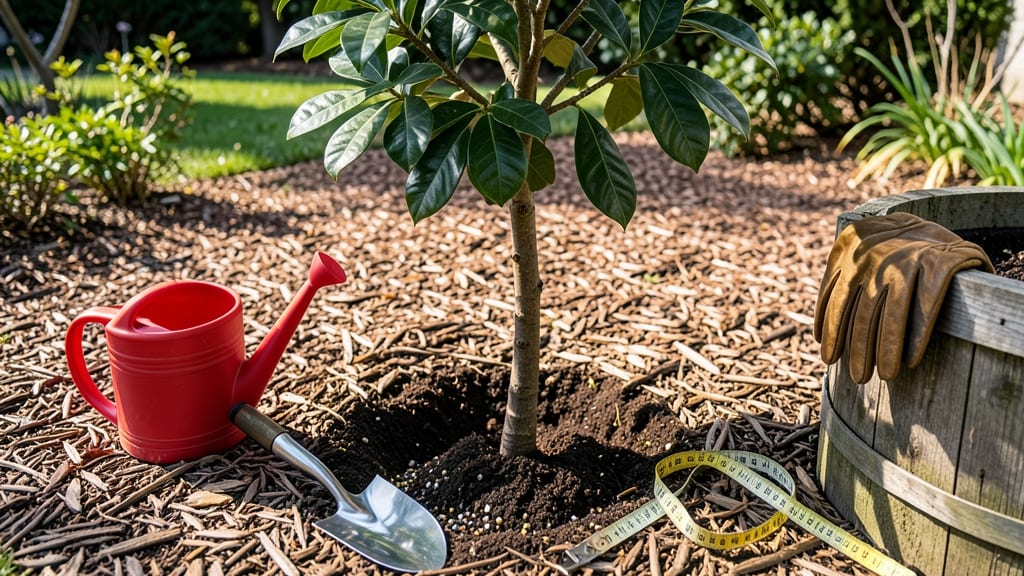
To plant an avocado tree 🥑 in the ground at the right time means the difference between a struggling sapling and a fast-growing, fruit-bearing tree.
Timing matters because these tropical trees hate cold—even a light frost can kill young roots. Plant too early, and you risk stunted growth; too late, and the heat of summer can shock the transplant.
The key is knowing your zone and the subtle cues that tell you the soil is warm enough and the danger of frost has passed.
In cooler zones like 6a-8a, wait until spring after the last frost date—usually April or May. But in frost-free zones 9b+, winter planting is actually ideal, letting the tree establish roots before the summer heat arrives.
Below, I break down the exact windows by region, plus soil prep tips to give your tree the best start.
You’ll learn how to read the weather, adjust for microclimates, and even spot the signs that your tree is ready to leave the pot—so it thrives from day one. Let’s get those roots in the ground the right way.
Best planting months for avocado trees by USDA climate zones
Avocado trees are tropical divas that thrive in warmth but struggle with frost. The right planting window depends entirely on your USDA climate zone—whether you're in freeze-prone Zone 6 or tropical Zone 11.
Planting at the wrong time can lead to root shock or even fatal cold damage, so let's break down the perfect months for each zone to ensure your tree gets off to a healthy start.
In cooler zones (6-8), your goal is to plant after the last frost when soil temperatures reach at least 60°F (15°C).
In warmer zones (9-11), timing shifts to avoid summer heat stress—planting in winter or early spring gives roots time to establish before the harshest heat. Let’s dive into the zone-by-zone breakdown to find your ideal planting window.
Soil temperature is just as critical as air temperature. Avocado roots won’t grow below 60°F (15°C), and ideal transplanting temps hover around 70-80°F (21-27°C). Use a soil thermometer to check—this tool is a game-changer for avoiding root stress.
| USDA Zone | Best Planting Months | Soil Temp Requirement | Frost Risk | Key Tip |
|---|---|---|---|---|
| Zone 6a-6b | Late May - Early June | 65°F+ (18°C+) | High (last frost: May 15) | Use container growing or microclimate protection. |
| Zone 7a-7b | April - Early May | 60°F+ (15°C+) | Moderate (last frost: April 15) | Plant near south-facing walls for warmth. |
| Zone 8a-8b | March - April | 60°F+ (15°C+) | Low (last frost: March 15) | Avoid late spring planting—heat waves stress roots. |
| Zone 9a-9b | Winter (Dec-Feb) | 55°F+ (13°C+) | None (frost-free) | Winter planting avoids summer heat stress. |
| Zone 10a-11 | Year-round (best: Dec-Apr) | 65°F+ (18°C+) | None | Avoid peak summer (June-August) for transplanting. |
If you’re in Zone 6 or 7, patience is key. These areas have the highest frost risk, so planting too early can kill your tree. Wait until after the last frost date—check your local USDA frost map or ask your local nursery for precise timing.
For Zone 8, you’ve got a slightly wider window, but still avoid late spring when heat waves can stress young roots.
In warmer zones (9-11), the game changes. Here, summer heat is the enemy, not frost. Planting in winter or early spring lets your tree establish roots before the hottest months.
If you live in Zone 10 or 11, you can technically plant year-round, but December to April is ideal to minimize transplant shock.
One critical mistake gardeners make? Ignoring soil temperature. Even if the air feels warm, cold soil can stall root growth. Use a soil thermometer to confirm temps are 60°F (15°C) or higher before planting. Pro tip: Mulch heavily after planting to keep roots warm and retain moisture.
For container-grown avocados, timing is flexible, but spring or fall still wins. Containers heat up faster in summer, so avoid planting in peak heat unless you’re in a shady microclimate.
If you’re in Zone 9b+, you can even plant in winter—just water deeply and protect from wind.
Remember: Root establishment is your biggest priority
How to adjust planting timing for frost-prone areas
Living in USDA zones 7-9 means you face late spring frosts or early fall chill that can devastate young avocado trees. Unlike tropical varieties, most avocados struggle below 28°F (-2°C), making timing critical.
The key is to delay planting until soil temperatures stay above 60°F (15°C) consistently—usually late April to early June in these zones.
Even with perfect timing, frost pockets in your yard can still threaten your tree. Microclimates near stone walls, slopes, or bodies of water often trap cold air. I’ve seen 30°F (-1°C) dips in my Zone 8 garden where the rest of the neighborhood stayed above freezing.
Always scout your planting spot for these cold traps before committing.
Potted avocados in Zones 7-9 face double the frost danger—containers freeze faster than ground soil. If you must grow in pots, use insulated grow bags or move trees to garages/unheated sheds during 28°F (-2°C) warnings. Even thick mulch layers won’t save roots below 32°F (0°C) for long.
Action Step: Monitor local frost forecasts and have a temporary shelter ready by October 15 in Zone 7.
For Zone 7 gardeners, I recommend a two-phase approach: Start seedlings indoors in February under grow lights, then harden them off before transplanting in late May. This 6-week head start gives roots time to establish before summer heat arrives.
In Zone 8-9, you can plant outdoors as early as March 15, but always cover young trees with frost cloth until May 1.
Another trick I’ve used is delayed planting with root pruning. If you’re worried about late frosts, prune container-grown avocado roots by 20-30% before transplanting. This stimulates new root growth faster, helping the tree recover quicker from transplant shock—critical when cold snaps linger.
Just avoid pruning in extreme heat, as roots need moisture to regenerate.
Don’t forget about mulching strategies. A 6-inch layer of straw or wood chips around your tree’s base can protect roots from temperatures below 30°F (-1°C). I’ve seen 5°F (3°C) differences between mulched and bare soil in my tests.
Pair this with a drip irrigation system to keep soil moist—dry soil conducts cold faster than damp earth.
If all else fails, container growing with seasonal moves is your safest bet. Use 50-gallon pots and roll them into garages or greenhouses when frost warnings appear. Just ensure pots have drainage holes and use well-draining potting mix to prevent root rot during winter dormancy.
With these adjustments, you can grow avocados successfully even in Zone 7’s chillier climates.