
Plants
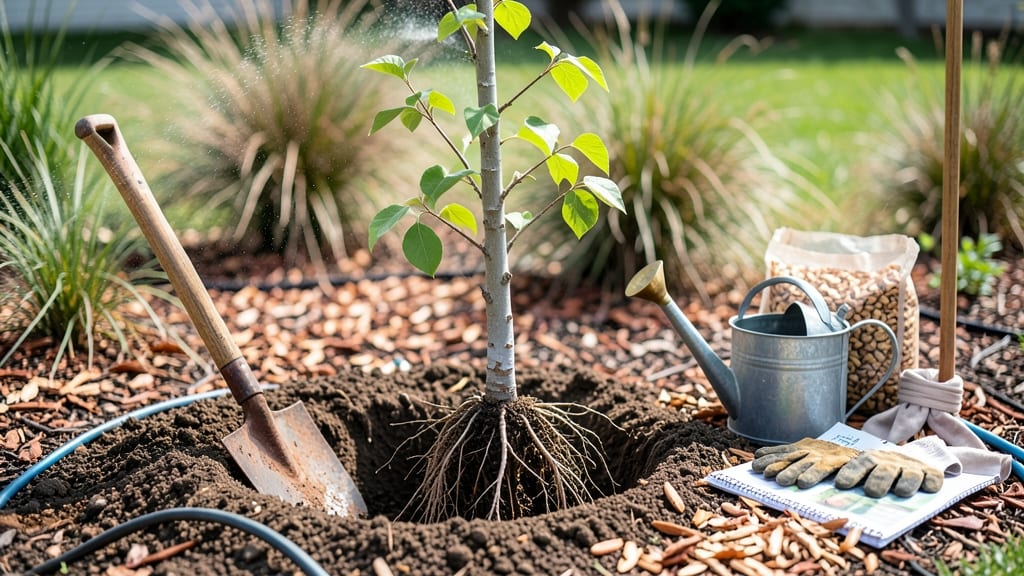
To plant a tree in Texas at the right time means the difference between a thriving 🌳 and a struggling one that never recovers.
Planting a tree in Texas at the wrong time can mean stunted growth, poor survival rates, or even death—so timing is everything for long-term success.
Texas' extreme climate demands precision: too early risks frost damage, too late means weak root establishment before summer heat. Whether you're in North Texas or down in the Rio Grande Valley, the best months vary by region, soil type, and even the kind of tree you're planting.
Here’s how to pick the perfect window for your area, plus the critical mistakes to avoid so your new tree takes root strong and grows for decades.
Texas tree planting calendar: best months by region for optimal root growth
Texas' diverse climate means your tree's success hinges on planting timing. In North Texas, cold snaps can kill young roots, while South Texas heat stresses trees planted too early.
The key is matching your region's frost-free window with your tree type—bare-root trees need cooler soil, while container-grown varieties adapt better to heat. Let's break down the optimal months for each Texas region to ensure strong root growth and long-term survival.
Understanding your local frost dates is critical. North Texas typically sees its last frost around February 15, while South Texas rarely drops below freezing after January 15. Central Texas falls somewhere in between, with February 1 as the average last frost date.
These dates create your planting window—too early and frost damages tender roots; too late and summer heat stresses the tree before roots establish.
For bare-root trees, the best time is when soil temperatures stay above 60°F for two weeks.
This usually means November through February in North Texas, but shifts to September through October in South Texas. Container-grown trees offer more flexibility—their roots stay protected, so you can plant them 4 weeks later than bare-root varieties in most regions.
Native Texas trees like live oaks and pecans thrive when planted in their region's optimal window. In West Texas, where drought is a constant threat, planting in late fall (November) gives roots time to establish before summer arrives.
Meanwhile, Central Texas gardeners should focus on February through April to avoid both frost and extreme heat.
Here's a quick comparison of Texas regions to help you decide when to plant your tree:
| Region | Ideal Planting Window | Key Climate Factors | Tree Types Best Suited | Critical Avoidance Periods |
|---|---|---|---|---|
| North Texas (Dallas, Fort Worth) | Bare-root: November-February Container: February-April |
Last frost: Feb 15 Summer heat: May-Sept Soil temp: 60°F+ needed |
Live Oak, Pecan, Redbud, Crape Myrtle | June-August (extreme heat) |
| Central Texas (Austin, San Antonio) | Bare-root: February-April Container: March-May |
Last frost: Feb 1 Summer heat: April-Sept Caliche soil common |
Mexican Sycamore, Cedar Elm, Mountain Laurel, Spanish Oak | July-September (drought + heat) |
| South Texas (Houston, Corpus Christi) | Bare-root: September-October Container: October-November |
Last frost: Jan 15 Humidity: High year-round Soil stays warm |
Sabal Palm, Texas Ebony, Anacua, Bald Cypress | December-February (unpredictable cold snaps) |
| West Texas (Lubbock, Midland) | Bare-root: November-December Container: December-January |
Last frost: Feb 28 Drought: Year-round risk Alkaline soil |
Mesquite, Chinaberry, Desert Willow, Yucca | April-June (100°F+ soil temps) |
In North Texas, I recommend planting live oaks and pecan trees in late fall or early spring. These trees establish roots quickly when soil temperatures are cool, giving them a head start before summer arrives.
For container-grown trees, like Japanese maples, you can extend your planting window into April, but be prepared to provide extra shade and water during the hottest months.
Central Texas gardeners have a slightly longer window due to milder winters. Mexican sycamores and cedar elms thrive when planted in February or March. These trees handle Central Texas' caliche soil well and establish roots before the intense summer heat sets in.
If you're planting container-grown trees like crepe myrtles, aim for March or early April to avoid the peak heat of summer.
For South Texas, the September-October window is ideal for bare-root trees. The Sabal palm and Texas ebony are excellent choices that adapt well to the region's humidity and warm soil.
Container-grown trees can be planted slightly later, but avoid December through February due to unpredictable cold snaps that can damage tender roots.
West Texas presents unique challenges with its drought-prone climate and alkaline soil. Planting in November or December gives trees time to establish before summer arrives. Native trees like mesquite and chinaberry are drought-tolerant and thrive in these conditions. If you're planting container-grown trees, focus on
5 Critical factors that determine the perfect planting time in Texas
Texas gardeners know timing is everything—but beyond just picking a month, soil temperature, rainfall patterns, and tree type all dictate when to plant.
I’ve learned the hard way that planting a live oak in July heat means certain failure, while a container-grown pecan can thrive in March when bare-root varieties can’t. Let’s break down what truly matters for Texas success.
First, soil temperature is the non-negotiable rule. Most Texas trees need soil to stay above 60°F for 2+ weeks before planting. In North Texas, this means waiting until late February or March, while South Texas can often plant in September without issues.
I always check with a soil thermometer—it’s the difference between thriving roots and stressed saplings.
🌱
Soil Temperature Rule
Must stay above 60°F for 2+ weeks (use soil thermometers in North Texas; South Texas rarely waits).
Rainfall Timing
Central Texas needs 1-2 inches post-planting; West Texas requires 48-hour pre-soaking for clay soils.
Container vs. Bare-Root
Container-grown trees can plant 4 weeks later than bare-root (critical for North Texas spring planting).
Drought Risk Zones
West Texas (Zone 8a) needs deep watering schedules; East Texas (Zone 9a) benefits from mulch rings.
Microclimates Matter
Urban heat islands (like Dallas) can be 10°F hotter than rural areas—adjust planting by 2-4 weeks later.
Next, rainfall timing changes everything. In Central Texas, I’ve seen cedar elms thrive when planted after 1-2 inches of rain, but in West Texas, I pre-soak the planting hole for 48 hours before inserting the tree.
Dry soils act like concrete—roots can’t penetrate without moisture. Always check your local drought monitor before digging.
Here’s where container-grown vs. bare-root trees split timing dramatically. Bare-root mesquite trees must go in during dormant season (December-February), while container-grown crepe myrtles can handle March or even April plantings.
I once lost three live oaks because I assumed container-grown meant flexible timing—wrong! Always check the nursery tag for specific guidance.
Don’t overlook drought risk zones. West Texas (like Lubbock) has higher evaporation rates, so I plant native pecans in October to establish roots before summer. Meanwhile, in Houston’s humidity, I can push February plantings for southern magnolias without stress.
Your local Texas A&M AgriLife extension office has soil maps that reveal these hidden risks.
Finally, microclimates throw off standard calendars. A Dallas backyard might be 10°F hotter than the surrounding countryside due to pavement and buildings. I’ve adjusted my spring planting by 2-4 weeks later in urban areas, adding 50% more mulch to compensate.
Use a soil thermometer and shade sensors to spot these differences before planting.
🌳