
Pruning
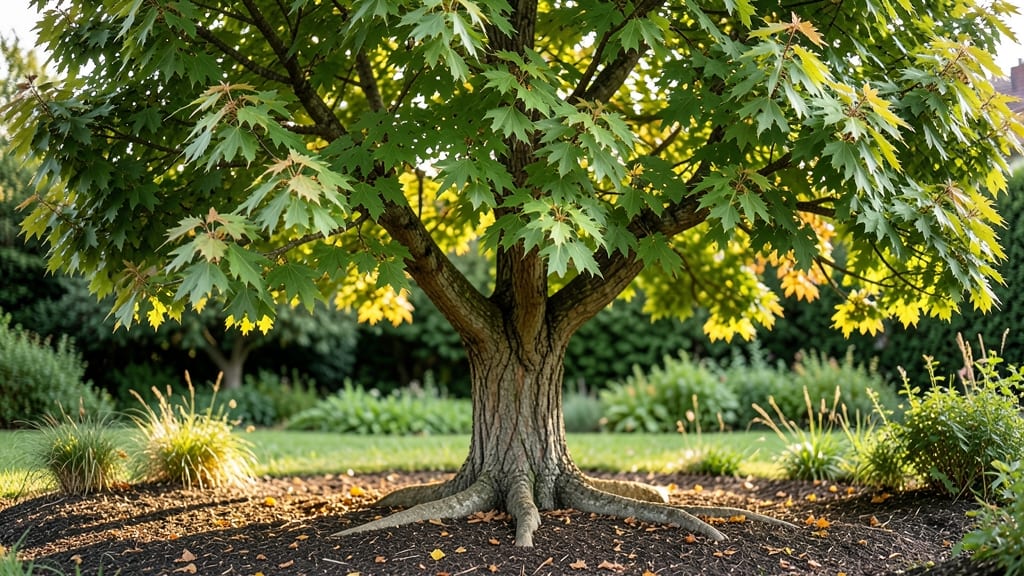
Identifying that mysterious tree in your yard just got easier. 🌳 Google’s tools and a few key visual clues let you solve the mystery in minutes—no arborist degree required. I’ve used this method to ID everything from backyard maples to invasive Bradford pears, and it works every time.
Start with the basics: leaf shape (lobed, needle-like, or smooth?), bark texture (smooth, ridged, or peeling?), and any fruit/nuts. Snap a clear photo of these features, then use Google Lens or PlantNet to compare.
For tricky cases, upload to gardening forums—experts often spot details you missed. Safety first: never assume a tree is safe until confirmed.
You’ll pinpoint the species faster than you can say "leaf blight." Once you know what it is, you can research care needs, pruning tips, or whether it’s time to call an arborist. My neighbor’s "mystery oak" turned out to be a ginkgo—now we’re planning to transplant it.
This works for backyard trees, park specimens, or even those weird ones growing in cracks. Share your photos for a second opinion, and soon you’ll be naming trees like a pro. No more guessing—just answers at your fingertips.
Why Trees Confuse Gardeners
Ever stood staring at a leafy mystery in your backyard, phone in hand, typing "what tree is this" into Google? You’re not alone—even seasoned gardeners hit this roadblock. But why does identifying trees feel like solving a puzzle?
The answer lies in a mix of natural quirks, human limitations, and the sheer diversity of nature. Let’s break down the real reasons why trees stump us—and how to outsmart them.
Trees are master mimics. Many species share nearly identical leaves, bark, or growth habits, making them nearly indistinguishable at first glance. For example:
- Oak vs. Beech: Both have smooth, rounded leaves, but oaks often have lobed edges (like fingers) while beeches have serrated, wavy edges. In autumn, their leaf colors differ—oaks turn fiery red/brown, while beeches stay a dull yellow.
- Maple vs. Ash: Compound leaves (multiple leaflets on one stem) can trick you. Maple leaves are palmate (leaflets spread like fingers from a single point), while ash leaves are pinnate (leaflets line up like a feather).
- Pine vs. Spruce: Needles are long and thin, but pines have clusters of needles (2–5 per bundle), while spruces have single needles attached directly to the branch.
Pro Tip: 🔍 Flip the leaf over—venation patterns (the "veins") can reveal clues. Maple leaves, for instance, have a distinctive "hand" shape with veins radiating outward, while walnut leaves have a more jagged, asymmetrical pattern.
Trees aren’t static—they grow, shed, and adapt. What looks like a Ginkgo biloba in summer might be unrecognizable in winter when it’s bare. Here’s how seasons throw a wrench into identification:
- Spring: Buds and new growth can resemble completely different species. A Sycamore might look like a Plane tree when both are sprouting fresh leaves.
- Fall: Leaf color shifts dramatically—some trees (like Sweetgum) turn brilliant shades of purple, while others (like Tulip Poplar) fade to dull brown.
- Winter: Bark becomes the star. But even bark can be deceiving: Birch bark peels in papery layers, while Cherry bark has horizontal lenticels (pores) that look like tiny cracks.
Pro Tip: 📅 Time your search. Snap photos in late spring or early fall when leaves are fully mature but before they drop. Avoid winter unless you’re focusing on bark or buds.
Not all trees are local. Some might be escaped ornamentals, invasive species, or even misplaced nursery plants. If you’re in Texas and spot a tree with broad, tropical-looking leaves, it’s probably not native. Here’s how to spot an outsider:
- Unusual hardiness: Trees like Camphor (native to Asia) thrive in warm climates but freeze in northern states.
- No local references: If your area has no recorded sightings of a species (check iNaturalist or state extension services), it’s likely a stray.
- Hybrids or cultivars: Nursery-bred trees (like ‘Autumn Blaze’ Maple) can look nothing like their wild counterparts.
Pro Tip: 🗺️ Check your region’s native tree database (e.g., NPS Trees or USDA Silvics) to compare. If your tree isn’t listed, it’s probably an import!
Trees don’t always present themselves "as-is." Pruning, disease, or pests can alter their appearance, making identification harder. Common culprits:
| Issue | Example | How It Confuses ID |
|---|---|---|
| Over-pruning | Topped Willow or Elm | Removes distinctive branch patterns, making it look like a completely different species. |
| Disease (e.g., Anthracnose) | Spotted Sycamore leaves | Brown, dead patches mimic pest damage, not natural leaf shape. |
| Invasive pests (e.g., Emerald Ash Borer) | Dying Ash tree | Sparse foliage hides bark or leaf structure, key ID features. |
Pro Tip: 🛠️ Look beyond the obvious. If a tree is pruned or diseased, focus on bark texture, bud shape, or seed pods (if present) for clues.
Next time you’re baffled by a backyard tree, remember: nature’s got tricks, seasons play games, and humans sometimes mess with the evidence. But with the right tools (and a little patience), you’ll crack the case—no detective license required!
Identify And Care For Tree
Stumped by an unfamiliar tree in your garden? 🌳 No need to guess—here’s a step-by-step guide to identify it and care for it like a pro.
Whether it’s a towering oak, a delicate birch, or something in between, these solutions will help you solve the mystery and keep your tree thriving.
Before diving into apps or books, observe your tree’s unique traits. The right details will narrow down the options fast.
What to look for:
- 🍃 Leaves: Shape (lobed, needle-like, broad?), edges (smooth, serrated?), and arrangement (alternate, opposite, clustered?).
- 🌰 Fruit/Nuts: Acorns, pinecones, berries, or seed pods? Note color, size, and texture.
- 🌿 Bark: Smooth, rough, flaky, or deeply grooved? Some trees (like sycamores) have distinctive bark patterns.
- 🌱 Growth Habit: Is it a single trunk or multi-stemmed? Fast-growing or slow and steady?
- 🌞 Location & Season: Does it thrive in sun/shade? Is it deciduous (loses leaves) or evergreen?
Pro Tip: 📸 Take clear photos of all these features—especially leaves and bark—and keep them handy for comparison.
No field guide? No problem. Modern tech makes ID a breeze.
Best tools to try:
- Google Lens: Snap a photo of the leaves/bark/fruit, then open Google Lens (on mobile) to search for matches. Works like magic for common trees!
- PlantNet or PictureThis: Upload images to these apps for detailed species suggestions (great for rare or tricky trees).
- iNaturalist: A community-driven app where experts can help confirm your ID—plus, you contribute to science! 🌍
Pro Tip: 🌡️ If your tree is in bloom or has fruit, spring or fall are the best times to ID it—these features are most distinctive then.
Apps are handy, but sometimes you need a backup. Physical or digital field guides can fill gaps, especially for less common species.
Top resources:
- National Audubon Society Field Guide to North American Trees (classic, thorough).
- Tree Identification Book by William C. Brumback (great for beginners).
- Online databases like USDA Forest Service Leaf Key (interactive and free!).
Pro Tip: ✨ Pay attention to leaf scars (marks left on branches after leaves fall)—they’re like fingerprints for tree ID!
Once you’ve ID’d your tree, tailor its care to its needs. Mistakes here can stunt growth or even kill it!
💧 Watering Needs
Most trees hate soggy roots but do need consistent moisture—especially young ones. Use these rules:
| Tree Type | Watering Schedule | Signs of Over/Under-Watering |
|---|---|---|
| Deciduous (oak, maple, birch) | 1–1.5 inches per week (deep watering 2–3x/week in dry spells). | Over: Yellow leaves, fungal growth. Under: Crispy edges, slow growth. |
| Evergreen (pine, spruce, fir) | Deep watering 1–2x/week (they prefer drier soil than deciduous trees). | Over: Needles turn brown. Under: Needles drop prematurely. |
| Tropical/Subtropical (fig, magnolia) | Keep soil evenly moist (mulch heavily to retain moisture). | Over: Root rot. Under: Wilting, leaf scorch. |
Pro Tip: 🌡️ Mulch (2–4 inches of wood chips) around the base to retain moisture and regulate soil temp—just keep it 6 inches away from the trunk to avoid rot.
✂️ Pruning Do’s and Don’ts
Pruning can boost health, but wrong cuts can harm or even kill your tree. Follow these rules:
- 🔥 Do:
- Prune in late winter/early spring (dormant season) for most trees.
- Remove dead, diseased, or crossing branches first.
- Use clean, sharp tools (bypass pruners for small branches, a saw for thick ones).
- Make cuts at the branch collar (the swollen area where the branch meets the trunk).
- 🚫 Don’t:
- Top trees (cutting the top flat)—it weakens the tree and invites pests.
- Remove more than 25% of the canopy in one season.
- Prune during wet weather (spreads disease).
Pro Tip: 🎯 If your tree is young or large, hire a pro—safety first!
🌿 Soil and Fertilizer Basics
Not all trees are equal when it comes to soil pH or nutrients. Match your tree’s needs to avoid deficiencies:
| Tree Type | Ideal Soil pH | Fertilizer Tips |
|---|---|---|
| Acid-Loving (azalea, pine, blueberry) | 4.5–5.5 (low pH) | Use peat moss or sulfur to lower pH. Avoid lime. |
| Neutral-Loving (oak, maple, apple) | 6.0–7.5 | Balanced fertilizer (10-10-10) or compost in spring. |
| Alkaline-Tolerant (willow, aspen) | 7.0–8.0 | Add lime if soil is too acidic. |
Pro Tip: 💡 Test your soil with a DIY kit before fertilizing—overdoing it can burn roots!
An ounce of prevention beats a pound of cure. Keep these issues at bay:
Pests & Diseases:
Frequently asked questions
Can I identify a tree just by looking at its leaves?
You can make a good start! Leaf shape, edges, and arrangement are key clues, but bark, fruit, and growth habits help confirm the ID. For example, lobed leaves suggest oak, while needle clusters point to pine. Always cross-check with other features for accuracy.
What's the best time of year to identify trees?
Late spring or early fall is ideal when leaves are fully mature but before they drop. In winter, focus on bark patterns, while summer blooms or fruit can also provide crucial clues. Avoid identifying trees in extreme seasons when features are less distinctive.
How do I know if my tree is poisonous?
Never assume a tree is safe! Look for warning signs like milky sap, compound leaves with three leaflets (often poison ivy lookalikes), or bitter-tasting leaves. Check reliable sources like the Poison Control Center or local arborists before touching unknown trees.
Will Google Lens always give me the correct tree ID?
Google Lens works well for common trees, but results depend on photo quality and database coverage. For tricky cases, combine it with other tools like PlantNet or consult local experts. Rare or hybrid trees may need professional confirmation.
What should I do if I can't identify my tree?
Start by sharing clear photos on gardening forums like Reddit's r/whatsthisplant or iNaturalist. Include location details and all visible features. Many experts volunteer to help—just be patient and provide as many details as possible!